


Recent
Most read

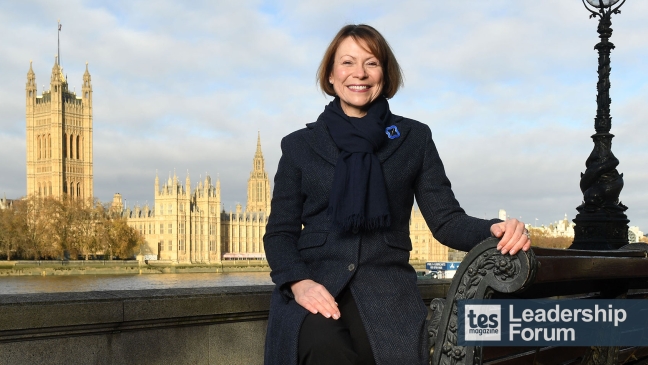
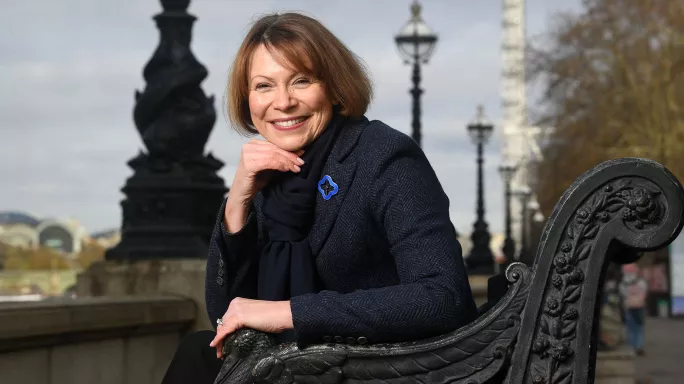
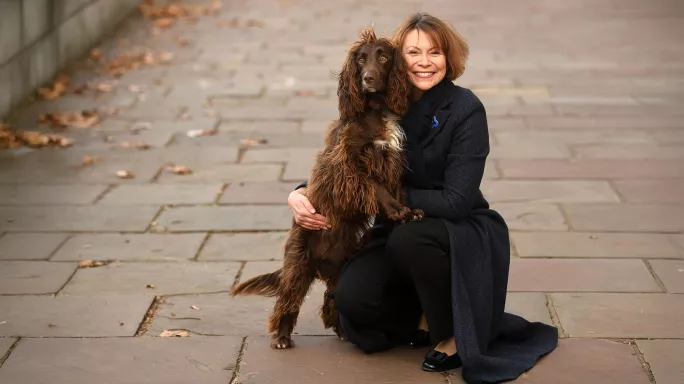
Julie Robinson is the chief executive officer of the Independent Schools Council. She is a former headteacher and teacher. She writes:
When you are an only child, you feel a responsibility to be happy and successful for your parents. They’ve only got one shot, and it’s you. So I have always been this smiley, optimistic, positive person, and I have always worked extremely hard and been ambitious. But it’s difficult to know whether that is just me, or it became who I was because of how I grew up. Either way, it is what I truly believe is important: we have a responsibility to be positive, particularly as leaders.

I became a headteacher at 31. When I went to my first local heads meeting, I was told that the wives were next door in the library. It was appalling, but I also knew it wasn’t really their fault. They had not really encountered someone like me in that role. I wanted to show them, constructively, that their assumption was offensive and inappropriate, but also build a relationship, as I would be working with these people for the long term. So I smiled and just said: “Oh, now that’s a problem, because I am a wife, but I’m also the new head of the school down the road.” And I had no further issues of that type with that group.
You can get as much sexism from other women as from men. In my interview for my second headship, a woman on the panel asked me how I thought I could be both a mother and a headmistress. The men in the room were deeply shocked; they were upset by it. I had a choice in that moment. Again, I chose education. My reply was simply that I was already a headteacher and a mother, and it seemed to be going very well, thank you very much...
I never wanted to do public speaking, and that was one of the reasons I was nervous about applying for a headship. I really wasn’t confident. But this headmaster, who encouraged me to apply for the first headship, said: “Well, I don’t understand why you’re even worried about public speaking. Once you’ve written it, it’s just reading.” I thought, “Oh, yeah, what’s the big deal?” And actually, if I’ve done my prep, I now feel confident delivering it because I’ve put the work into it. It becomes a point of pride for me.
My parents’ values were that you have to earn everything in this world. I have taken that on. You can’t just expect people to treat you a particular way just because you’ve got a badge or a name.
I know my weaknesses, so I make sure the people on my management team fill those gaps. Don’t appoint people who are the same as you. You’re just in competition for the same stuff. Appoint people who are different and make sure they know how much you need them.
My first marriage broke down. I remember this assessment we had on a heads’ training course, and we all thought we were winning because it found we all really cared about work, and that we were getting all our human needs met through work. But the trainer, this older guy, said: “So what are you getting from home?” And it was this hair-prick-up-on-the-back-of-your-neck moment of realisation: if you get everything you’re excited about out of your work, what are you getting from home? What happens then to your spouse? What’s left for them?
I get frustrated, and I get tired, as anybody does, but I still thought when I was a head that I was incredibly lucky to do what I do. And in this job, I think the same. That gets you through those really tough times: joy and gratitude.
I’m very often at events with people who hugely disapprove of private education on a fundamental level. These people aren’t going to just suddenly change their minds because I tell them facts or numbers about how diverse our sector is and how much good it does. Really, all I can do is just be there and keep my nerve, and not rise to the anger I face by mirroring it. When you are angry, no one is really listening to you. I learned that very quickly in schools.
I don’t like conflict, which means I work really hard to deliver a difficult message. I stress about it, and I try to get it right, and I try to be as firm as I need to be, but no more. I need to come out of that situation believing I’m doing the right thing as well and as empathetically as possible.
I once went on a residential leadership course, and at the end of it, we all had to give feedback about each other. And this guy I’d only met on this course, he started his feedback on me, he said: “Oh, Julie, lives in this unrealistic world where everything’s nice and happy, and everyone’s nice to each other…” And I was thinking: this is really patronising! But then he went on to say, “…and I think that’s great, and I’d like to live there.” There are other ways of leading; we are just not exposed to them as much as we should be.
In all the research I have read, the most important thing cited to engage employees is that their line manager seems to care about them as a person. It’s important not to forget that, I think, because it is so easy to get caught up in systems, processes and everything else.
I think there is value in leading something for a long time. I think experience matters. It can help you find a path through a changing world because you have the experience behind you to help guide you. And if you’re still excited for the challenge, if you still get that sense of anticipation on a Monday morning - you’re slightly on edge - then keep going, you still believe in your ability to do the job.
Every Sunday, I try to work out not just what I’m doing in the next week, but importantly, why I’m doing it. I’m not here just keeping busy. Your time is your best resource. Don’t waste it.
You often hear about leadership being a lonely job. I can’t really relate to that. I’ve never found it lonely. I like to know all my team. I like to know who they are. And it is so amazing to have this whole community at work, who you are actively involved in shaping and supporting. What a privilege.
My dad is a principled man. He was a wonderful father. He now has dementia and is very limited in what he remembers. After I got my first headship, my mum told me that my dad was proud of me. And that meant so much to me then; it was one of the best moments of my life. But it really does mean even more to me now.
You can now get the UK’s most-trusted source of education news in a mobile app. Get Tes magazine on iOS and on Android