Graphic Design, shading and rendering, isometric and  perspective drawings (Graphics, Drawing)Quick View
st3v0xd

Graphic Design, shading and rendering, isometric and perspective drawings (Graphics, Drawing)

(0)
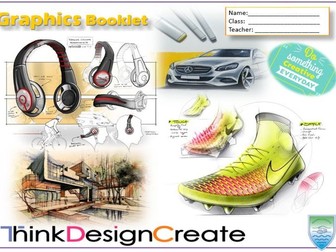
This booklet was compiled for pupils studying technology and design suited for 12+. It is laid out in such a way that is engaging and has a steady progression from the basics of shading and rendering through to final presentation drawings. Included in the booklet: Shading + Rendering Orthographic Views Isometric drawings One and Two point perspective drawings Focus views and Exploded views A range of Design Tasks
GCSE CCEA- electronics theory bookletQuick View
st3v0xd

GCSE CCEA- electronics theory booklet

(0)
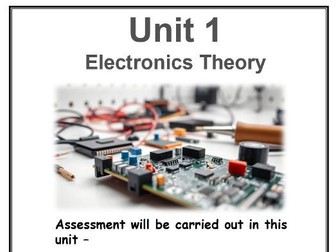
This GCSE CCEA Technology and Design – Unit 1 Electronics Theory Booklet covers all aspects of basic electronics as outlined in the CCEA specification. It is designed to support students studying for Unit 1, with clear notes, diagrams, explanations, and key theory needed for exam success. The booklet includes coverage of core topics such as electronic components, circuit symbols, input/process/output systems, voltage, current and resistance, circuit calculations, and basic electronic systems. It is ideal for revision, independent study, homework support, or classroom use. Perfect for GCSE Technology and Design students preparing for assessments and exams, this resource helps reinforce understanding of fundamental electronic principles in a clear and structured format. *INCLUDES past paper questions throughout *
GCSE CCEA - Mechanisms Theory BookletQuick View
st3v0xd

GCSE CCEA - Mechanisms Theory Booklet

(0)
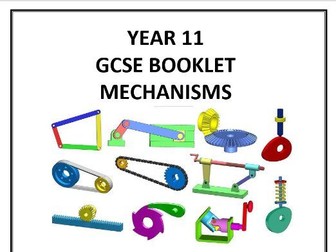
This GCSE CCEA Technology and Design – Unit 1 Mechanisms Theory Booklet covers all aspects of mechanisms as outlined in the CCEA specification. It is designed to support students studying for Unit 1, with clear notes, diagrams, worked examples, and key theory required for exam success. The booklet includes coverage of core topics such as levers and linkages, gears and gear trains, pulleys, cams, motion types and direction, mechanical advantage, velocity ratio, and practical applications of mechanisms in real-world products. It is ideal for revision, independent study, homework support, or classroom use. Perfect for GCSE Technology and Design students preparing for assessments and exams, this resource helps reinforce understanding of mechanical principles in a clear, structured, and exam-focused format. INCLUDES past paper questions throughout
GCSE CCEA - Pneumatics Theory BookletQuick View
st3v0xd

GCSE CCEA - Pneumatics Theory Booklet

(0)
This GCSE CCEA Technology and Design – Unit 1 Pneumatics Theory Booklet covers all aspects of pneumatics as outlined in the CCEA specification. It is designed to support students studying for Unit 1, with clear notes, diagrams, explanations, and key theory required for exam success. The booklet includes coverage of core topics such as pneumatic systems and symbols, components (compressors, valves, actuators, reservoirs), sequence control, flow control, and practical applications of pneumatic systems in real-world products. It is ideal for revision, independent study, homework support, or classroom use. Perfect for GCSE Technology and Design students preparing for assessments and exams, this resource helps reinforce understanding of pneumatic principles in a clear, structured, and exam-focused format.
GCSE CCEA - Materials, Tool and Processes Theory BookletQuick View
st3v0xd

GCSE CCEA - Materials, Tool and Processes Theory Booklet

(0)
This GCSE CCEA Technology and Design – Unit 1 Materials, Tools and Processes Theory Booklet covers all aspects of materials, associated tools, and manufacturing processes as outlined in the CCEA specification. It is designed to support students studying for Unit 1, with clear notes, diagrams, explanations, and key theory required for exam success. The booklet includes coverage of material classification (woods, metals, polymers, composites), material properties and selection, hand tools and workshop equipment, marking out and measuring, forming and shaping processes, joining methods, finishing techniques, and health and safety considerations. It is ideal for revision, independent study, homework support, or classroom use. Perfect for GCSE Technology and Design students preparing for assessments and exams, this resource helps reinforce understanding of materials, practical processes, and correct tool use in a clear, structured, and exam-focused format.