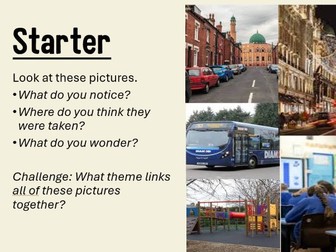
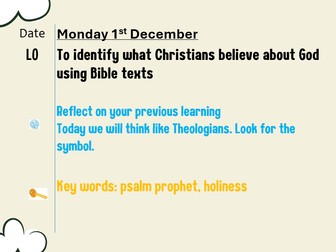
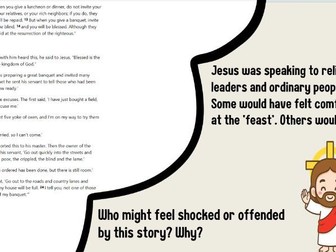
Full unit of work including 8 lessons (powerpoints and resources).
Each lesson taught through one of the disciplinary lenses
Theologian
Philosopher
Human and Social Scientist
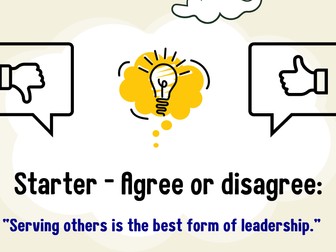
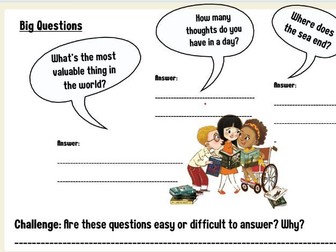
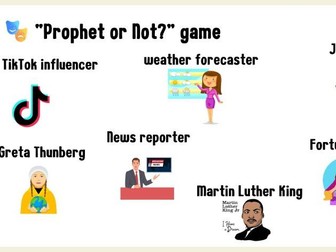
Includes images, worksheets, disucssion prompts, plenaries and starters
5 lesson full unit of work including powerpoints and resources.
Each lesson is taught through one of the three disciplinary lenses:
Theologian
Philosopher
Human and Social Scientist
Follows the agreed syllabus. Great for inspection.
Full unit of work with 7 lessons (7 complete powerpoints)
Includes plenary, disucssion, marking slides etc.
Each lesson is taught through one of the three RE disciplinary lenses
10 lessons - full unit of work.
PowerPoints and resources included.
Each lesson is taught through one of the three disciplinary lenses:
Theologian
Human and Social Scientist
Philosopher
Really engaging lessons suitable for years 5 - 8
8 lessons - full unit of work with powerpoints and resources
Each lesson taught through one of the three disciplinary lenses (theologian, human and social scientist or philosopher)
Retrieval starters and plenaries included.
Full unit of work including powerpoints and resources.
Religious Education “How does faith help when life gets hard?”
7 lessons each taught through one of the 3 disciplinary lenses:
theologian
philosopher
human and social scientist
7 powerpoints
Should Christians be “greener” than everyone else? (U3.2 – Creation) – Full RE Unit of Work
6 lessons
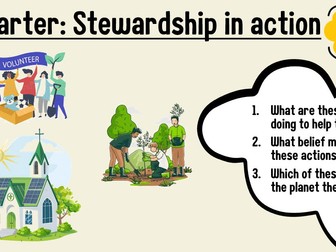
This complete unit of work explores the enquiry question “Should Christians be ‘greener’ than everyone else?” from the Understanding Christianity (U3.2 – Creation) unit. Pupils investigate Christian beliefs about creation, stewardship and responsibility for the Earth, and consider how these beliefs might influence attitudes towards the environment.
Through engaging lessons and structured enquiry, pupils explore biblical teachings about caring for creation and evaluate whether Christian beliefs should lead believers to take a stronger role in protecting the planet.
Each lesson is taught through one of the three disciplinary lenses used in Religious Education:
Theologian – exploring biblical texts about creation and stewardship
Human and Social Scientist – examining how Christians today respond to environmental issues and climate change
Philosopher – considering ethical questions about responsibility, sustainability and humanity’s relationship with nature
This structure encourages pupils to develop critical thinking, evaluate different perspectives and reflect on real-world environmental issues.
What’s included:
Fully resourced PowerPoint lessons
Accompanying worksheets and activities
Clear learning objectives and key vocabulary
Engaging videos and discussion prompts
Creative tasks to deepen understanding
Retrieval activities to support knowledge retention
Self-assessment and peer-assessment slides
Opportunities for discussion, debate and reflective thinking
Across the unit, pupils will explore:
What the Bible teaches about creation and stewardship
Why caring for the Earth may be seen as a religious responsibility
Examples of Christian environmental organisations and initiatives
Whether Christians should have a greater duty than others to protect the planet
6 Lesson unit on the RE topic Why do Hindus aim to be Good?
Powerpoints and worksheets all included.
Each lesson taught through one of the disciplinary lenses:
theologian
human and social scientist
philosopher
7 RE lessons covering the Religious Education topic “What matter most to Humanists and Christians”
Powerpoints and resources included
All lessons are taught through one of the 3 disciplinary lenses:
theologian
human and social scientist
philosopher
Full unit of work on the Religious Education topic: “Why is the Torah so important to Jewish people?”
Includes 6 powerpoints and resources. (6 lessons)
Each lesson is taught through one of the disciplinary lenses:
theologian
human and social scientist
philosopher
Should Christians be “greener” than everyone else? (U3.2 – Creation) – Full RE Unit of Work
9 lessons
This complete unit of work explores the enquiry question “Should Christians be ‘greener’ than everyone else?” from the Understanding Christianity (U3.2 – Creation) unit. Pupils investigate Christian beliefs about creation, stewardship and responsibility for the Earth, and consider how these beliefs might influence attitudes towards the environment.
Through engaging lessons and structured enquiry, pupils explore biblical teachings about caring for creation and evaluate whether Christian beliefs should lead believers to take a stronger role in protecting the planet.
Each lesson is taught through one of the three disciplinary lenses used in Religious Education:
Theologian – exploring biblical texts about creation and stewardship
Human and Social Scientist – examining how Christians today respond to environmental issues and climate change
Philosopher – considering ethical questions about responsibility, sustainability and humanity’s relationship with nature
This structure encourages pupils to develop critical thinking, evaluate different perspectives and reflect on real-world environmental issues.
What’s included:
Fully resourced PowerPoint lessons
Accompanying worksheets and activities
Clear learning objectives and key vocabulary
Engaging videos and discussion prompts
Creative tasks to deepen understanding
Retrieval activities to support knowledge retention
Self-assessment and peer-assessment slides
Opportunities for discussion, debate and reflective thinking
Across the unit, pupils will explore:
What the Bible teaches about creation and stewardship
Why caring for the Earth may be seen as a religious responsibility
Examples of Christian environmental organisations and initiatives
Whether Christians should have a greater duty than others to protect the planet
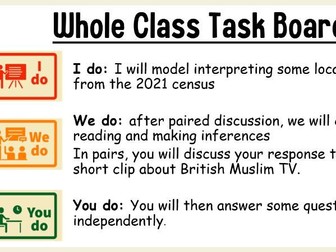
What does it mean to be a Muslim in Britain today? (U2.8) – Full RE Unit of Work
This complete unit of work explores the key enquiry question “What does it mean to be a Muslim in Britain today?” from the Understanding Christianity-style enquiry approach (U2.8 – Islam). The unit helps pupils understand Muslim beliefs, practices and identity in contemporary British society through engaging lessons, structured enquiry and critical thinking.
Each lesson is taught through one of the three disciplinary lenses used in Religious Education:
Theologian – exploring Islamic beliefs, teachings and sacred texts
Human and Social Scientist – examining how Muslims live out their faith in Britain today
Philosopher – considering questions about identity, belonging, diversity and values
What’s included:
Fully resourced PowerPoint lessons
Accompanying worksheets and activities
Clear learning objectives and key vocabulary
Engaging videos and discussion prompts
Creative tasks to deepen understanding
Retrieval activities to support knowledge retention
Self-assessment and peer-assessment slides
Opportunities for discussion, reflection and critical thinking
Across the unit, pupils will explore:
The Five Pillars of Islam and their importance in Muslim life
What it means to belong to the Muslim community (Ummah)
How Muslims practise their faith within modern Britain
The diversity of Muslim experiences and identities
How beliefs influence daily life, values and choices
Ideal for Upper KS2 and designed as a ready-to-teach RE unit that combines knowledge, enquiry and disciplinary thinking.
What does it mean if God is holy and loving? (U2.1) – Full RE Unit of Work
This complete unit of work explores the key theological question “What does it mean if God is holy and loving?” from the Understanding Christianity (U2.1 – GOD) unit. Designed to support high-quality Religious Education teaching, this resource includes fully planned lessons with PowerPoints and worksheets to guide pupils through the concept of God’s nature using engaging activities and structured enquiry.
Each lesson is taught through one of the three disciplinary lenses used in RE:
Theologian – exploring Christian beliefs and biblical sources
**Human and Social Scientist **– examining how beliefs influence people and communities
Philosopher – considering deeper questions and ethical implications
What’s included:
Full PowerPoint presentations for every lesson
Accompanying worksheets and activities
Clear learning objectives and key vocabulary
Engaging videos and discussion prompts
Creative tasks to deepen understanding
Retrieval opportunities to support knowledge retention
Self-assessment and peer-assessment slides
Opportunities for reflection, debate and extended thinking
The lessons are designed to:
Build pupils’ understanding of Christian beliefs about God’s holiness and love
Explore how these beliefs influence Christian living and moral choices
Encourage pupils to evaluate and reflect on the big theological question
This resource is ideal for teachers looking for a ready-to-teach, engaging and academically structured RE unit that develops both knowledge and disciplinary thinking in Religious Education.
Perfect for Upper KS2 and fully aligned with the Understanding Christianity framework.
What can be done to reduce racism? Can religion help? (U2.13 – Thematic) – Full RE Unit of Work
6 full lessons with resources
This complete thematic unit of work explores the enquiry question “What can be done to reduce racism? Can religion help?” (U2.13). The unit encourages pupils to investigate racism, equality and justice, while examining how religious beliefs and teachings can influence attitudes and actions towards others.
Through engaging lessons and structured enquiry, pupils explore different religious and non-religious perspectives on equality, respect and human dignity, and consider how individuals and communities can work to challenge racism in society.
Each lesson is taught through one of the three disciplinary lenses used in Religious Education:
Theologian – exploring religious teachings about equality, justice and the value of every human being
Human and Social Scientist – examining how religious communities respond to racism and promote inclusion
Philosopher – considering ethical questions about fairness, discrimination and responsibility
This approach helps pupils develop critical thinking, empathy and a deeper understanding of how beliefs can shape actions in the real world.
What’s included:
Fully resourced PowerPoint lessons
Accompanying worksheets and activities
Clear learning objectives and key vocabulary
Engaging videos and discussion prompts
Creative tasks to deepen understanding
Retrieval activities to support knowledge retention
Self-assessment and peer-assessment slides
Opportunities for debate, reflection and thoughtful discussion
Across the unit, pupils will explore:
What racism and discrimination are and why they are harmful
Religious teachings about equality, justice and treating others with respect
Examples of how faith communities challenge racism and promote unity
The role of individual responsibility and collective action in creating a more just society
Creation and Science: Conflicting or Complementary? (U2.2 – Creation) – Full RE Unit of Work
6 lessons
This complete unit of work explores the key enquiry question “Creation and Science: Conflicting or complementary?” from the Understanding Christianity (U2.2 – Creation) unit. Pupils investigate the Christian creation story in Genesis and consider how it relates to scientific explanations for the origins of the universe and life.
Through engaging lessons and structured enquiry, pupils explore different viewpoints about whether science and religion must conflict or whether they can work alongside each other to answer different types of questions.
Each lesson is taught through one of the three disciplinary lenses used in Religious Education:
Theologian – exploring the Genesis creation accounts and Christian interpretations
Human and Social Scientist – examining how Christians today understand creation alongside scientific ideas
Philosopher – considering deeper questions about truth, meaning, purpose and the origins of the universe
This structure helps pupils develop religious literacy, critical thinking and the ability to evaluate different perspectives.
What’s included:
Fully resourced PowerPoint lessons
Accompanying worksheets and activities
Clear learning objectives and key vocabulary
Engaging videos and discussion prompts
Creative tasks to deepen understanding
Retrieval activities to support knowledge retention
Self-assessment and peer-assessment slides
Opportunities for discussion, debate and reflective thinking
Across the unit, pupils will explore:
The Genesis creation story and what Christians believe it teaches about God as Creator
Scientific explanations for the origins of the universe, including the Big Bang and evolution
Different Christian perspectives on how science and faith relate to one another
Whether science and religion answer different types of questions about the world
What do Christians believe Jesus did to save people? (U2.5 – Salvation) – Full RE Unit of Work
This complete unit of work explores the key enquiry question “What do Christians believe Jesus did to save people?” from the Understanding Christianity (U2.5 – Salvation) unit. Through engaging lessons and structured enquiry, pupils investigate the Christian belief that Jesus’ death and resurrection bring salvation, particularly through the events of Holy Week and Easter.
Each lesson is taught through one of the three disciplinary lenses used in Religious Education:
Theologian – exploring biblical texts and Christian teachings about salvation
Human and Social Scientist – examining how Christian beliefs about salvation influence believers and church communities
Philosopher – considering deeper questions about forgiveness, sacrifice, justice and redemption
This approach encourages pupils to develop religious literacy, analyse beliefs and reflect on big theological questions.
What’s included:
4 Fully resourced PowerPoint lessons**
Accompanying worksheets and activities
Clear learning objectives and key vocabulary
Engaging videos and discussion prompts
Creative tasks to deepen understanding
Retrieval activities to support knowledge retention
Self-assessment and peer-assessment slides
Opportunities for discussion, reflection and extended thinking


 Quick View