Discovering Scotland’s PMFs Online (60 Minutes)Quick View
Bluemarinefoundation

Discovering Scotland’s PMFs Online (60 Minutes)

(0)
Duration: 60 minutes Level: Second Level (P6–P7) / Third Level (S1–S3) Curricular Areas: Sciences; Social Studies (People, Place and Environment) Overview: This engaging digital lesson introduces learners to Scotland’s remarkable marine biodiversity through the Scotland Ocean Observatory. Working collaboratively, pupils investigate Priority Marine Features (PMFs), exploring where they are found, why they matter, and the threats they face. Through scientific classification, online discovery activities, group discussion, and rapid reporting, learners build understanding of marine ecosystems while developing communication and enquiry skills. Learning Intentions: Learners will: Identify and classify Scotland’s Priority Marine Features (PMFs). Understand marine biodiversity by exploring habitats and species roles. Suggest reasons why PMFs are found in particular locations. Explain the threats facing marine habitats and why protection is important. Communicate scientific information clearly through group feedback. Success Criteria: Learners can: Name and describe their allocated PMF. Correctly classify the PMF as a species or habitat. Explain where the PMF lives and why it is found there. Identify key threats and describe its ecological importance. Share information clearly and accurately with peers. Curriculum for Excellence Links: Sciences SCN 2-01a / SCN 3-01a – Biodiversity and classification SCN 2-02a / SCN 3-01b – Habitats, ecosystems, and environmental threats Social Studies SOC 2-07a – People and environment SOC 2-08a / SOC 2-10a – Sustainability and environmental management Learning for Sustainability (LfS): This lesson supports Learning for Sustainability by helping learners explore marine biodiversity, understand human impacts on ecosystems, and recognise the importance of protecting vulnerable habitats and species for the future
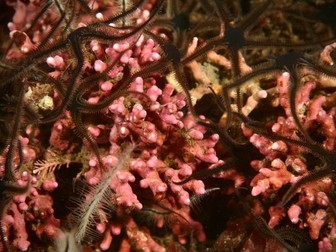
Discovering Scotland’s Priority Marine Features (90mins)Quick View
Bluemarinefoundation

Discovering Scotland’s Priority Marine Features (90mins)

(0)
Duration: 90 minutes Level: Second Level (P6–P7) / Early Third Level (S1–S3) Overview: This interactive digital lesson introduces learners to Scotland’s incredible marine biodiversity through the Scotland Ocean Observatory. Pupils investigate Priority Marine Features (PMFs), exploring their habitats, ecological importance, and the threats they face. Through collaborative research, scientific classification, poster or presentation creation, and group discussion, learners develop scientific understanding and communication skills while discovering why Scotland’s seas need protection. Important Note: Learning Intentions: Learners will: Identify and classify Scotland’s Priority Marine Features (PMFs). Understand marine biodiversity by exploring habitats and species roles. Suggest reasons why PMFs are found in particular locations. Explain the threats facing marine habitats and why protection matters. Communicate scientific information clearly through collaborative presentations. Success Criteria: Learners can: Name and describe their allocated PMF. Correctly classify the PMF as a species or habitat. Explain where the PMF is found and why it lives there. Identify key threats and describe its role in the ecosystem. Present scientific information clearly and accurately. Curriculum for Excellence Links: Sciences SCN 2-01a / SCN 3-01a – Biodiversity and classification SCN 2-02a / SCN 3-01b – Habitats, ecosystems, and environmental threats Social Studies SOC 2-07a – People and environment SOC 2-08a / SOC 3-10a – Sustainability and environmental management
Stakeholder Role-Play Debate: Should Scotland’s MPAs Be Stronger?Quick View
Bluemarinefoundation

Stakeholder Role-Play Debate: Should Scotland’s MPAs Be Stronger?

(0)
**Duration: **60 minutes Level: Second Level (P5–P7) and Third Level (S1–S3) Overview: This engaging role-play lesson immerses learners in the complex world of marine decision-making by exploring different perspectives on Scotland’s Marine Protected Areas (MPAs). Pupils take on the roles of stakeholders including fishers, conservation groups, tourism operators, local communities, and government voices to debate whether Scotland’s MPAs should have stronger protections. Through structured discussion, evidence-based argument, negotiation, and democratic voting, learners develop critical thinking, communication, and citizenship skills while exploring real environmental and economic trade-offs. Learning Intentions: Learners will: Understand how different stakeholders interact with and depend on the marine environment. Analyse conflicting interests surrounding marine protection. Build arguments for or against stronger MPAs from a stakeholder perspective. Participate in a structured debate using evidence and persuasive communication. Explore how public consultations balance environmental, social, and economic priorities. Success Criteria: Learners can: Summarise their stakeholder’s priorities, concerns, and pressures. Construct informed arguments for or against stronger MPAs. Engage respectfully in debate using evidence to support viewpoints. Identify possible compromises between competing interests. Reflect on the complexity of marine management and policymaking. Curriculum for Excellence Links: Sciences SCN 02-02a / SCN 3-01b – Habitats, threats, and environmental evidence Social Studies & Geography SOC 2-10a / SOC 3-10a – Human impact and resource management SOC 2-08a / SOC 3-08a – Environmental sustainability and management strategies SOC 2-15a / SOC 3-15a – Group discussion and decision-making SOC 3-16a – Understanding and evaluating different viewpoints Literacy LIT 2-09a / LIT 3-09a – Discussion, debate, and persuasive communication For more associated resources head to: https://ocean-observatory.bluemarinefoundation.com/scotland/
Scotland’s MPAs: With Ocean ObservatoryQuick View
Bluemarinefoundation

Scotland’s MPAs: With Ocean Observatory

(0)
**Duration: **60 minutes Level: Second Level (P5–P7) and Third Level (S1–S3) Overview: This interactive lesson combines digital exploration, discussion, and creative citizenship to help learners investigate Scotland’s Marine Protected Areas (MPAs). Using the Scotland Ocean Observatory, pupils discover real Scottish marine species and habitats, explore threats such as bottom trawling, and consider whether MPAs are always fully protected in practice. Through guided inquiry, video clips, creative tasks, and postcard writing, learners develop environmental understanding while using their voices to advocate for Scotland’s seas. Learning Intentions: Learners will: Understand what a Marine Protected Area (MPA) is. Explore real Scottish marine life using an online observatory. Question whether damaging fishing should happen in MPAs. Use creativity and informed opinions to stand up for Scotland’s seas. Success Criteria: Learners can: Describe what an MPA is. Name a Scottish marine species or habitat they have discovered. Explain why some MPAs may need stronger protection. Share their opinions through writing and art. Curriculum for Excellence Links: Sciences SCN 2-02a / SCN 3-02a – Interdependence and ecosystems SCN 2-08a / SCN 3-08a – Climate and Earth systems Social Studies SOC 2-07a / SOC 3-07a – People, place and environment SOC 2-08a / SOC 3-08a – Sustainability SOC 2-17a / SOC 3-17a – Citizenship and decision-making Learning for Sustainability (LfS): This lesson supports Learning for Sustainability through: Exploration of marine ecosystems and biodiversity Discussion of sustainable fishing and environmental responsibility Understanding community action and democratic participation Considering the balance between conservation and livelihoods
Scotland's Biodiversity Hospital- Priority Marine FeaturesQuick View
Bluemarinefoundation

Scotland's Biodiversity Hospital- Priority Marine Features

(0)
Investigate species and habitats in Scotland that are under threat, diagnose what is harming them, and explore ways we can protect them to safeguard Scotland’s biodiversity. Lesson Title: Marine Biodiversity Hospital Duration: 60 minutes Overview: Dive into a fast-paced, roleplay-based lesson where learners become marine doctors and Priority Marine Features (PMFs) are the “patients.” Students diagnose threats to these species and habitats, then prescribe realistic conservation treatments. Through interactive hospital rounds, group collaboration, and structured patient files, learners develop scientific understanding, geographical thinking, and communication skills while exploring Scottish marine conservation. Learning Intentions: Learners will: Classify PMFs and identify their habitats. Understand threats and distribution patterns. Propose realistic conservation strategies. Communicate findings verbally through “hospital rounds.” Connect PMFs to Scottish Marine Protected Areas (MPAs) and current consultations. Apply geographical thinking to human–environment interactions. Success Criteria: Learners can: Describe their PMF and its habitat. Identify key threats from fact sheets. Recommend suitable conservation treatments. Verbally summarise information during hospital rounds.** Curriculum Links: SCN 02-01a / SCN 3-01a: Classify living things and habitats SCN 02-02a / SCN 3-01b: Understand human impact and threats SOC 2-10a / SOC 3-10a: Apply geographical thinking to human–environment interactions SOC 2-08a: Evaluate societal choices For additional resources see: https://ocean-observatory.bluemarinefoundation.com/scotland/
Scotland’s Marine Protected Areas (Offline version )Quick View
Bluemarinefoundation

Scotland’s Marine Protected Areas (Offline version )

(0)
Duration: 60 minutes Level: Second Level (P5–P7) and Third Level (S1–S3) Overview: This engaging and thought-provoking lesson introduces learners to Scotland’s Marine Protected Areas (MPAs), exploring what they are, why they matter, and whether they are always truly protected. Through discussion, video clips, demonstrations, creative tasks, and debate, pupils investigate the impact of damaging fishing practices such as bottom trawling and consider how marine conservation can balance environmental protection with human livelihoods. The lesson culminates in learners designing their own MPAs and using persuasive writing and art to express their views about protecting Scotland’s seas. Learning Intentions: Learners will: Understand what a Marine Protected Area (MPA) is. Question whether damaging fishing practices should occur within MPAs. Explore Scottish marine species and habitats. Use creativity and informed opinions to advocate for Scotland’s seas. Success Criteria: Learners can: Describe what an MPA is. Name a Scottish marine species or habitat they have learned about. Explain why some MPAs may need stronger protections. Share their opinions through writing and artwork. ** Curriculum for Excellence Links:** Sciences SCN 2-02a / SCN 3-02a – Interdependence and ecosystems SCN 2-01a / SCN 3-01a – Biodiversity Social Studies SOC 2-07a / SOC 3-07a – People, place and environment SOC 2-08a / SOC 3-08a – Sustainability SOC 2-17a / SOC 3-17a – Citizenship and decision-making Literacy LIT 2-29a / LIT 3-29a – Persuasive writing and informed opinions Learning for Sustainability (LfS): This lesson supports Learning for Sustainability through exploration of: Marine ecosystems and biodiversity Sustainable resource use and fishing Social responsibility and environmental decision-making Civic participation and democratic engagement for more associated resources got to: https://ocean-observatory.bluemarinefoundation.com/scotland/