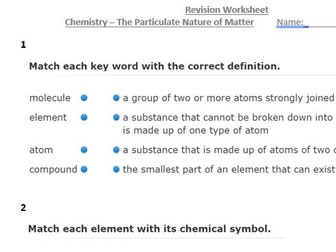
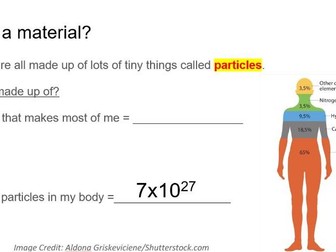
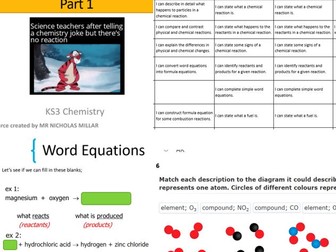
This is a presentation (powerpoint) aimed at introducing The Particulate Nature of Matter and Pure and Impure Substances to students in years 7-9. This resource is based on the England KS3 (Key Stage Three) Science framework but can also be used in other systems and internationally.
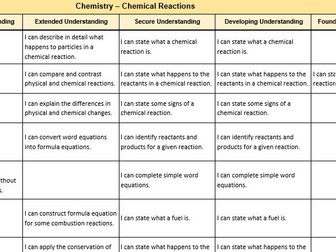
This is a checklist aimed at Chemical Reactions to students in years 7-9. This resource is based on the England KS3 (Key Stage Three) Science framework but can also be used in other systems and internationally.
This is a glossary based on the KS3 (Key Stage Three) syllabus for Science in England. It outlines the key words and definitions for Chemical Reactions
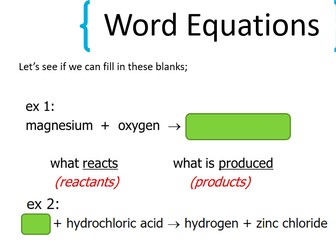
This is a presentation (powerpoint) aimed at introducing Chemical Reactions to students in years 7-9. This resource is based on the England KS3 (Key Stage Three) Science framework but can also be used in other systems and internationally.
This is a bundle aimed at introducing chemical reactions to students in years 7-9.
This resource is based on the England KS3 (Key Stage Three) Science framework but can also be used in other systems and internationally.
This buncle includes;
1 presentation divided into three separate lessons with classroom activities.
1 checklist
1 glossary
1 worksheet
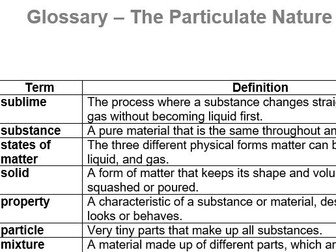
This is a glossary based on the KS3 (Key Stage Three) syllabus for Science in England. It outlines the key words and definitions for The Particulate Nature of Matter, Pure and Impure Substances
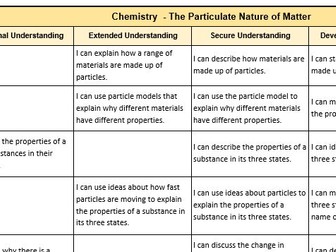
This is a checklist aimed at The Particulate Nature of Matter, Impure and Pure Substances to students in years 7-9. This resource is based on the England KS3 (Key Stage Three) Science framework but can also be used in other systems and internationally.
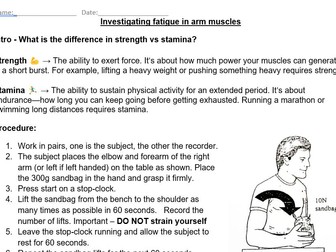
This is a practical aimed at introducing body systems, namely the skeleton and muscular systems to students in years 7-9. This resource is based on the England KS3 (Key Stage Three) Science framework but can also be used in other systems and internationally. The topic of this resource is Structure and Function of Living things. The practical is aimed at developing working scientifically skills.
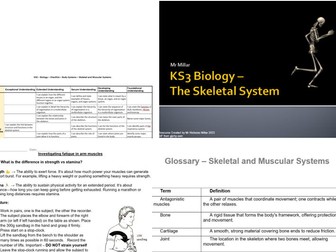
This is a presentation (powerpoint) aimed at introducing body systems, namely the skeleton and muscular systems to students in years 7-9. This resource is based on the England KS3 (Key Stage Three) Science framework but can also be used in other systems and internationally. The topic of this resource is Structure and Function of Living things. The presentation includes information from the KS3 syllabus;
-the structure and functions of the human skeleton, to include support, protection,
movement and making blood cells
biomechanics – the interaction between skeleton and muscles, including the
measurement of force exerted by different muscles
the function of muscles and examples of antagonistic muscles.
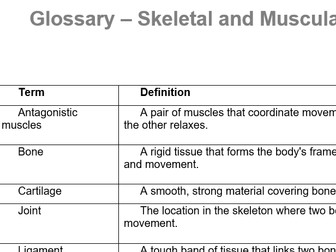
This is a glossary aimed at introducing body systems, namely the skeleton and muscular systems to students in years 7-9. This resource is based on the England KS3 (Key Stage Three) Science framework but can also be used in other systems and internationally. The topic of this resource is Structure and Function of Living things. The presentation includes information from the KS3 syllabus;
-the structure and functions of the human skeleton, to include support, protection,
movement and making blood cells
biomechanics – the interaction between skeleton and muscles, including the
measurement of force exerted by different muscles
the function of muscles and examples of antagonistic muscles.
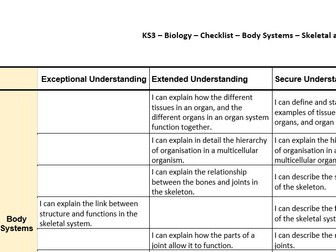
This is a checklist aimed at introducing body systems, namely the skeleton and muscular systems to students in years 7-9. This resource is based on the England KS3 (Key Stage Three) Science framework but can also be used in other systems and internationally. The topic of this resource is Structure and Function of Living things. The Checklist includes information from the KS3 syllabus;
-the structure and functions of the human skeleton, to include support, protection,
movement and making blood cells
biomechanics – the interaction between skeleton and muscles, including the
measurement of force exerted by different muscles
the function of muscles and examples of antagonistic muscles.
This is a bundle aimed at introducing body systems, namely the skeleton and muscular systems to students in years 7-9.
This resource is based on the England KS3 (Key Stage Three) Science framework but can also be used in other systems and internationally. The topic of this resource is Structure and Function of Living things.
This buncle includes;
1 presentation divided into three separate lessons with classroom activities.
1 practical activity
1 glossary
The bundle includes information from the KS3 syllabus;
-the structure and functions of the human skeleton, to include support, protection,
movement and making blood cells
biomechanics – the interaction between skeleton and muscles, including the
measurement of force exerted by different muscles
the function of muscles and examples of antagonistic muscles.
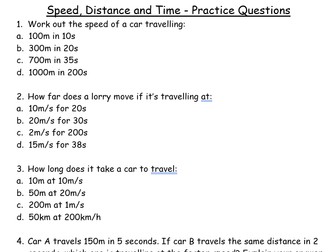
This is a worksheet intended for KS3 science students to practice their understanding of the speed, distance and time formula intended for the Key Stage Three English National Curriculum.
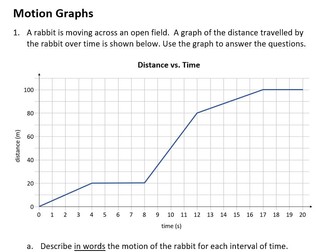
This is a worksheet intended for KS3 science students to practice their drawing, reading and understanding of distance-time graphs intended for the Key Stage Three English National Curriculum.
This is a presentation (powerpoint) aimed at introducing motion and speed to students in years 7-9. This resource is based on the England KS3 (Key Stage Three) Science framework but can also be used in other systems and internationally. The topic of this resource is motion in physics. The presentation includes how to use the speed / velocity formula.
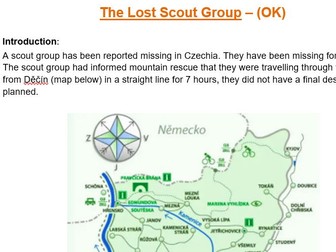
This is a resource aimed at practicing the use of the distance, time and speed formula for KS3 physics. The activity includes students having to figure out using a map how to find a scout group which has gone missing. They will have to estimate their position based on time and speed data provided.
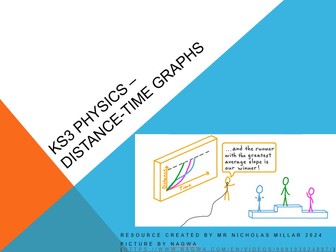
This is a presentation (powerpoint) aimed at introducing distance-time graphs to students in years 7-9. This resources aims to help students step by step to making a distance time graph and also to read and analyse them.
This resource is based on the England KS3 Science framework but can also be used in other systems and internationally. The topic of this resource is motion in physics.
Unit resources for teaching KS3 motion and speed from the National Curriculum in England. Includes;
-Glossary of Key words
-Presentations
-Worksheets (distance-time graphs and more)
-Problem based learning challenges