series of powerpoints and worksheets (as a booklet) aimed at year 10 / 11 on school topics, including oral work, reading, listening transcripts and grammar work all based round topic - sub topics include school subjects, school routine, description of school, opinion of school, how to improve school, description of school trip in past tense, future plans after GCSEs / A levels. Lots of resources are centred round Conti style activities.
powerpoints on main sights and history and diversity of Berlin, reading and listening comprehensions and discussion material and grammar translations based on the Berlin topic, designed initially for AQA A level topic
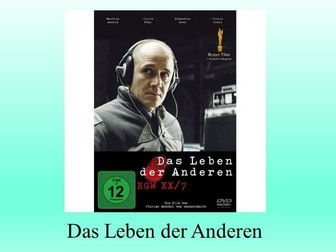
Worksheets to be completed before watching film (based on poster and trailer), worksheets to be completed whilst watching film, stills from film to support discussion of plot, questions to analyse characters and themes, powerpoint and sheet based on camera technique, sheet based on interview with director, gap fill of quotes , sample essay questions
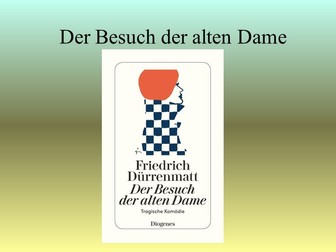
questions on each scene based on Diogenes edition and Routledge edition
quiz based on plot
general questions on Claire, Alfred, Verfremdung, Liebe and Tod, Nebenfiguren, Konsumismus (talking points)
quotes - questions with gaps and answer sheet
vocab - match German and English and then discuss the relevance of that vocab
powerpoints on Verfremdung and Tragicomedy and Dürrenmatt background
put sentences in order - general plot and based round Claire’s story
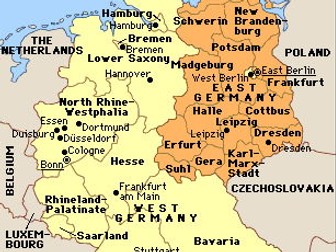
discussion material, quizzes, debates, mind maps, translation material, revision material, material based on you tube clips based round life in East Germany and reunification
powerpoint presentations of weather and seasons, use of inversion with hobbies and seasons, use of wenn with hobbies and weather, worksheets for further reinforcement
powerpoints on physical appearance, personal characteristics and family members, worksheets to reinforce powerpoints, vocab lists, games such as wordsearches, battleships, trapdoor and no snakes or ladders to practice vocab
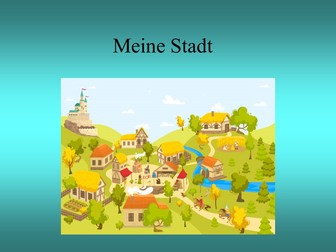
description of town starting with basic description, pros and cons, advantages of town v country, environmental problems, how to improve your town - series of powerpoints and linked worksheets, including wordsearches, ping pong translation, no snakes and ladders, listening and reading resources - suitable for year 10 and 11 students
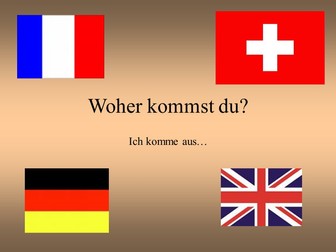
1)powerpoint to introduce countries to beginners (assumes knowledge of saying name and giving age)
2)gap oral activity based on name / age / country
3)ping pong translation which includes saying where you live and where town is located - students in pairs, one partner gets A sheet and the other B, they have to orally translate the sentences which have blanks opposite them (their partner has the answers) - partner gives them a score out of 3 depending how accurate answer is - 3 perfect 2 OK 1 major mistake - student writes record of own score in blanks - winner has most points
4)sentence stealer (includes where you live) - cut these sentences out and put them on board, students write down four on separate pieces of paper and then try and ‘win’ sentences by guessing which ones others have by going round and saying a sentence to another student - that student must give up that piece of paper if one has that statement on it - winner has most sentence (this needs to be time limited)
5) running translation (includes where you live) copy the sentences and cut them up so that you have a pile of sentences for each group (4 students per group recommended) one student from each group comes and gets the sentence, takes it back to group and translates into German, brings back the translation, if correct they get the next sentence in the pile, if not underline what is wrong (optional) and they go back and correct it - winning group gets to end of pile first
powerpoints on holidays preferences, what you like to do on holiday, what you did last year, what you would do if you could
worksheets to support the powerpoints
vocab list based on vocab in powerpoints
powerpoints and worksheets to teach location of house, type of house, description of room, opinion of room, use of accusative and accusative adjective endings and use of dative after certain prepositions - aimed at KS3 but would be basis of teaching this topic at KS4
discussion material, factual description, reading and listening comprehensions and grammatical translation based on family life in Germany, designed for A level AQA family topic
resources for comprehension and discussions of use of internet and mobiles as well as research into German useage - originally made for AQA A level course