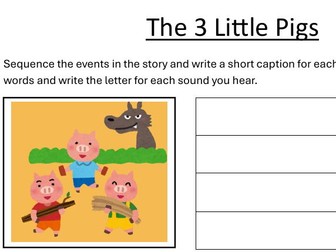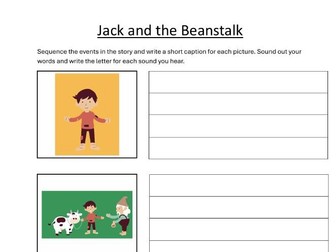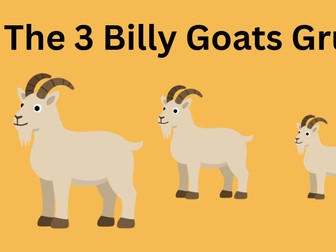
This pack is ideal for key stage one and includes a story powerpoint, various templates, activity sheets and cross curricular plan.Including story sequencing, house design template, story template and other ideas.
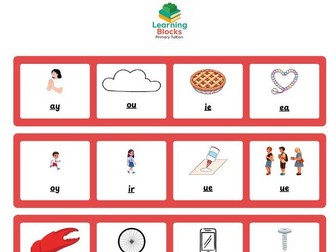
This Phase 3 sound sheet includes the same pictures and graphemes used in the PowerPoint flash cards and daily activity sheet. It is designed to help children quickly recognise new Phase 3 sounds, including digraphs and trigraphs, and link them to familiar images for confident reading and writing.
Children can use this sheet to:
Identify Phase 3 graphemes at a glance
Match pictures to their corresponding sounds
Check digraphs and trigraphs when writing independently
Build fluency when segmenting and blending more complex words
This sheet acts as a visual reference throughout Phase 3, helping children remember the new sounds they have learned and apply them confidently during reading and writing tasks. It supports the transition from simple phonemes to more advanced grapheme–phoneme correspondences.
Build strong early reading foundations with this simple, structured Phase 2 pack. The bundle includes:
• PowerPoint Flash Cards
Introduce each Phase 2 sound with clear visuals and picture prompts that support blending.
• Daily Activity Sheet
A one‑sound‑a‑day routine to help children say the sound, read the word, and write the matching graphemes.
• Sound Sheet
Support confident reading and spelling as children learn new graphemes, alternative spellings, and split digraphs. This Phase 5 pack provides clear, consistent practice across all resources.
• PowerPoint
Short, focused slides that help children recognise Phase 5 graphemes, read words containing the target spelling, and apply blending and segmenting skills.
• Daily Activity Sheet
A simple routine to help children say the sound, read the word, and write the correct Phase 5 spelling pattern — ideal for building fluency with alternative graphemes.
• Sound Sheet
A quick‑reference guide showing all Phase 5 graphemes and pictures, supporting confident recall during reading and writing.
Support your child as they move into more complex phonics with this clear, consistent Phase 3 pack. The bundle includes:
• PowerPoint Flash Cards
All Phase 3 digraphs and trigraphs presented with picture prompts and sound buttons to strengthen blending and sound recognition.
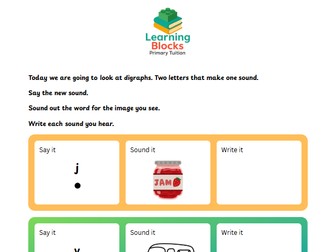
• Daily Activity Sheet
A simple routine to help children say the sound, read the word, and write the correct graphemes — perfect for building confidence with new, more advanced phonemes.
• Sound Sheet
A quick‑reference guide showing every Phase 3 grapheme and picture, helping children recall sounds and check digraphs and trigraphs during reading and writing.
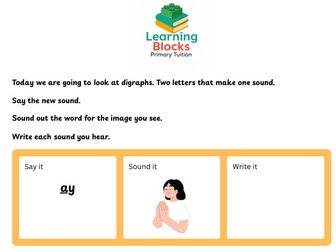
Each day, choose one Phase 3 sound from the PowerPoint flash cards.
For that sound, children will:
Say the sound
Look at the flash card and say the pure phoneme clearly.
Say the word for each picture
Each picture begins with the initial sound. Say the word aloud to build sound–picture connections.
Sound out the word
Use the sound buttons to identify each phoneme.
Blend the sounds together to read the whole word.
Write the word
Segment the word into its sounds and write the matching graphemes.
Focus on neat letter formation and correct spelling.
This daily routine helps children secure their Phase 3 sounds, build blending and segmenting confidence, and develop early reading and writing skills in small, manageable steps.
This Phase 5 sound sheet includes the same pictures and graphemes used in the PowerPoint flash cards and daily activity sheet. It is designed to help children recognise the new Phase 5 sounds, including alternative spellings and split digraphs, and link them to familiar images for confident reading and writing.
Children can use this sheet to:
Identify Phase 5 graphemes at a glance
Match pictures to their corresponding sounds
Check alternative spellings and split digraphs when writing independently
Build fluency when segmenting and blending more complex words
This sheet acts as a visual reference throughout Phase 5, helping children remember the new sounds they have learned and apply them confidently during reading and writing tasks. It supports the transition from earlier phonics phases into more advanced grapheme–phoneme correspondences and spelling patterns.
The resource is provided on two sheets. For longer‑term use, place them back to back and laminate, allowing children to keep them close during phonics sessions, reading practice, and writing activities.
Here is a clear PowerPoint showing all the Phase 5 phonics sounds. Each flash card includes a picture that links to the grapheme shown on the card, helping children connect the sound to a real‑world object. Phase 5 introduces a wider range of graphemes, including alternative spellings and split digraphs, so these visuals support children as the code becomes more complex.
Every phoneme also has a sound button underneath. This shows children exactly where the sound is and supports blending and segmenting as they begin reading longer and more challenging words.
These flash cards help children:
Recognise Phase 5 graphemes
Say each sound clearly
Understand alternative spellings and split digraphs
Build reading fluency through repetition and visual support
Phase 5 introduces the next set of sounds children need to read and spell a wider range of words. These cards provide a clear, engaging way to practise them and build confidence with more advanced grapheme–phoneme correspondences and spelling patterns.
Power point and PDF included
Each day, choose one Phase 5 sound from the PowerPoint flash cards.
For that sound, children will:
Say the sound
Look at the flash card and say the pure phoneme clearly.
Phase 5 includes new graphemes, alternative spellings, and split digraphs, so children should focus on saying each sound accurately.
Say the word for each picture
Each picture links to the target phoneme.
Say the word aloud to strengthen sound–picture connections and build familiarity with new spellings.
Sound out the word
Use the sound buttons to identify each phoneme.
Blend the sounds together to read the whole word — especially helpful when children encounter alternative graphemes for sounds they already know.
Write the word
Segment the word into its sounds and write the matching graphemes.
Encourage neat letter formation and attention to the correct Phase 5 spelling pattern
This PowerPoint is designed to help children practise and secure the new graphemes, alternative spellings, and split digraphs introduced in Phase 5.
Across the slides, children will:
Recognise the sound
Look at the grapheme and say the pure phoneme.
Phase 5 introduces several new ways to spell familiar sounds, so this step helps children build strong grapheme–phoneme links.
Read the words
Each word contains the target Phase 5 grapheme.
Children read the words aloud, noticing how the spelling pattern is used within real vocabulary.
Apply blending skills
Use sound buttons to identify each phoneme, then blend to read the whole word.
This supports confident decoding of unfamiliar words using Phase 5 knowledge.
Practise segmenting and spelling
Children segment the word into its sounds and write the correct graphemes.
This reinforces accurate Phase 5 spelling patterns and strengthens early writing fluency.
Powerpoint and PDF included
Here is a clear PowerPoint showing all the Phase 3 phonics sounds. Each flash card includes a picture that links to the grapheme shown on the card, helping children connect the sound to a real‑world object. Phase 3 introduces a wider range of graphemes, including digraphs and trigraphs, so these visuals support children as the code becomes more complex.
Every phoneme also has a sound button underneath. This shows children exactly where the sound is and supports blending and segmenting as they begin reading longer and more challenging words.
These flash cards help children:
Recognise Phase 3 graphemes
Say each sound clearly
Understand digraphs and trigraphs
Build reading fluency through repetition and visual support
Phase 3 introduces the next set of sounds children need to read and spell a wider range of words. These cards provide a clear, engaging way to practise them and build confidence with more advanced grapheme–phoneme correspondences.
Power point and PDF included.
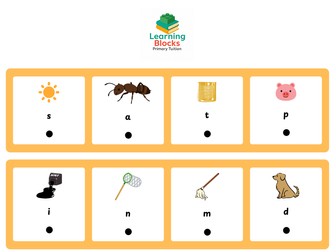
This Phase 2 sound sheet shows the same pictures and phonemes used in the PowerPoint flash cards and daily activity sheet. It is designed to help children quickly recognise each sound and link it to familiar images.
Children can use this sheet to:
Identify Phase 2 phonemes at a glance
Match pictures to their initial sounds
Support writing by checking the correct grapheme
Build confidence when segmenting and blending words
This sheet acts as a visual reference throughout Phase 2, helping children remember the sounds they have learned and apply them independently during reading and writing tasks.
This comes on 2 sheets. Ideally stick back to back and laminate for longer term use.
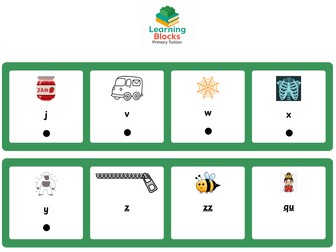
Here is a clear PowerPoint showing all the Phase 2 phonics sounds. Each flash card includes a picture that begins with the initial sound shown on the card, helping children connect the grapheme to a real‑world object.
Every phoneme also has a sound button underneath. This shows children exactly where the sound is and supports early blending and segmenting.
These flash cards help children:
Recognise each grapheme
Say the pure sound confidently
Build early reading skills through repetition and visual support
Phase 2 introduces the first set of sounds children need to begin reading simple words, and these cards provide a clear, engaging way to practise them.
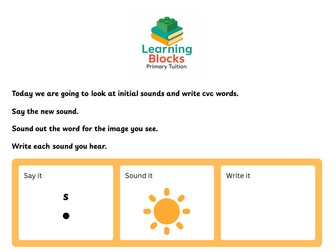
Each day, choose one Phase 2 sound from the PowerPoint flash cards.
For that sound, children will:
Say the sound
Look at the flash card and say the pure phoneme clearly.
Say the word for each picture
Each picture begins with the initial sound. Say the word aloud to build sound–picture connections.
Sound out the word
Use the sound buttons to identify each phoneme.
Blend the sounds together to read the whole word.
Write the word
Segment the word into its sounds and write the matching graphemes.
Focus on neat letter formation and correct spelling.
This daily routine helps children secure their Phase 2 sounds, build blending and segmenting confidence, and develop early reading and writing skills in small, manageable steps.