Y9: KS3 CATHOLIC RED: Galilee to Jerusalem - L2: What is the story of the Rich Young Man?Quick View
mkhan9035

Y9: KS3 CATHOLIC RED: Galilee to Jerusalem - L2: What is the story of the Rich Young Man?

(0)
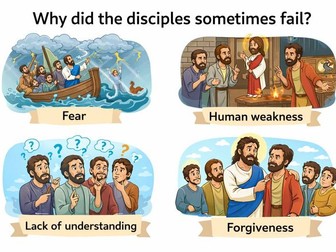
This fully resourced Year 9 lesson on the Rich Young Man (Mark 10:17–22) explores why the Gospel of Mark would have been essential for early Christians, particularly those facing fear, pressure, and persecution. Aligned with the KS3 Religious Education Directory (RED) and carefully sequenced to support progression towards GCSE Religious Studies, the lesson focuses on discipleship, sacrifice, and faithfulness as key themes in Mark’s writing. Pupils study the encounter between Jesus and the Rich Young Man through clear, simplified Scripture, examining why the man struggles to follow Jesus when asked to give up his wealth. The lesson helps pupils understand how this story shows the cost of discipleship, challenging believers to place God above comfort, security, and possessions. Strong links are made to Mark’s historical context, showing how this message would have encouraged early Christians living under Roman persecution to persevere in faith, even when following Jesus was difficult. Pupils explore how Mark presents disciples as imperfect and fearful, yet still called to trust Jesus, making the Gospel both realistic and hopeful for its original audience. Designed for reading ages 8–12, the resource includes visual clipart summaries, one-sentence keyword definitions, common misconceptions for pupils to correct, and differentiated comprehension questions to support accessibility and literacy. Clear links to prior learning help pupils build a coherent understanding of Mark’s Gospel. Scaffolded PEEL paragraphs support pupils in evaluating the key question: “Many people work hard to be wealthy; the expectation to give all this away is unfair? Explain how a Catholic might respond to this statement and give a reason why someone might disagree with them. Which argument do you think is more persuasive?" Engaging, accessible, and GCSE-ready, this lesson provides Catholic RE teachers with a ready-to-teach, doctrinally sound resource that deepens understanding of discipleship, Scripture, and early Christian faith while developing confident evaluative writing.
Y9: KS3 CATHOLIC RED: Galilee to Jerusalem - L1: What does Mark's Gospel teach about discipleship?Quick View
mkhan9035

Y9: KS3 CATHOLIC RED: Galilee to Jerusalem - L1: What does Mark's Gospel teach about discipleship?

(0)
This fully resourced Year 9 lesson on the Gospel of Mark explores what it truly means to be a disciple and why discipleship is a central theme in Mark’s writing. Aligned with the KS3 Religious Education Directory (RED) and carefully sequenced to support progression towards GCSE Religious Studies, the lesson helps pupils understand how following Jesus involves sacrifice, trust, mission, and perseverance—especially in times of difficulty. Pupils explore key moments from Mark’s Gospel, including the calling of the first disciples (Mark 1:16–18) and Jesus sending out the twelve (Mark 6:8), supported by clear, simplified Scripture and pupil-friendly explanations. Through these examples, learners examine how Jesus calls ordinary people, including those on the margins of society, and what this reveals about inclusive discipleship and the cost of following Christ. The lesson also places Mark’s Gospel in its historical context, helping pupils understand why themes of suffering, fear, and faithfulness were so important for early Christians facing Roman persecution. Clear links are made between Mark’s audience and the way disciples are presented as flawed but hopeful, offering encouragement to persevere. Designed for reading ages 8–12, the resource includes visual clipart summaries, structured explanations, and clear links to prior learning to support accessibility for all pupils. Literacy is embedded throughout with one-sentence keyword definitions, common misconceptions for pupils to correct, differentiated comprehension questions, and creative independent tasks. Scaffolded PEEL paragraphs support pupils in evaluating the key question: “Mark’s Gospel would have been essential to early Christians. How far do you agree?” Engaging, accessible, and GCSE-ready, this lesson provides Catholic RE teachers with a ready-to-teach, doctrinally sound resource that deepens understanding of discipleship, Scripture, and early Christian faith while strengthening evaluative writing and theological thinking.
Y9: KS3 CATHOLIC RED: Prophecy and Promise - L9: How do Marian Titles fulfil Mary's Prophecy?Quick View
mkhan9035

Y9: KS3 CATHOLIC RED: Prophecy and Promise - L9: How do Marian Titles fulfil Mary's Prophecy?

(0)
This fully resourced Year 9 lesson on Marian titles explores how the Catholic Church uses special titles for Mary to express her unique relationship with God and her loving role within the Church. Aligned with the KS3 Religious Education Directory (RED) and carefully sequenced to support progression towards GCSE Religious Studies, the lesson helps pupils understand why titles such as Our Lady, Mother of God, Mother of the Church, and New Eve are theologically important, not simply honorary names. Pupils engage with simplified Scripture, including the Magnificat (Luke 1:48) and John 19:26–27, alongside clear, pupil-friendly explanations of Catholic belief about Mary’s obedience to God, her spiritual motherhood, and her ongoing role in the life of the Church. Key ideas are supported through a clear visual clipart summary of Marian titles, making complex theology accessible for learners with a range of reading abilities (8–12). The lesson explicitly addresses common misconceptions—such as the belief that Marian titles place Mary above God—helping pupils develop accurate theological understanding and confidence in evaluating Catholic teaching. Carefully scaffolded activities include one-sentence keyword definitions, literacy-focused misconceptions to correct, differentiated comprehension questions, and structured PEEL paragraphs to support evaluation of the statement: “Mary’s titles reflect her relationship with Catholics more than her relationship with God.” Engaging, visually clear, and literacy-driven, this lesson offers Catholic RE teachers a ready-to-teach, doctrinally sound resource that deepens pupils’ understanding of Marian theology while strengthening evaluative writing and preparing them effectively for GCSE-level analysis.
Y9: KS3 CATHOLIC RED: Prophecy & Promise - L10 (LIVED): Who was St Josephine Bakhita?Quick View
mkhan9035

Y9: KS3 CATHOLIC RED: Prophecy & Promise - L10 (LIVED): Who was St Josephine Bakhita?

(0)
This fully resourced Year 9 lesson on St Josephine Bakhita explores how her life reflects the Magnificat and the recurring themes seen in the lives of holy women studied across the Old Testament and New Testament, including Hannah, Mary, Sarah, Rebecca, and Rachel. Aligned with the KS3 Religious Education Directory (RED) and carefully sequenced to support progression towards GCSE Religious Studies, the lesson helps pupils understand how faith, humility, suffering, forgiveness, and trust in God are lived out in real lives. Pupils engage with a clear, age-appropriate factfile on St Josephine Bakhita, tracing her journey from childhood slavery in Sudan to her life as a religious sister and saint. The lesson includes simplified but powerful primary source material, including Josephine’s own words about forgiveness, helping pupils explore how her experiences echo Mary’s Magnificat and the faith shown by holy women in Scripture. The resource carefully unpacks challenging themes such as suffering, injustice, forgiveness, and human dignity in a sensitive and accessible way (reading ages 8–12). Visual clipart summaries, structured explanations, and clear links to prior learning support pupils of all abilities, while explicitly addressing common misconceptions about sainthood, veneration, and suffering. The lesson includes one-sentence keyword definitions, literacy-focused misconceptions for pupils to correct, differentiated comprehension questions, creative independent tasks, and scaffolded PEEL paragraphs to support extended evaluation of the question: “How far do the life and work of St Josephine Bakhita reflect the Magnificat and the lives of holy women in the Bible?” Engaging, thoughtful, and literacy-driven, this lesson offers Catholic RE teachers a ready-to-teach, doctrinally sound resource that deepens pupils’ understanding of sainthood, discipleship, and social justice while strengthening evaluative writing and preparing pupils confidently for GCSE-level analysis.
Y8: KS3 CATHOLIC RED: Prophecy and Promise - L15 (LIVED): Who was St Oscar Romero?Quick View
mkhan9035

Y8: KS3 CATHOLIC RED: Prophecy and Promise - L15 (LIVED): Who was St Oscar Romero?

(0)
This fully resourced Year 8 lesson introduces pupils to the life, mission, and martyrdom of St Oscar Romero, helping them understand how he lived out Catholic teaching on justice and the preferential option for the poor. Aligned with the KS3 Religious Education Directory (RED) and designed to build secure foundations for future GCSE study, the lesson explores Romero’s vocation, his growth into a prophetic leader, and how his message continues to inspire Catholics today. Pupils engage with clear, accessible explanations of the political crisis in El Salvador, alongside simplified extracts from Romero’s sermons—including his famous call on 23 March 1980 for soldiers to “stop the repression.” Carefully structured notes, timeline visuals, and pupil-friendly summaries of key events support learners in understanding why Romero spoke out, why he was assassinated, and why Pope Francis later canonised him as a saint and martyr. The resource includes one-sentence keyword definitions, common misconceptions for pupils to correct, and differentiated comprehension questions aimed at supporting reading ages 8–12. Scaffolded PEEL paragraphs guide pupils through evaluating the statement, “St Oscar Romero lived the life of a true prophet,” using evidence from Catholic Social Teaching, Romero’s own words, and the Church’s response to his death. Bringing together biography, ethics, and Catholic theology, this engaging and fully accessible lesson helps pupils explore how faith leads to action and how Romero’s prophetic voice still challenges the world today. It is ideal for teachers seeking a ready-to-teach, literacy-rich resource that clearly explains Romero’s importance in modern Catholic belief and practice.
Y7: KS3 CATHOLIC RED: Prophecy and Promise - L11: How is scripture used in the Rosary? *NEW LESSON*Quick View
mkhan9035

Y7: KS3 CATHOLIC RED: Prophecy and Promise - L11: How is scripture used in the Rosary? *NEW LESSON*

(0)
This fully resourced Year 7 lesson explores how Catholics use Scripture in the Rosary, helping pupils understand why the Bible is at the heart of this traditional Catholic prayer. Aligned with the KS3 Religious Education Directory (RED) and carefully designed to prepare pupils for GCSE study, the lesson introduces learners to the structure of the Rosary, the Mysteries, and how each one is rooted in key events from the lives of Jesus and Mary. Pupils engage with simple, accessible Scripture passages, including the Annunciation, the Agony in the Garden, and the Resurrection, supported by clear explanations of how Catholics meditate on these moments to grow closer to God. Step-by-step guides, labelled visuals of the Rosary, and pupil-friendly summaries of each Mystery help all learners—especially those with reading ages 8–12—understand how Scripture shapes Catholic prayer. The resource includes one-sentence keyword definitions, common misconceptions for pupils to correct, and differentiated comprehension questions to build confidence and literacy. Scaffolded PEEL paragraphs support evaluation of the statement, “The Rosary does not help Catholics connect with scripture,” using evidence from the Mysteries, Catholic teaching on prayer, and biblical events. Bringing together biblical learning, reflective practice, and evaluative writing, this engaging and structured lesson strengthens understanding of Catholic devotion and develops key skills for RE. It is ideal for teachers seeking a ready-to-teach, visually supported, literacy-rich resource that clearly explains how Scripture guides prayer within the Rosary.
Y9: KS3 CATHOLIC RED: Prophecy and Promise - L8: What does it mean to say Mary is 'Ever Virgin'?Quick View
mkhan9035

Y9: KS3 CATHOLIC RED: Prophecy and Promise - L8: What does it mean to say Mary is 'Ever Virgin'?

(0)
This fully resourced Year 9 lesson explores the Catholic belief that Mary is Ever Virgin and explains why this teaching remains central to understanding her role in God’s plan. Aligned with the KS3 Religious Education Directory (RED) and supporting progression towards GCSE study, the lesson introduces pupils to the perpetual virginity of Mary using clear explanations, accessible theology, and extracts from the Catechism of the Catholic Church (CCC 493, 499, 501, 506). Pupils are guided through simplified Catechism quotes, pupil-friendly explanations of key ideas such as purity, faith, salvation, and the “New Adam,” and a visual clipart summary designed to support learners of all reading abilities. The lesson carefully unpacks common misconceptions—including misunderstandings about Jesus’ “brothers and sisters”—and presents how Catholics interpret these scriptural references, helping pupils understand differences between Christian denominations. The resource includes one-sentence keyword definitions, literacy-based misconceptions for pupils to correct, differentiated comprehension questions (reading ages 8–12), and scaffolded PEEL paragraphs supporting pupils in evaluating the statement, “The belief that Mary is Ever Virgin is essential for understanding why she was chosen by God.” Evidence from the Catechism and the Bible helps pupils build strong, theologically accurate arguments. Engaging, visually clear, and designed to strengthen literacy and evaluative writing, this lesson offers Catholic RE teachers a ready-to-teach, doctrinally sound resource that deepens pupils’ understanding of Marian teaching while preparing them for GCSE-level analysis and interpretation.
Y7: KS3 CATHOLIC RED: Prophecy and Promise - L10: How is scripture used in Mass? *NEW LESSON*Quick View
mkhan9035

Y7: KS3 CATHOLIC RED: Prophecy and Promise - L10: How is scripture used in Mass? *NEW LESSON*

(0)
This fully resourced Year 7 lesson explores how Catholics use Scripture in the Mass, helping pupils understand why the Bible is central to Catholic worship. Aligned with the KS3 Religious Education Directory (RED) and carefully designed to build strong foundations for GCSE, the lesson introduces pupils to the Liturgy of the Word and the Liturgy of the Eucharist, showing how Scripture shapes both parts of the Mass. Pupils explore clear, simplified Scripture quotations, including teachings from Matthew and Luke, alongside pupil-friendly explanations of Catholic belief about how God speaks through the Bible during Mass. Step-by-step breakdowns of each part of the Mass, structured notes, and bright clipart visuals for the four parts of the Mass support accessibility and strengthen understanding for learners of all abilities. The resource includes one-sentence keyword definitions, literacy-focused misconceptions for pupils to correct, and differentiated comprehension questions aimed at reading ages 8–12. Scaffolded PEEL paragraphs allow pupils to evaluate the statement, “Only the Liturgy of the Word is needed in Mass,” using evidence from Scripture, the Catechism, and Catholic teaching on the Eucharist. Bringing together biblical study, theological understanding, and evaluative writing, this engaging and carefully structured lesson builds confidence, deepens faith knowledge, and develops exam-ready skills. It is ideal for Catholic RE teachers seeking a ready-to-teach, literacy-rich resource that clearly explains how Scripture shapes worship at the heart of the Mass.
Y9: KS3 CATHOLIC RED: Prophecy and Promise - L7: How do Marian Dogmas show the importance of Mary?Quick View
mkhan9035

Y9: KS3 CATHOLIC RED: Prophecy and Promise - L7: How do Marian Dogmas show the importance of Mary?

(0)
This fully resourced Year 9 lesson introduces pupils to the three major Marian dogmas and explains why Mary holds a unique place in Catholic belief and devotion. Aligned with the KS3 Religious Education Directory (RED) and designed to prepare pupils for GCSE content, the lesson explores the Mother of God, the Immaculate Conception, and the Assumption using clear, accessible explanations and CCC references. Pupils are guided through simplified Scripture from Luke’s Gospel, short extracts from the Catechism, and pupil-friendly theology that helps them understand Mary’s role in God’s plan of salvation. Bright clipart visuals for each dogma, rephrased texts, and structured notes support learners with a range of reading abilities, ensuring that key ideas—such as the Incarnation, grace, and Mary’s sinlessness—are easy to understand. The resource includes one-sentence keyword definitions, literacy-focused misconceptions for pupils to correct, and differentiated comprehension questions suitable for reading ages 8–12. Scaffolded PEEL paragraphs help pupils evaluate the statement, “Mary as the Mother of God is the most important reason Catholics venerate her,” using evidence from Luke’s Gospel and the Catechism. Bringing together doctrine, biblical narrative, and meaningful reflection, this engaging and theologically accurate lesson strengthens pupils’ confidence, literacy, and evaluative writing. It is ideal for Catholic RE teachers seeking a ready-to-teach resource that develops secure understanding of Marian dogmas while supporting progress towards GCSE-level thinking.
Y9: KS3 CATHOLIC RED: Prophecy and Promise - L6: How is God's choice of Mary important?Quick View
mkhan9035

Y9: KS3 CATHOLIC RED: Prophecy and Promise - L6: How is God's choice of Mary important?

(0)
This fully resourced lesson helps pupils understand why God’s choice of Mary is central to the Catholic story of salvation and what makes her role completely unique. Carefully aligned with the KS3 Religious Education Directory (RED) and designed to support later GCSE study, this lesson explores Mary’s ‘singular dignity,’ the Annunciation, and key Catholic teachings such as the Immaculate Conception and CCC 487. Pupils learn through simplified Scripture, clear explanations of Catholic doctrine, and accessible storytelling that links Mary to Jesus and to the holy women who came before her. Visual clipart, rephrased biblical passages, and pupil-friendly notes help learners grasp why Mary is honoured, how she responded to God, and what her example teaches Catholics today. The resource includes one-sentence keyword definitions, literacy-focused misconceptions for pupils to correct, and differentiated comprehension questions suitable for reading ages 8–12. Scaffolded PEEL paragraphs support evaluation of the statement, “Catholics place too much emphasis on Mary,” enabling pupils to weigh arguments using evidence from Scripture and the Catechism. Highlighting major Catholic themes such as vocation, obedience, grace, and salvation, this engaging and theologically secure lesson is perfect for Catholic RE teachers seeking a ready-to-teach resource that builds confidence, literacy, and evaluative skills in Year 9.
Y9: KS3 CATHOLIC RED: Prophecy and Promise - L5: How did Holy Women keep alive the hope of SalvationQuick View
mkhan9035

Y9: KS3 CATHOLIC RED: Prophecy and Promise - L5: How did Holy Women keep alive the hope of Salvation

(0)
This fully resourced lesson introduces pupils to the holy women of the Old Testament—Sarah, Rebecca and Rachel—and helps them understand why these women are essential in the story of salvation and in preparing the way for the Blessed Virgin Mary. Carefully aligned with the KS3 Religious Education Directory (RED) and designed to support later GCSE study, this lesson explores their roles, challenges and faith using simplified Scripture and accessible storytelling. Pupils learn through rephrased biblical texts from Genesis, visual clipart of each woman, and clear, pupil-friendly explanations of how their lives connect to God’s promises. One-sentence keyword definitions, literacy-focused misconceptions, and differentiated comprehension questions support reading ages 8–12. Scaffolded PEEL paragraphs guide pupils to evaluate the statement, “The actions of women in the Old Testament were essential in keeping the hope of salvation alive,” using direct scriptural evidence. The lesson highlights major Catholic themes such as trust, covenant, God’s faithfulness, and the unfolding plan of salvation that leads to Mary and Jesus. Engaging, accessible, and theologically secure, this lesson is perfect for Catholic RE teachers seeking a ready-to-teach resource that builds confidence, literacy, and evaluative skills in Year 9.
Y9: KS3 CATHOLIC RED: Prophecy and Promise - L4: What is the Magnificat?Quick View
mkhan9035

Y9: KS3 CATHOLIC RED: Prophecy and Promise - L4: What is the Magnificat?

(0)
This fully resourced lesson introduces pupils to the Magnificat and helps them understand why Mary is so important within Catholic belief and Christian Scripture. Carefully aligned with the KS3 Religious Education Directory (RED) and supporting later GCSE study, this lesson explores the meaning, themes, and significance of the Magnificat as Mary’s song of praise. Pupils learn through simplified Scripture, rephrased key ideas, and visual clipart that breaks the Magnificat into clear, pupil-friendly symbols. One-sentence keyword definitions, common misconceptions, and differentiated comprehension questions help pupils build strong literacy skills. Scaffolded PEEL arguments enable pupils to evaluate the statement “The Magnificat reveals important truths about both God and Mary”, using evidence directly from Mary’s words. This lesson highlights major Catholic themes such as humility, gratitude, justice, and God’s faithfulness to His promises, while helping pupils understand Mary as a model of discipleship and trust in God. Engaging, accessible, and theologically rich, this lesson is ideal for Catholic RE teachers who want a ready-to-teach, structured, and academically secure introduction to the Magnificat for Year 9.
Y9: KS3 CATHOLIC RED: Prophecy and Promise - L3: Why was Hannah important?Quick View
mkhan9035

Y9: KS3 CATHOLIC RED: Prophecy and Promise - L3: Why was Hannah important?

(0)
This fully resourced lesson introduces pupils to why Hannah is an important role model for Catholics, using clear, age-appropriate activities that build literacy, confidence, and theological understanding. Designed in line with the KS3 Religious Education Directory (RED) and ideal preparation for future GCSE study, this lesson helps pupils explore how Hannah’s story shows remarkable reversal, faith, gratitude, humility, and trust in God. Pupils learn through simplified Scripture, one-sentence keyword definitions, and quick-fire misconception checks that strengthen understanding. Differentiated comprehension tasks, scaffolded one-sentence answers, and PEEL paragraphs for and against “Hannah is a role model for people to follow” support pupils in developing evaluative skills. Clear connections are made between Hannah’s prayer, Catholic beliefs, and New Testament themes, helping pupils see how Hannah inspires hope for those who are oppressed or struggling. With strong literacy support, accessible rephrased texts, and thoughtful theological links, this lesson offers a rich, engaging, and fully differentiated approach to teaching Hannah’s significance in Catholic faith. Perfect for Year 9 RE teachers looking for a high-quality, ready-to-teach resource that deepens understanding while remaining accessible to all learners.
Y9: KS3 CATHOLIC RED: Prophecy and Promise - L2: Who was Hannah?Quick View
mkhan9035

Y9: KS3 CATHOLIC RED: Prophecy and Promise - L2: Who was Hannah?

(0)
This brand new, fully resourced Year 9 lesson, designed using the Source and Summit textbook, introduces pupils to the figure of Hannah and how Catholics understand her role within the Prophecy and Promise unit. Aligned with the KS3 Religious Education Directory (RED) and supporting future GCSE study, this lesson explores how Hannah’s story in 1 Samuel 1:1–28 reveals key themes such as faith, humility, salvation, and God’s unfolding plan. Pupils develop understanding through clear, one-sentence definitions of essential keywords, including salvation, faith, humility, and prophet, and deepen their knowledge by correcting common misconceptions using simple, accessible language. Rephrased Scripture passages, differentiated comprehension questions, and visual clipart resources help pupils engage with the text, while detailed PEEL arguments support them in evaluating whether Hannah’s prayer was answered because of her humbleness and how her story prepares the way for Jesus. With strong links to Scripture, the Catechism, and Catholic theology, this lesson offers a rich blend of literacy, theological reflection, and evaluative writing practice. It helps pupils see how Hannah is understood as a “type” of Mary and how her faith keeps alive the hope of salvation that will be fulfilled in Jesus. Perfect for Catholic RE teachers seeking an engaging, scaffolded, and academically rigorous approach to Old Testament study within Year 9.
Y9: KS3 CATHOLIC RED: Prophecy and Promise - L1: How can the Bible be read allegorically?Quick View
mkhan9035

Y9: KS3 CATHOLIC RED: Prophecy and Promise - L1: How can the Bible be read allegorically?

(0)
This brand new, fully resourced Year 9 lesson, designed using the Y9 Source and Summit textbook, introduces pupils to how Catholics read the Bible allegorically as part of the Prophecy and Promise unit (Lesson 1). Aligned with the KS3 Religious Education Directory (RED) and supporting GCSE study, this lesson explores how stories in the Old Testament foreshadow people and events in the New Testament, focusing on how Adam and Eve are types of Christ and Mary. Pupils build understanding through clear, one-sentence definitions of key terms such as allegory, typology, Protoevangelium, and prophecy, and correct common misconceptions using simple, accessible language. Engaging visual clipart resources and comprehension activities help pupils grasp abstract theological ideas, while PEEL-style arguments guide them in evaluating the importance of the Old Testament for understanding the New. With Scripture study, Catechism links, and creative literacy tasks, this lesson supports both faith formation and academic progress, helping pupils see how God’s plan of salvation is revealed through both Testaments and fulfilled in Jesus and Mary. Perfect for Catholic RE teachers seeking an engaging, scaffolded, and exam-focused start to the unit.
PSHE Lesson - What is an ApprenticeshipQuick View
mkhan9035

PSHE Lesson - What is an Apprenticeship

(0)
Newly planned lesson looking at what is an apprenticeship. Learning Objective: To understand what apprenticeships are, how they work, and how to create a CV that highlights my skills and strengths for future opportunities. Suitable for Year 9-11.
PSHE Lesson - Planning a CareerQuick View
mkhan9035

PSHE Lesson - Planning a Career

(0)
Newly planned lesson looking at Planning a Career. Learning Objective: To understand different career pathways after school and explore the skills, qualifications, and steps needed to reach my future goals. Suitable for Year 9-11.
PSHE Lesson - What is Entrepreneurship?Quick View
mkhan9035

PSHE Lesson - What is Entrepreneurship?

(0)
Newly planned lesson looking at what is entrepreneurship. Learning Objective: To understand what entrepreneurship means and develop my own business idea by showing creativity, planning, and problem-solving skills. Suitable for Year 9-11.
Y7: KS3 CATHOLIC RED: Creation and Covenant - L9: What is the role of prayer? *NEW 2025 LESSON*Quick View
mkhan9035

Y7: KS3 CATHOLIC RED: Creation and Covenant - L9: What is the role of prayer? *NEW 2025 LESSON*

(0)
This fully resourced Year 7 lesson explores what Catholic prayer is and why it is important, helping pupils understand how prayer strengthens their relationship with God. Aligned with the KS3 Religious Education Directory (RED) and supporting future GCSE study, the lesson examines how prayer is part of many faiths, how it isa response to revelation and the call to covenant and what the Catholic Church teaches about prayer. Activities include comprehension tasks, Scripture and Catechism references, creative independent tasks, and PEEL-style writing exercises, helping pupils link prayer practices to Catholic beliefs about faith, guidance, and community. Perfect for RE teachers seeking a scaffolded, engaging, and exam-focused lesson that deepens pupils’ knowledge of Catholic prayer and its spiritual, moral, and practical significance.
Y9: KS3 CATHOLIC RED: Creation and Covenant - L10 (LIVED): The Hospice Movement and human dignityQuick View
mkhan9035

Y9: KS3 CATHOLIC RED: Creation and Covenant - L10 (LIVED): The Hospice Movement and human dignity

(0)
This fully resourced Year 9 lesson, designed using the Y9 Source and Summit textbook, explores how the hospice movement supports human dignity, with a focus on the work of Cicely Saunders. Aligned with the KS3 Religious Education Directory (RED) and supporting GCSE study, the lesson examines the principles of palliative care, the importance of compassionate support, and how hospices care for the whole person—body, mind, and spirit. Pupils develop clear understanding through one-sentence definitions of terms such as hospice, palliative care, human dignity, and holistic care, while correcting common misconceptions. Activities include comprehension tasks, Scripture and Catechism references, case studies of hospice care, creative independent tasks, and PEEL-style writing exercises, helping pupils link hospice work to Catholic beliefs about human dignity, compassion, and the value of life. Perfect for Catholic RE teachers seeking a scaffolded, engaging, and exam-focused lesson that deepens pupils’ understanding of the hospice movement and its spiritual, moral, and practical significance in upholding the dignity of every human person.
Y9: KS3 CATHOLIC RED: Creation and Covenant - L9: What happens in a Catholic wedding ceremony?Quick View
mkhan9035

Y9: KS3 CATHOLIC RED: Creation and Covenant - L9: What happens in a Catholic wedding ceremony?

(0)
This fully resourced Year 9 lesson, designed using the Y9 Source and Summit textbook, explores what happens in a Catholic wedding ceremony. Aligned with the KS3 Religious Education Directory (RED) and supporting GCSE study, the lesson examines the key steps, symbols, and promises that make the Sacrament of Matrimony meaningful, including vows, exchange of rings, priestly blessing, and the Nuptial Mass. Pupils develop clear understanding through one-sentence definitions of terms such as service of communion, rites, and nuptial mass, while correcting common misconceptions. Activities include comprehension tasks, Scripture and Catechism references, creative independent tasks, and PEEL-style writing exercises, helping pupils link ceremony actions to Catholic beliefs about love, commitment, and family. Perfect for Catholic RE teachers seeking a scaffolded, engaging, and exam-focused lesson that deepens pupils’ knowledge of marriage as a sacrament and its spiritual, moral, and practical significance.