A practical, classroom-ready walkthrough that teaches students exactly how to approach Question 1 on Component 1 (Paper 1) of Cambridge IGCSE Global Perspectives (0457). It explains the exam task, links to what examiners look for, gives a timed step-by-step method, sentence starters, common mistakes, and a short model answer framework so teachers can use it straight away. (Based on Cambridge specimen paper and mark scheme.)
This is a teacher-crafted, exam-focused step-by-step guide that trains students to answer Question 3 (Paper 3 — Written) in Cambridge IGCSE Global Perspectives (0457). It explains exactly what examiners look for, shows a tight essay structure that maximises marks, gives modelling and worked examples, and includes timed practice tasks and checklists so students can practise under exam conditions. The guidance is based on past papers and official mark schemes.
Who it’s for
• Year 10–11 IGCSE students preparing for Global Perspectives.
• Teachers who need a ready-to-use lesson or homework pack to teach Paper 3 technique.
• Tutors running revision clinics or one-to-one exam practice.
What’s included (ready-to-download classroom pack)
• A clear 1-page “how to attack Q3” summary for students.
• A step-by-step annotated answer template students can copy into exams.
• Two fully worked model answers (band-top level) with examiner-style annotations.
• Mark-scheme checklist (based on examiner reports) so students can self-mark.
• Two timed practice questions and teacher marking rubrics.
• Student self-assessment checklist and revision flashcards (key terms: evidence, reliability, perspective, implication, solution).
• Printable planning sheet for the 10–15 minute planning phase.
Why teachers and students find this effective
• Breaks the mark scheme into student-friendly language and action steps.
• Models high-level answers so students see exactly how evidence, analysis and evaluation are deployed.
• Practice tasks replicate past-paper style and timing so students build exam stamina.

This resource gives teachers and students a practical, examiner-aware, step-by-step approach to Question 2 on the IGCSE Global Perspectives written paper (0457). It explains what examiners look for, how marks map to the assessment objectives, and supplies a timed plan, paragraph structure, sample sentence starters, evaluation prompts and quick revision checklists — all linked to the official mark-schemes and examiner guidance.
Why this helps
Aligns student answers to AO1 (understanding & use of evidence), AO2 (analysis/evaluation) and AO3 (communication and organisation).
Cambridge International
Uses examiner comments and specimen answers so students practise what examiners reward (concise claim → supporting evidence → evaluation).
Master Global Perspectives 0457 Paper 1, Question 4 (20 marks) — learn exactly how to plan, structure, and write answers that achieve full marks.
This detailed guide focuses on Cambridge IGCSE Global Perspectives (0457) Paper 1: Written Examination, specifically Question 4, which carries 20 marks — the highest-value question on the paper. It gives students a clear step-by-step approach to writing a top-band response that demonstrates strong reasoning, evaluation, and personal reflection.
Inside the resource, you’ll find:
A clear explanation of the 20-mark assessment criteria, showing what examiners look for at Levels 1–5.
Practical guidance on how to analyse the perspectives in the sources and compare them effectively.
Model paragraphs and annotated sample answers demonstrating what earns top marks.
Tips on how to evaluate evidence, reasoning, and credibility of sources to meet the highest assessment objectives.
Guidance on how to form and justify a well-supported personal perspective linked to global issues.
A checklist and writing frame for students to plan and structure their 20-mark answers.
Common pitfalls and examiner insights drawn from past papers and examiner reports.
This resource is perfect for teachers preparing students for Paper 1 or for independent learners aiming to improve their analytical and evaluative writing skills. By following this guide, students learn to craft logical, balanced, and well-reasoned arguments — the key to scoring 20/20 on Question 4.
Find quick and detailed revision notes on Culture, Identity, and Socialization for IGCSE sociology.
The notes have been carefully prepared and simplified for candidates and sociology students to easily understand the topic.
Find quick and detailed revision notes onFAMILYfor IGCSE sociology.
The notes have been carefully prepared and simplified for candidates and sociology students to easily understand the topic.
Find quick and detailed revision notes on EDUCATION for IGCSE sociology.
The notes have been carefully prepared and simplified for candidates and sociology students to easily understand the topic.
**Find quick and detailed revision notes on theory and methods for IGCSE sociology.
The notes have been carefully prepared and simplified for candidates and sociology students to easily understand the topic.**
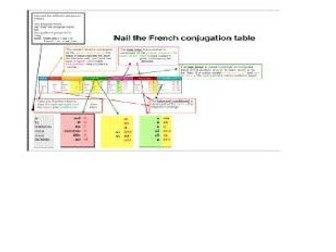
Comprehensive Revision of French tenses
Sommaire
USING TENSES
THE PRESENT TENSE
THE PERFECT TENSE
THE IMPERFECT TENSE
THE FUTURE TENSE
THE IMPERATIVE
REFLEXIVE VERBS
IN THE PRESENT TENSE
IN THE PERFECT TENSE
THE CONDITIONAL TENSE
THE PLUPERFECT TENSE
EN + PRESENT PARTICIPLE
THE PRESENT SUBJUNCTIVE
‘IF’ SENTENCES
RECOGNIZING TENSES
SOME TRANSLATIONS:
EASY TRANSLATIONS
HARDER TRANSLATIONS