Good Character & Values Lesson – Reflection & Character Tree ActivityQuick View
bienksm

Good Character & Values Lesson – Reflection & Character Tree Activity

(0)
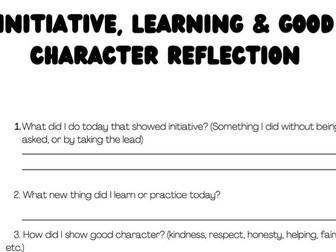
This meaningful and reflective resource is designed to help pupils develop a deeper understanding of positive values and good character, encouraging them to recognise and celebrate their own actions, choices, and personal growth. Through a combination of discussion, reflection, and creative expression, pupils explore key values such as kindness, respect, honesty, fairness, and initiative. The lesson supports children in understanding what it means to demonstrate good character in everyday situations, both inside and outside the classroom. A key feature of this resource is the Character Tree activity, where pupils visually represent positive values and behaviours by adding ideas to a tree template. This creative and engaging task helps to reinforce learning while making abstract concepts more accessible and memorable . The resource also includes a structured reflection sheet, guiding pupils to think about how they have demonstrated initiative, what they have learned, and how they have shown good character. This promotes self-awareness, emotional understanding, and personal responsibility . What’s included: Character Tree template (visual values activity) Reflection worksheet focused on initiative and character Prompts to support discussion and self-reflection Key skills covered: Understanding values and good character Self-reflection and emotional awareness Recognising positive behaviour Building confidence and independence Developing a positive classroom culture Perfect for: KS1 / KS2 PSHE lessons Character education and values-based learning Circle time or reflection sessions Promoting positive behaviour and classroom ethos This resource is ideal for helping pupils become thoughtful, reflective individuals who understand the importance of their actions and how they contribute to a positive and respectful community.
Problem Solving with 4-Digit Subtraction (with Exchange) – Differentiated Worksheets & LessonQuick View
bienksm

Problem Solving with 4-Digit Subtraction (with Exchange) – Differentiated Worksheets & Lesson

(0)
This engaging and interactive maths lesson focuses on developing pupils’ confidence in solving 4-digit subtraction problems with multiple exchanges, using real-life word problems and a structured, step-by-step approach. The fully editable PowerPoint lesson uses a fun and motivating “spy mission” theme, capturing pupils’ interest while guiding them through key subtraction skills. Learners are taught how to identify important information in word problems, set out calculations correctly, and apply the column method with exchanging when needed . The lesson follows a clear I do, We do, You do structure, allowing pupils to build confidence gradually through modelling, guided practice, and independent work. Opportunities for discussion and mini plenaries help reinforce understanding and address misconceptions throughout. A key strength of this resource is the inclusion of differentiated worksheets, designed to support a range of abilities within the classroom. Pupils work through carefully scaffolded problems, including structured column method grids and challenge questions to extend learning. The worksheets also incorporate real-life problem-solving contexts and encourage pupils to check their answers using the inverse method, deepening their mathematical understanding. What’s included: Fully editable PowerPoint lesson Clear WALT and WILF Differentiated worksheets (multiple levels of support and challenge) Word problems with real-life contexts Column method grids for scaffolding Challenge questions and extension tasks Mini plenary and final assessment opportunities Key skills covered: 4-digit subtraction with exchange Problem solving and reasoning Identifying key information in word problems Using the column method accurately Checking answers using inverse operations Perfect for: KS2 Maths lessons (Year 4+) Teaching subtraction with exchanging Mixed-ability classrooms Building confidence in problem solving This resource is ideal for making subtraction engaging and accessible, while ensuring all learners are supported through carefully differentiated tasks and clear, structured teaching.
Understanding Discrimination – Equality & Respect LessonQuick View
bienksm

Understanding Discrimination – Equality & Respect Lesson

(0)
This powerful and age-appropriate lesson helps pupils develop a clear understanding of discrimination, fairness, and equality, encouraging them to reflect on their own attitudes and learn how to challenge unfair behaviour. The lesson begins with a thoughtful starter that encourages pupils to compare similarities and differences between individuals, prompting discussion around whether differences affect a person’s value. This creates a safe and engaging entry point into a sensitive but essential topic. Pupils are introduced to the concept of discrimination, including key vocabulary such as prejudice, stereotyping, exclusion, and bullying. Through clear explanations and relatable examples, learners gain a deeper understanding of how discrimination can occur and the impact it can have on individuals and communities. A key strength of this lesson is its focus on real-life application and pupil voice. Pupils explore different types of discrimination and are encouraged to think critically about how to respond in everyday situations. A meaningful writing task allows learners to take on an active role by suggesting ways to challenge discrimination, promoting empathy, responsibility, and confidence. The lesson concludes with a reflective plenary, helping pupils consolidate their understanding and consider how they can contribute to a more inclusive and respectful school environment. What’s included: Fully editable PowerPoint lesson Clear WALT and WILF Engaging discussion-based starter Key vocabulary and definitions Exploration of different types of discrimination Scenario-based writing task Reflective plenary Key skills covered: Understanding discrimination and equality Developing empathy and respect Speaking, listening, and discussion skills Critical thinking and reasoning Promoting positive behaviour and inclusion Perfect for: KS1 / KS2 PSHE lessons British Values (Mutual Respect & Tolerance) Anti-bullying and inclusion topics Supporting a positive and respectful classroom culture This lesson is ideal for helping pupils understand the importance of fairness, recognise discrimination, and feel empowered to stand up for themselves and others in a respectful and thoughtful way.
The Vikings – L1 History Lesson with Differentiated Worksheets (KS2)Quick View
bienksm

The Vikings – L1 History Lesson with Differentiated Worksheets (KS2)

(0)
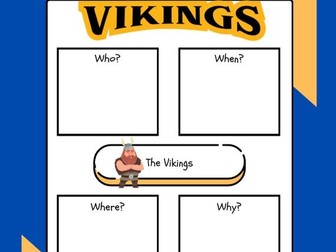
This engaging and accessible lesson introduces pupils to the fascinating world of the Vikings, helping them develop a strong foundational understanding of who the Vikings were, where they came from, and why they invaded Britain. Designed with clarity and structure, the lesson includes a fully editable PowerPoint that guides pupils through key historical knowledge in a simple, age-appropriate way. Learners explore Viking life, their origins in Scandinavia, and their impact on Britain through clear explanations and discussion opportunities . A key strength of this resource is the inclusion of differentiated worksheets, ensuring all learners can access and engage with the content. Pupils complete a structured “Who? When? Where? Why?” task, allowing them to organise their knowledge clearly, with versions adapted to support different ability levels . The resource also includes a KWL (Know, Want to know, Learned) chart, encouraging pupils to reflect on prior knowledge, set learning intentions, and consolidate understanding by the end of the lesson What’s included: Fully editable PowerPoint lesson Clear WALT and WILF Differentiated worksheets (multiple ability levels) “Who? When? Where? Why?” structured activity KWL chart for reflection and assessment Engaging tasks and plenary questions Key skills covered: Historical knowledge and understanding Organising information Reading and comprehension Reflection and independent learning Critical thinking Perfect for: KS1 / Lower KS2 History lessons Introduction to the Vikings topic Mixed-ability classrooms Supporting scaffolded learning This resource is ideal for delivering an engaging and inclusive history lesson, allowing all pupils to access the content and build confidence through carefully differentiated tasks.
My Role, My Responsibility: Creating a Positive Classroom TogetherQuick View
bienksm

My Role, My Responsibility: Creating a Positive Classroom Together

(0)
his engaging and thoughtfully structured lesson supports pupils in developing a clear understanding of their role within the classroom, with a strong focus on citizenship, responsibility, and positive learning behaviours. Through interactive discussion, reflection, and goal-setting, children are guided to recognise how their actions contribute to a respectful and productive classroom environment. The lesson begins with a stimulating starter activity where pupils evaluate everyday classroom scenarios (e.g. sharing resources, interrupting, helping others) and decide whether they reflect positive or negative choices. This encourages critical thinking and immediately immerses learners in the concept of responsibility. Clear learning intentions are provided through a focused WALT (We Are Learning To): understanding their role in the classroom, alongside meaningful WILF (What I’m Looking For) success criteria. Pupils explore key themes such as teamwork, respect, kindness, and cooperation, linking their learning to shared values and real-life classroom experiences . A key strength of this lesson is its emphasis on collaborative discussion and pupil voice, where children are encouraged to share ideas on how to improve their classroom environment. This builds a sense of ownership and community, helping learners feel responsible for the collective success of the class. The lesson also incorporates a purposeful SMART goal-setting activity, enabling pupils to reflect on their own behaviour and set achievable personal targets. Using the SMART framework (Specific, Measurable, Achievable, Relevant, Time-bound), children develop self-awareness and take meaningful steps towards becoming positive classroom citizens . A thought-provoking challenge question extends learning by encouraging deeper reflection on the consequences of not fulfilling classroom roles, promoting higher-order thinking skills. The lesson concludes with an engaging plenary activity, where pupils reflect on their learning by sharing how they can contribute positively to the class, reinforcing key messages in a memorable and interactive way. What’s included: Fully editable PowerPoint lesson Clear WALT and WILF Interactive starter activity Discussion prompts and collaborative tasks SMART goal-setting template Challenge question for deeper thinking Reflective plenary activity Perfect for: PSHE / Citizenship lessons Beginning-of-year classroom expectations Building positive classroom culture Lower KS2 (adaptable for other year groups) This lesson is ideal for creating a supportive, respectful classroom environment while empowering pupils to take responsibility for their own behaviour and learning.
Limit Plastic Pollution – PSHE / Environmental LessonQuick View
bienksm

Limit Plastic Pollution – PSHE / Environmental Lesson

(0)
This interactive and thought-provoking lesson helps pupils understand the impact of plastic pollution and empowers them to take practical steps to protect the environment. Through a structured lesson format, pupils explore what plastic pollution is, why it is harmful, and how they can reduce their own plastic use. The lesson includes a range of engaging activities such as think-pair-share discussions, real-life examples, and a creative “trash-to-treasure” task that encourages hands-on learning and problem-solving . What’s included: Fully editable PowerPoint lesson Clear WALT and WILF Interactive starter (Think, Pair, Share, Reflect) Practical strategies to reduce plastic use Creative upcycling task Reflective plenary questions Key learning outcomes: Understanding plastic pollution and its impact Developing environmentally responsible habits Encouraging teamwork and discussion Promoting creativity through recycling and reuse Perfect for: PSHE / Citizenship lessons Environmental awareness topics KS1 / KS2 classrooms Cross-curricular links with Science and Geography This lesson is ideal for inspiring pupils to become environmentally responsible and to make small but meaningful changes in their everyday lives.
Why Do We Make Decisions Together? – Democracy & Fairness LessonQuick View
bienksm

Why Do We Make Decisions Together? – Democracy & Fairness Lesson

(0)
This engaging and thought-provoking PSHE lesson introduces pupils to the concept of democracy and group decision-making, helping them understand why fairness, equality, and collaboration are essential in everyday life. Through relatable, real-life scenarios, pupils explore what happens when decisions are made individually versus collectively. The lesson begins with an engaging starter that places children in a familiar classroom situation, encouraging discussion around fairness and compromise, and immediately capturing interest . Pupils are then introduced to the concept of democracy, learning key principles such as equality, participation, majority rule, and respect for others’ opinions. The lesson supports children in recognising that when decisions affect a group, it is important that everyone has a voice and feels included. A key strength of this lesson is its focus on discussion, reflection, and real-life application. Pupils reflect on their own experiences within the classroom, such as creating class rules or making group choices, and consider how decisions can be made fairly. A practical task encourages learners to apply their understanding by deciding on a group scenario, promoting teamwork and critical thinking. The lesson concludes with a reflective plenary, allowing pupils to consolidate their understanding and recognise the importance of being active, fair, and respectful members of a group. What’s included: Fully editable PowerPoint lesson Clear WALT and WILF Engaging real-life starter scenario Introduction to democracy and key vocabulary Discussion-based activities Reflective task and challenge activity Plenary for consolidation Key skills covered: Understanding democracy and fairness Speaking and listening skills Critical thinking and reasoning Collaboration and teamwork Respecting different viewpoints Perfect for: KS1 / KS2 PSHE or Citizenship lessons British Values (Democracy) Classroom discussions on fairness and inclusion Developing social and emotional understanding This lesson is ideal for helping pupils understand their role in group decision-making while building essential life skills such as fairness, cooperation, and respect for others.
Famous Conservationists Research Lesson & WorksheetsQuick View
bienksm

Famous Conservationists Research Lesson & Worksheets

(0)
This engaging and interactive lesson pack introduces pupils to the inspiring work of famous conservationists, helping them develop research skills while building awareness of environmental responsibility. Pupils explore the lives and contributions of key figures such as Jane Goodall, Wangari Maathai, and David Attenborough through a structured and collaborative lesson. The PowerPoint guides learners through the concept of conservation, why it is important, and the impact individuals can have on protecting the planet . The lesson includes a strong focus on group work and active learning, where pupils research a conservationist and record their findings using clear, scaffolded fact file templates. These worksheets support learners in organising information such as early life, achievements, key discoveries, and environmental impact, making research accessible and engaging for all abilities What’s included: Fully editable PowerPoint lesson Clear WALT and WILF Structured group research task Detailed conservationist fact sheets (Jane Goodall, Wangari Maathai, David Attenborough) Scaffolded research worksheets Peer assessment opportunity Engaging plenary with spotlight questions Key skills covered: Research and information retrieval Note-taking and summarising Understanding non-fiction texts Collaboration and teamwork Environmental awareness and responsibility Perfect for: KS1 / KS2 classrooms PSHE, Geography, or Science lessons Environmental and sustainability topics Developing independent research skills This resource is ideal for encouraging pupils to become curious, informed, and responsible learners, while gaining inspiration from real-life individuals who have made a positive impact on the world.
Understanding Diversity – Equality & Inclusion LessonQuick View
bienksm

Understanding Diversity – Equality & Inclusion Lesson

(0)
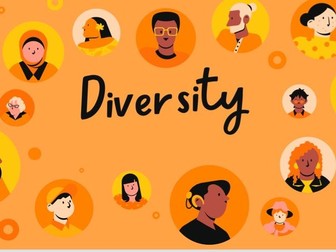
This engaging and inclusive lesson helps pupils develop a clear understanding of diversity, equality, and respect, encouraging them to celebrate differences and recognise the value of every individual within a community. The lesson begins with a thought-provoking Think-Pair-Share starter, where pupils explore their initial ideas about diversity, activating prior knowledge and promoting discussion from the outset . Pupils are then guided to define diversity and understand why it is important to treat everyone equally, regardless of their identity. Through a range of relatable and practical examples, learners explore diversity in everyday life, including culture, language, food, and traditions. The lesson encourages curiosity and openness by suggesting meaningful ways pupils can experience diversity, such as trying foods from different countries or learning new languages. A key strength of this lesson is its focus on inclusion and real-life application, helping pupils recognise how differences can positively contribute to their classroom and wider community. A reflective task challenges pupils to consider how diversity benefits others, promoting empathy and deeper thinking. The lesson concludes with a purposeful plenary that reinforces the idea that our differences make us stronger, helping pupils leave with a positive and respectful mindset. What’s included: Fully editable PowerPoint lesson Clear WALT and WILF Interactive Think-Pair-Share starter Practical examples of diversity in everyday life Discussion and reflection tasks Challenge question to deepen understanding Plenary for consolidation Key skills covered: Understanding diversity and inclusion Respecting differences Speaking and listening skills Critical thinking and reflection Building empathy and awareness Perfect for: KS1 / KS2 PSHE lessons British Values (Mutual Respect & Tolerance) Classroom discussions on inclusion and equality Promoting a positive and inclusive classroom culture
Sustainability PPT & Worksheet – Our Role in Protecting the EnvironmentQuick View
bienksm

Sustainability PPT & Worksheet – Our Role in Protecting the Environment

(0)
A comprehensive and engaging lesson designed to help students understand sustainability and their role in protecting the environment. This resource includes a detailed PowerPoint presentation and a student worksheet that encourages learners to think critically about sustainable actions and how they can help care for the Earth. The lesson begins with a thought-provoking starter activity where students identify the odd one out between walking, cycling, and driving, prompting discussion about environmentally friendly choices. Learners are then introduced to the concept of sustainability and explore why sustainable living is essential for protecting ecosystems, natural resources, and future generations. The lesson clearly outlines the WALT (We Are Learning To) and WILF (What I’m Looking For) to guide learning and ensure students understand the lesson objectives. WALT: To recognise the importance of sustainable living. WILF: I can define sustainability. I can understand the importance of sustainable living. I can suggest at least one way I can be more sustainable at school and at home. Students explore key sustainability concepts including: Waste management and recycling Renewable energy (such as solar and wind energy) Conservation of natural resources The role individuals play in protecting the environment. The lesson includes guided questioning throughout, helping teachers check understanding and stimulate discussion. Spotlight questions include: What does sustainability mean? Why is sustainability important? Name at least three types of sustainable actions we can take to protect the Earth. A *challenge question *is also included to extend higher-level thinking: What does the word biodiversity mean? The main activity is a mind-map style worksheet where students apply what they have learned by identifying sustainable actions. A helpful word bank supports learners with ideas such as protecting natural resources, planting more trees, managing waste, using sustainable energy, and choosing to walk instead of drive. This structured activity encourages students to organise their thinking and reflect on real-world ways they can contribute to environmental protection. What’s included: PowerPoint lesson presentation Student worksheet with mind-map activity Starter discussion activity Clear WALT and WILF learning objectives Spotlight questions to guide discussion Challenge question for higher-order thinking Word bank to support learners Perfect for: KS2 Science and Geography Environmental awareness lessons Sustainability and conservation topics Earth Day activities Whole-class teaching, discussion, or independent work This resource helps students understand that small everyday choices can make a big difference in protecting our planet, empowering them to think about their own role in creating a more sustainable future.
Conservation Activity – Stop, Reduce, Increase (Differentiated Worksheet)Quick View
bienksm

Conservation Activity – Stop, Reduce, Increase (Differentiated Worksheet)

(0)
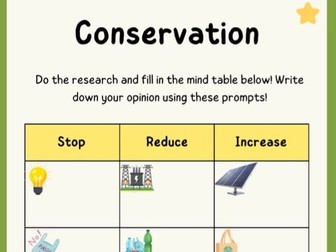
An engaging conservation activity where students research and think critically about how humans can protect the environment. Learners explore what actions we should stop, reduce, and increase to help care for our planet. This differentiated worksheet encourages students to investigate environmental issues and organise their ideas in a structured mind table. Pupils analyse everyday actions such as reducing plastic use, increasing renewable energy, protecting forests, and making more sustainable choices. The activity promotes discussion, research skills, and environmental awareness while helping students understand how small changes can make a positive impact on the Earth. What’s included: 3 differentiated worksheets (easy to challenge levels) Clear Stop / Reduce / Increase thinking framework Visual prompts to support understanding Space for learners to research and record their ideas Learning focus: Students identify harmful actions that should stop, behaviours that should be reduced, and positive actions that should increase in order to support conservation and sustainability. Perfect for: KS2 Science (Environment / Sustainability topics) Geography lessons on conservation Earth Day or environmental awareness activities Independent work, group discussion, or research tasks The visual prompts help guide students to think about issues such as plastic pollution, energy use, deforestation, renewable energy, and protecting nature, making the task accessible and engaging for a wide range of learners.
Effects of Pollution on Humans and Animals – Lesson & Differentiated WorksheetQuick View
bienksm

Effects of Pollution on Humans and Animals – Lesson & Differentiated Worksheet

(0)
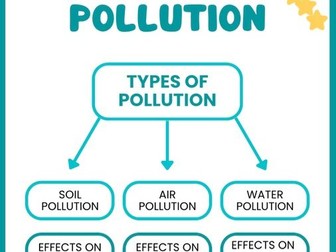
This engaging lesson helps students understand the different types of pollution and how they affect both humans and animals. It includes a clear, student-friendly PowerPoint presentation and a differentiated worksheet to support a range of learning abilities. The lesson begins with a thought-provoking starter image to encourage discussion about pollution and its impact on wildlife. Students are then introduced to the concept of pollution and learn about different types including air pollution, water pollution, soil pollution, noise pollution, and light pollution. The presentation explains how these pollutants can affect human health, ecosystems, and animals in an accessible way. Students consolidate their learning with a differentiated worksheet that allows them to identify different types of pollution and consider their effects on humans and animals. The lesson finishes with a reflective plenary activity where learners share words associated with pollution and respond to discussion questions. This resource is ideal for introducing environmental awareness and encouraging critical thinking about how human actions affect the natural world. What’s included: PowerPoint lesson presentation Differentiated worksheet Starter discussion activity Spotlight questions for deeper thinking Plenary activity (word cloud reflection) Perfect for: KS2 / Year 4 Science Topics on environment, pollution, and ecosystems Whole-class teaching, independent work, or discussion lessons
Recycling Lesson & Interactive Activity – “Ready, Set, Recycle!” (KS2 Environmental Science)Quick View
bienksm

Recycling Lesson & Interactive Activity – “Ready, Set, Recycle!” (KS2 Environmental Science)

(0)
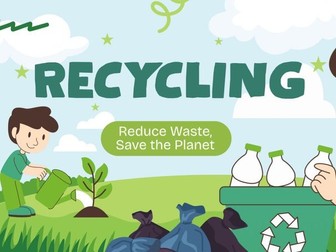
Make environmental education meaningful, memorable, and active with this engaging recycling lesson and hands-on sorting activity designed to help students understand how recycling protects our planet. This ready-to-teach resource includes a structured PowerPoint lesson and a practical worksheet that brings sustainability concepts to life through discussion, critical thinking, and real-world application.Make environmental education meaningful, memorable, and active with this engaging recycling lesson and hands-on sorting activity designed to help students understand how recycling protects our planet. This ready-to-teach resource includes a structured PowerPoint lesson and a practical worksheet that brings sustainability concepts to life through discussion, critical thinking, and real-world application.
Industrial Revolution steam train drawing task.Quick View
bienksm

Industrial Revolution steam train drawing task.

(0)
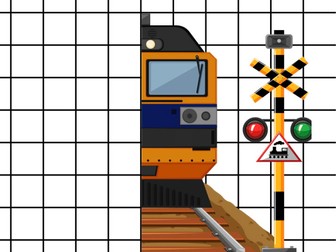
This Year 4 Art assessment combines art and history by exploring symmetry through a creative Industrial Revolution steam train drawing task. Pupils apply their understanding of line symmetry to complete the missing half of a steam train using a grid. The activity encourages careful observation, mathematical thinking, and links learning to the Industrial Revolution topic, where steam trains played a key role in changing transport and industry. The resource includes a clear teaching PPT explaining: What symmetry is The historical context of the Industrial Revolution Step-by-step modelling of how to reflect shapes using a grid Assessment success criteria (WALT & WILF) This task works well as: An end-of-unit art assessment A cross-curricular maths and art activity A history topic link Included: Teaching PowerPoint Assessment criteria Reflection questions for pupil evaluation Skills developed: Understanding line symmetry Grid drawing and spatial awareness Observation and accuracy Cross-curricular historical understanding Suitable for: Year 3–5 (ideal for Year 4) Topics: Art | Maths (Symmetry) | Industrial Revolution | Cross-curricular learning