IB Extended Essay Introduction Lesson - EE Launch Workshop (First assessment 2027)Quick View
No_Stress_Resources

IB Extended Essay Introduction Lesson - EE Launch Workshop (First assessment 2027)

(0)
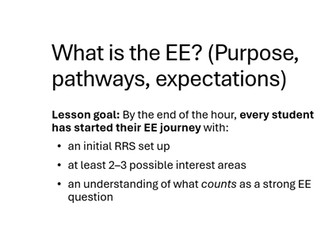
IB Extended Essay Introduction Lesson - EE Launch Workshop - Identity to Research Question - RRS & Reflection Setup (First assessment 2027) Launch your students into the IB Extended Essay with purpose, clarity, and confidence. This highly engaging, structured lesson is designed to help students begin their EE journey the right way — not with random topic picking, but with identity-driven inquiry and meaningful reflection. Perfect for IB coordinators and supervisors introducing the EE for first assessment 2027, this resource walks students through: Understanding what the EE really is (and what it isn’t) Exploring personal identity and interests as the foundation for research Making meaningful connections between personal passions and global issues Setting up their Reflections on Planning and Progress Form (RPPF) thinking through the Researcher’s Reflection Space (RRS) Generating 2–3 potential interest areas Writing their first reflection What’s Included: Clear lesson objectives (student-friendly and teacher-ready) Interactive “Fact or Fiction” activity about the EE Step-by-step identity-to-inquiry workshop Guided worksheet prompts (Who Am I? → What Influences Me? → Making Connections) Structured RRS setup guidance First reflection writing task Plenary discussion prompts Key messaging aligned with IB expectations Learning Outcomes: By the end of this lesson, students will: Understand the purpose, structure, and assessment of the EE Recognise the importance of process + reflection Identify at least 2–3 viable interest areas Begin forming inquiry-based thinking Set up their RRS correctly Write their first reflective entry Why Teachers Love This: Moves students away from “What topic should I pick?” Prevents weak, AI-generated or generic questions Encourages authentic, student-led inquiry Sets up strong foundations for high-scoring reflection marks Creates buy-in from day one This lesson shifts the EE conversation from compliance to curiosity. Perfect For: IB Diploma Programme schools New EE supervisors Whole cohort EE launch sessions Tutors guiding independent research projects Schools preparing for IB EE first exams 2027 Duration: 1 hour lesson (can be extended into two sessions if desired) Key Message for Students: “You didn’t choose an EE topic today. You identified where good EE topics come from.” Start the EE process with reflection, ownership, and authentic curiosity — not panic.
IB Extended Essay: Developing a Strong Research Question - EE Lesson 3Quick View
No_Stress_Resources

IB Extended Essay: Developing a Strong Research Question - EE Lesson 3

(0)
IB Extended Essay: Developing a Strong Research Question - EE Lesson 3 - First Assessment 2027 Help your IB students move from vague ideas to focused, analytical research questions with this structured and practical Extended Essay Lesson 3 PowerPoint. This lesson is designed to develop one of the most critical skills in the EE process: writing a clear, focused, arguable research question that meets IB standards for analysis, scope, and feasibility. Aligned with expectations for first assessment 2027, this resource guides students through identifying weak questions, refining ideas, and ensuring their proposed research is realistic within 4,000 words. Lesson Focus: Students will learn to: Write focused, analytical research questions Avoid descriptive, vague, or overly broad questions Understand appropriate scope and feasibility Apply the “Goldilocks Test” to evaluate their ideas Refine weak questions into strong, viable EE research questions What’s Included: This PowerPoint lesson includes: Clear learning goals Starter activity: Which Question Works? Explicit teaching on what makes a strong EE research question Guided practice: Converting weak questions into strong ones Scope and feasibility guidance “Research Question Clinic” activity Plenary: The Goldilocks Test Homework task to consolidate learning Worksheet Subject proposal Why This Resource Is Valuable: Prevents common EE mistakes early Reduces overly broad or purely descriptive questions Encourages analytical thinking Builds confidence before supervisor meetings Saves teachers time when reviewing initial proposals This lesson is ideal for delivery before students formally submit their research question to supervisors. Lesson Length: Approximately 50–60 minutes Perfect for: IB Diploma Programme schools EE coordinators and supervisors Whole cohort EE skills lessons Students preparing to formalise their research question
IB Extended Essay: Choosing a Topic & Pathway (Subject-Focused or Interdisciplinary) – Lesson 2Quick View
No_Stress_Resources

IB Extended Essay: Choosing a Topic & Pathway (Subject-Focused or Interdisciplinary) – Lesson 2

(0)
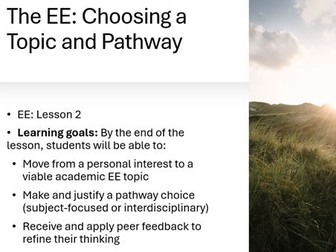
IB Extended Essay: Choosing a Topic & Pathway (Subject-Focused or Interdisciplinary) – Lesson 2 (First assessment 2027) This engaging IB Extended Essay lesson guides students from a broad personal interest to a viable academic EE topic while helping them confidently choose between a subject-focused or interdisciplinary pathway. Designed for first assessment 2027 (aligned with the IB EE Guide), this resource supports students in making informed decisions about topic selection, pathway justification, and research question development. By the end of the lesson, students will be able to: Move from a personal interest to a focused, manageable EE topic Make and justify a pathway decision (single subject or interdisciplinary) Refine their thinking through structured peer feedback Begin developing a viable research question suitable for 4,000 words What’s included: Starter reflection task (linked to RRS development) “Zooming In” topic workshop activity Clear explanation of EE pathways with decision-making flow Pathway decision table for structured thinking Peer feedback protocol (Good vs Weak Thinking activity) Individual reflection prompts (supports Criterion E) Plenary reflection This lesson promotes critical thinking, independence, and academic judgment while helping students avoid overly broad or purely descriptive topics. It is ideal for IB Diploma Programme coordinators, EE supervisors, and teachers launching the Extended Essay journey. Suitable for DP1 students beginning their EE process.
Population Pyramids & Dependency Ratios – Complete Lesson for KS3 GeographyQuick View
No_Stress_Resources

Population Pyramids & Dependency Ratios – Complete Lesson for KS3 Geography

(0)
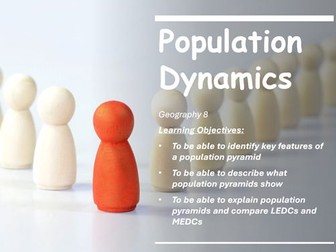
Looking for a ready-to-teach lesson on Population Pyramids and Population Structure? This engaging and fully structured PowerPoint is designed for Year 8 Geography and guides students through: Understanding what a population pyramid shows Identifying key features (wide base, narrow top, ageing population) Comparing LEDCs and MEDCs Exploring the Demographic Transition Model links Understanding dependency ratios Analysing real population pyramid data Applying knowledge through discussion and partner tasks The lesson includes: Clear learning objectives Starter discussion tasks Cartoon interpretation activity Video task (TED-Ed: Population Pyramids) Guided analysis questions Key terminology explanations Dependency ratio explanation (child, workforce, retired) Creative Lego Population Pyramid activity Plenary quick-fire assessment questions Perfect for: KS3 Geography Lower GCSE preparation Cover lessons Non-specialist teachers This resource encourages discussion, critical thinking, and exam-style explanation skills.
IGCSE Resource Provision Bundle (First Exams 2027 - CIE)Quick View
No_Stress_Resources

IGCSE Resource Provision Bundle (First Exams 2027 - CIE)

10 Resources
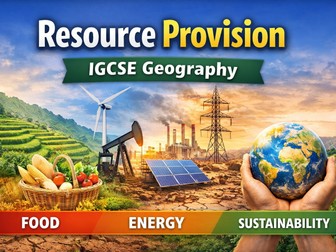
IGCSE Geography – Resource Provision Complete Unit Bundle (for first exams 2027) This comprehensive IGCSE Geography bundle provides full coverage of food and energy resources, combining clear knowledge delivery, engaging activities, case studies and exam-focused practice. It is ideal for teaching Units 10.1–10.6 and saves hours of planning time. The bundle is designed to build understanding progressively, moving from global systems to local impacts and evaluation, and is perfectly suited for classroom teaching, revision, homework, or independent learning. What’s included in the bundle Food Resources Globalisation of Food Supply Challenges of Food Supply Food Insecurity (including a detailed case study on Yemen) Soil Erosion & Desertification Causes (human & natural) Sustainable management strategies Evaluation of effectiveness Energy Resources How Our Energy Is Produced Renewable & non-renewable energy Fuelwood, energy poverty and the energy ladder Global Patterns of Energy Supply & Demand Energy surplus & deficit Energy security and geopolitics Impacts of Energy Production Advantages & disadvantages of energy sources Sustainable energy strategies In-depth country case study project Key features Fully aligned with IGCSE Geography specification - CIE Clear explanations using accessible language Strong focus on exam command words (describe, explain, evaluate) Multiple exam-style questions with mark guidance Case studies, data analysis, mapping tasks and decision-making activities Opportunities for group work, independent research and project-based learning Suitable for revision, assessment, or cover lessons Skills developed Explanation and evaluation Data and graph interpretation Case study writing Decision-making and justification Use of geographical vocabulary Confidence with exam questions Suitable for: IGCSE Geography GCSE Geography (higher ability) KS4 revision or consolidation Independent learning and project work Cross-curricular links: This bundle also supports: Environmental Management Economics Global Perspectives Physics / Combined Science Business Studies
Soil Erosion - IGCSE Geography - Resource Provision (First Exam 2027)Quick View
No_Stress_Resources

Soil Erosion - IGCSE Geography - Resource Provision (First Exam 2027)

(0)
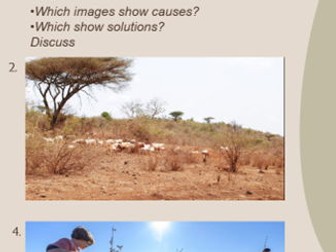
Soil Erosion & Desertification – IGCSE Geography (Unit 10.3) This engaging and exam-focused PowerPoint lesson covers Soil Erosion and Desertification as part of IGCSE Geography Unit 10.3: The Challenges of Food Supply, with direct links to specification point 10.3.5. This lesson was create for IGCSE Geography Resource Provision Unit - first exams 2027. The lesson helps students understand the causes of soil erosion, explore human and natural factors, and evaluate sustainable management strategies using real examples and structured exam practice. Lesson content includes: Clear explanations of soil erosion and desertification Human and natural causes (overgrazing, deforestation, over-cultivation, rainfall variability) Links between soil erosion, nutrient loss, and reduced food supply Management strategies, including: Agroforestry and crop rotation Afforestation (including reference to the Great Green Wall in the Sahel) Contour stones and terracing Education and sustainable farming techniques Evaluation of effectiveness, cost, and sustainability of each strategy Included activities: Starter Think & Link activity identifying causes and solutions from images Classification of human vs natural causes Case study application IGCSE-style exam question with peer assessment and mark-scheme guidance Feedback task to improve exam responses Skills developed: Explanation and evaluation Use of geographical vocabulary Case study application Exam technique for 5–6 mark questions Suitable for: IGCSE Geography GCSE Geography (higher ability) KS4 revision or consolidation lessons Independent learning or cover lessons This is a fully resourced, ready-to-teach lesson designed to save planning time while supporting strong exam performance and deep conceptual understanding. This resource also supports learning in IGCSE Environmental Management, Biology, Agriculture, Economics and Global Perspectives through its focus on land degradation, sustainability and soil management.
How Our Energy Is Produced? - IGCSE Geography - Resource Provision (First exams 2027)Quick View
No_Stress_Resources

How Our Energy Is Produced? - IGCSE Geography - Resource Provision (First exams 2027)

(0)
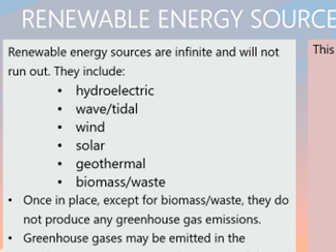
How Our Energy Is Produced – IGCSE Geography (Unit 10.4) This engaging and curriculum-aligned PowerPoint lesson introduces students to how energy is produced, with direct coverage of IGCSE Geography Unit 10.4.1. This lesson has been prepared for IGCSE Geography Resource Provision unit - first exams 2027. The lesson clearly explains renewable and non-renewable energy sources, explores their advantages and disadvantages, and supports students in developing the knowledge and skills needed to answer IGCSE-style exam questions. This resource covers: Definitions of renewable and non-renewable energy Renewable energy types: biomass, geothermal, hydroelectric power (HEP), solar, tidal, wave and wind Non-renewable energy sources: fossil fuels (coal, oil, gas) and nuclear power Explanation of why fuelwood can be renewable or non-renewable Reasons for the increasing importance of renewable energy globally Environmental impacts of fossil fuels (greenhouse gases, acid rain, habitat destruction) Energy security and reliance on imports Introduction to the energy ladder and energy poverty Activities included: Starter task defining renewable vs non-renewable energy Independent research table on non-renewable energy sources Video-based note-taking activity on nuclear energy Discussion and evaluation tasks Exam-style questions to check understanding Skills developed: Knowledge of global energy production Use of geographical terminology Explanation and evaluation Exam technique for structured responses Suitable for: IGCSE Geography GCSE Geography (higher ability) KS4 revision or consolidation lessons Independent learning or cover lessons This is a ready-to-teach lesson that saves planning time while building strong foundations for later units on energy, sustainability and development. This resource also supports learning in IGCSE Environmental Management, Physics, Economics and Global Perspectives through its focus on energy resources, sustainability and development.
Food Insecurity - IGCSE Geography Resource Provision (First exams 2027)Quick View
No_Stress_Resources

Food Insecurity - IGCSE Geography Resource Provision (First exams 2027)

(0)
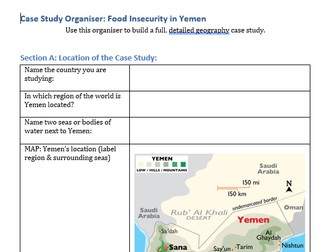
Food Insecurity – IGCSE Geography (Unit 10.3) This comprehensive and exam-focused PowerPoint lesson covers Food Insecurity as part of IGCSE Geography Unit 10.3, with clear links to the specification points 10.3.2, 10.3.3, 10.3.4 and 10.3.6. This resource is aligned with the new syllabus for Resource Provision first exams 2027. The lesson is carefully structured to help students understand the causes, impacts and responses to food insecurity, while building the evaluative skills required for extended exam questions. The lesson includes: Clear definition of food insecurity and food security Classification of food surplus and food deficit countries Factors affecting food security (human and physical) Problems caused by food insecurity in LICs, MICs and HICs Social, economic and environmental impacts, including malnutrition, migration and unrest Strategies used to increase food supply Detailed explanation and evaluation of food aid A full named case study on Yemen, covering: Causes of food insecurity Impacts on people and development Short- and long-term strategies Evaluation of effectiveness (exam-ready structure) Engaging activities included: Starter: “The Unequal Plate” discussion Food insecurity webs (cause-and-effect mapping task) Group discussion and peer questioning “Think Like a Farmer” and Farm Pitch activity to explore sustainable strategies Structured case study research and extended writing tasks Exam-style questions with clear command words Skills developed: Explanation and evaluation Case study writing Use of geographical vocabulary Preparation for exam questions Suitable for: IGCSE Geography GCSE Geography (higher ability) KS4 revision or consolidation lessons Independent learning, homework or cover lessons This is a fully resourced, ready-to-teach lesson that saves planning time while ensuring strong curriculum coverage and exam preparation. This resource also supports learning in IGCSE Environmental Management, Economics, Global Perspectives, Business Studies and Food & Nutrition through its focus on food security, development and sustainability.
The impacts of Energy Production - IGCSE Geography - Resource Provision (First exam 2027)Quick View
No_Stress_Resources

The impacts of Energy Production - IGCSE Geography - Resource Provision (First exam 2027)

(0)
Impacts of Energy Production – IGCSE Geography (Unit 10.6) This comprehensive and engaging PowerPoint resource covers IGCSE Geography Unit 10.6: The Impacts of Energy Production, with direct links to specification points 10.6.1–10.6.4. This lesson was created for IGCSE Geography Resource Provision - New Syllabus - first exam 2027. The lesson is built around an independent / paired project that encourages students to apply knowledge, evaluate energy strategies, and develop a full country-based case study, making it ideal for extended learning, assessment, or revision. This resource covers: Advantages and disadvantages of renewable and non-renewable energy sources Strategies and techniques used to increase energy supplies Evaluation of sustainable energy management strategies The concept of sustainability and long-term energy planning A detailed named country case study, including: - Energy mix - Social, economic and environmental impacts of energy use - Strategies to manage energy supply - Evaluation of effectiveness and sustainability Energy Choices for the Future Project includes: Flexible output options (A3 infographic, digital slides or creative revision page) Structured sections guiding students step-by-step Clear prompts aligned to exam command words Opportunities for justification, evaluation and decision-making Skills developed: Explanation and evaluation Case study writing Decision-making and justification Use of geographical vocabulary Preparation for extended IGCSE exam questions Suitable for: IGCSE Geography GCSE Geography (higher ability) KS4 project work or controlled assessment-style tasks Independent learning, homework or revision This is a ready-to-use, high-quality resource that saves planning time while supporting deep understanding of global energy issues and strong exam performance. This resource also supports learning in IGCSE Environmental Management, Physics, Economics, Global Perspectives and Combined Science through its focus on energy production, impacts and sustainability.
Globalization of Food - IGCSE Geography - Resource Provision - First Exams 2027Quick View
No_Stress_Resources

Globalization of Food - IGCSE Geography - Resource Provision - First Exams 2027

(0)
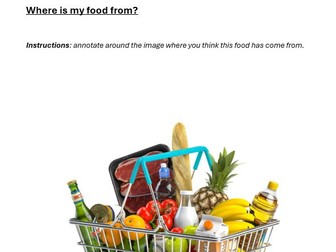
Globalisation of Food – IGCSE Geography (Unit 10.2) This fully resourced PowerPoint lesson covers the globalisation of food supply and demand, designed specifically for IGCSE Geography (Unit 10.2) of the new Resource Provision Syllabus (First exams 2027). The lesson explores why food has become globalised and the social, economic and environmental impacts of this process, using clear explanations, real-world examples, and exam-style questioning to support student understanding and exam success. Lesson content includes: Clear definition of globalisation and how it relates to food supply Starter activity: “Where is my food from?” to introduce global food networks Reasons for the globalisation of food (exam-focused explanations) Impacts of food globalisation, including: Food seasonality and food diversity Changing food cultures and Western diets Effects on food production, monoculture, and biodiversity Case examples such as quinoa, acai berries, and fast food chains Structured discussion tasks and written activities Exam-style questions Plenary and exit question to consolidate learning Skills developed: Explanation and evaluation skills Use of geographical terminology Preparation for 4–6 mark exam questions Understanding of sustainability issues linked to global food systems Perfect for: IGCSE Geography students GCSE Geography (higher ability) KS4 revision or introduction lessons Cover lessons or independent learning
Challenges of Food Supply (IGCSE Geography Resource Provision Syllabus - First exams 2027)Quick View
No_Stress_Resources

Challenges of Food Supply (IGCSE Geography Resource Provision Syllabus - First exams 2027)

(0)
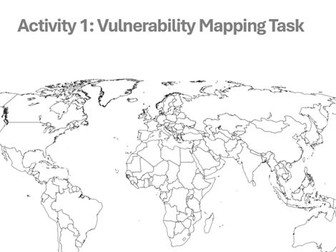
Challenges of Food Supply – IGCSE Geography (Unit 10.3) This engaging and exam-focused PowerPoint lesson covers Unit 10.3: The Challenges of Food Supply for IGCSE Geography. It provides students with a clear understanding of why food supply is uneven across the world, the human and natural factors that reduce food availability, and the impacts of food insecurity at different levels of development. It is aligned with the New IGCSE Syllabus (First Exams 2027) Resource Provision Unit. The lesson is carefully structured to build knowledge, develop geographical skills, and prepare students for 4–6 mark exam questions. This resource covers: Human and natural factors affecting food supply (drought, flooding, conflict, water stress) Problems caused by food insecurity in LICs, MICs and HICs Strategies used to increase food supply Evaluation of the role of food aid in improving food security Included activities: Starter discussion: Why can’t food always be produced? Vulnerability mapping task to identify global patterns of drought, flooding and conflict Classification of factors as human or natural Food supply impact chains activity to show causes and consequences Multiple exam-style questions with mark allocations Evaluative plenary task encouraging justification and higher-order thinking Skills developed: Map and spatial analysis Explanation and evaluation Use of geographical terminology Exam technique and structured responses Suitable for: IGCSE Geography GCSE Geography (higher ability) KS4 revision or consolidation lessons Independent learning or cover lessons This lesson is ready to teach, clearly differentiated, and designed to save planning time while ensuring strong exam preparation and student engagement.
Patterns of Energy Supply and Demand - IGCSE Geography - Resource Provision (First exams 2027)Quick View
No_Stress_Resources

Patterns of Energy Supply and Demand - IGCSE Geography - Resource Provision (First exams 2027)

(0)
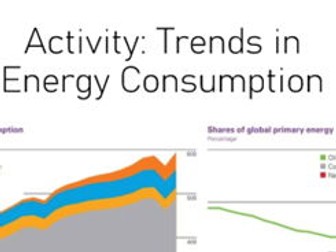
Global Patterns of Energy Supply & Demand – IGCSE Geography (Unit 10.5) This comprehensive and engaging PowerPoint lesson covers IGCSE Geography Unit 10.5: The Global Patterns of Energy Supply and Demand, with direct links to specification points 10.5.1, 10.5.2 and 10.5.3. This lesson directly connects to the Resource Provision Unit - first exams 2027. The lesson develops students’ understanding of why global energy production and consumption are increasing, where energy surplus and deficit countries are located, and why energy security is such a crucial global issue. This resource covers: Reasons for increasing global energy production and consumption Trends in the global energy mix (including renewables, fossil fuels and nuclear) Definitions of energy surplus and energy deficit Global and regional patterns of energy surplus and deficit The concept of energy security and why it is important Energy supply interruptions and their impacts Energy pathways and geopolitics (including choke points such as the Strait of Hormuz) Reasons for variations in energy types used: Between countries at different levels of development Within a country (physical, economic and political factors) Engaging activities included: Starter: “A Day Without Energy” thought experiment Data interpretation using energy consumption graphs Exam-style questions with clear mark allocations Group discussion activity exploring energy security from different perspectives Plenary “Energy Odd One Out” to consolidate understanding Skills developed: Data and graph interpretation Explanation and evaluation Use of geographical terminology Exam technique for 4–6 mark questions Suitable for: IGCSE Geography GCSE Geography (higher ability) KS4 revision or consolidation lessons Independent learning or cover lessons This is a ready-to-teach lesson that saves planning time while building strong conceptual understanding of global energy issues and exam confidence. This resource also supports learning in IGCSE Environmental Management, Economics, Global Perspectives, Physics and Business Studies through its focus on global energy supply, demand and security.
Variations in Calorie Intake - IGCSE Geography Resources (First Exams 2027 - Resource Provision)Quick View
No_Stress_Resources

Variations in Calorie Intake - IGCSE Geography Resources (First Exams 2027 - Resource Provision)

(0)
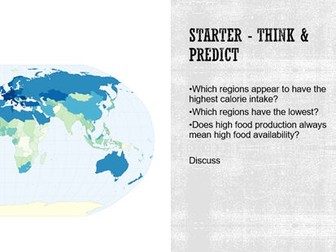
IGCSE Geography – Variations in Calorie Intake (Topic 10.2.1) A clear, engaging PowerPoint lesson covering IGCSE Geography Topic 10.2.1: Global patterns of calorie intake and reasons for variations. This resource supports students in understanding global inequalities in food supply and demand, with strong links to exam skills and data interpretation for the new Resource Provision syllabus (First exams 2027). Ideal for IGCSE Geography, KS4, and lower secondary global development units. Lesson content includes: Global patterns of daily calorie intake per capita Comparison of high-, middle- and low-income countries Clear explanation of recommended daily calorie needs Reasons for variations in calorie intake Use of maps and global data to interpret spatial patterns Case-linked discussion of overconsumption, undernutrition and obesity Explanation of global patterns of obesity and why obesity occurs Detailed section on food waste Student activities analysing trends (1980–2021), identifying patterns and explaining reasons Exam-style questions (3- and 6-mark) aligned with IGCSE command words Plenary and homework task focused on exam preparation Learning objectives: Describe global patterns of calorie intake Compare food availability between countries at different income levels Explain reasons for variations in calorie intake Interpret global food data and maps Resource type: PowerPoint Key Stage: KS4 / IGCSE Subject: Geography Topic: Food supply, calorie intake, global inequality
The Global Patterns of Food Supply and Demand  - First exams 2027 - Resource ProvisionQuick View
No_Stress_Resources

The Global Patterns of Food Supply and Demand - First exams 2027 - Resource Provision

(0)
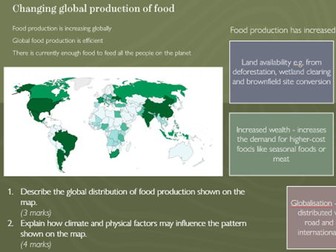
IGCSE Geography – Changing Global Production & Consumption of Food (10.2.2 & 10.2.3) A comprehensive, exam-focused PowerPoint lesson covering IGCSE Geography Topics 10.2.2 and 10.2.3, exploring why global food production and consumption are changing and the strategies used to increase food supply. Applicable to the IGCSE New Syllabus (First exams 2027) for the topic of Resource Provision. This lesson is ideal for IGCSE Geography, KS4, and food supply units within global development topics. Lesson content includes: Overview of changing global patterns of food production Explanation of agro-industrialisation and reasons for its development Map-based analysis of global food production and food insecurity Examination of changing global food consumption and food choices Links between population growth, food demand and food insecurity Discussion of energy efficiency in food production Detailed coverage of strategies to increase food supply Balanced discussion of advantages and disadvantages of different strategies Student discussion and opinion activity on agro-industrialisation Multiple IGCSE-style exam questions (3-, 4- and 6-mark) Structured plenary (3–2–1 review) for consolidation Learning objectives: Explain why global food production and consumption are changing Describe agro-industrialisation and why it has developed Explain how and why food choices vary between countries Understand the importance of energy efficiency in food production Answer IGCSE-style “explain” questions confidently Resource type: PowerPoint Key Stage: KS4 / IGCSE Subject: Geography Topic: Food supply, food consumption, global production
How our Food is Produced - IGCSE Geography (First Exams 2027 - Resource Provision)Quick View
No_Stress_Resources

How our Food is Produced - IGCSE Geography (First Exams 2027 - Resource Provision)

(0)
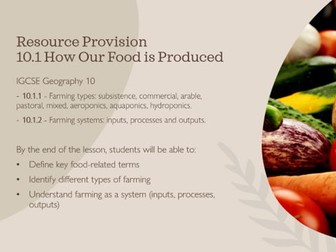
IGCSE Geography – How Our Food Is Produced (Topic 10.1) A fully resourced PowerPoint lesson covering IGCSE Geography Topic 10.1: How Our Food Is Produced. This lesson is designed to clearly explain farming types and farming systems, with engaging activities and exam-focused learning throughout. Suitable for IGCSE, KS4 Geography, and as an introduction to food production systems. New Syllabus (first exam 2027) Lesson content includes: Definition and comparison of farming types Image-based starter encouraging classification and geographical discussion Clear explanation of farming as a system Detailed coverage of natural inputs (climate, soil, rainfall, relief) Human inputs including labour, capital, subsidies, market demand and transport Real-world examples of commercial farming, agribusiness, monocultures and cash crops Student activity Structured discussion tasks exploring changes to systems Exam-style plenary questions aligned with IGCSE mark schemes Learning objectives: Define key food and farming terms Identify and describe different types of farming Explain how farming systems operate using inputs, processes, outputs and feedback Resource type: PowerPoint Key Stage: KS4 / IGCSE Subject: Geography