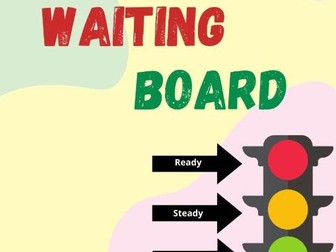
Some students find waiting challenging, so I have created a board to support them while waiting for an upcoming activity. This helps during times they struggle, even when using a now-and-next board within their visual schedules, which I consistently use with my pupils.
A resource designed to support expressive communication and the expression of opinions during social interaction and communication sessions. In this activity, called Greetings, students learn about turn-taking and social skills while also developing effective ways to express their opinions and make choices about how they would like to greet others. This gives them a voice and the opportunity to share their preferences, which can sometimes be very challenging.
Resource for special needs students to explore life in Roman times through a multi-sensory activity designed to support meaningful access to learning for students with special educational needs. Using slides with clear symbols for key vocabulary, learners engage their five senses by exploring carefully selected objects, sounds, textures, smells, and visuals linked to Roman life (e.g. clothing, food, buildings, and daily routines). Each slide focuses on one sense, allowing students to interact with real or replica objects and sensory experiences. This approach supports communication, engagement, and understanding by making abstract historical concepts concrete, accessible, and inclusive.
TACPAC, short for Touch and Communication programme, stands as a distinctive and inventive method aimed at enriching sensory experiences and communication for individuals with varying needs.
Contained within this document is a presentation with various slides, featuring symbols representing body parts, symbols depicting the objects used for tactile stimulation and a collection of songs intended for use during the activity.
Participants will engage in exercises focused on interactive social skills under the guidance of supporting adults. Communication is facilitated through responses to music, and the tactile stimuli presented at each moment.
Sensology endeavors to rouse the five fundamental senses (sight, hearing, touch, smell, taste) along with sensory systems related to movement: the vestibular (balance, head movements, and gravity) and the proprioceptive (body positions, body mapping, and planning movements). Each sense is activated and explored separately, often with the aid of a familiar song or rhyme to initiate the session, along with children observing themselves in a mirror.
Sensology is employed to bolster your child’s awareness, engagement, and ability to express preferences.
This is a sensology session about space, which intends to support sensory learners with their learning about the topic in a purposeful and meaningful manner.
Resource created for sensory students to be able to access RE in an appropriate way through TACPAC by exploring music and objects alongside symbols representing key words used throughout the lesson.
This resource is a social story designed to help students with special needs learn about keeping hands to themselves and using kind hands. It uses simple language and clear visuals to teach that hitting hurts others and to encourage safe, gentle ways to express feelings. This story supports social–emotional learning and helps students practice positive, respectful interactions at school and at home.


 Quick View