Metaphors Made Easy: Figurative Language Lessons for KS2/Second LevelQuick View
littlelearningcornerscotland

Metaphors Made Easy: Figurative Language Lessons for KS2/Second Level

(0)
Metaphors • Similes • Figurative Language • Narrative Writing • KS2 English • CfE Second Level • Literacy • Descriptive Writing • Imagery • Personification • Alliteration • Creative Writing Tasks • Guided Annotation Product Description Give your learners the tools to transform their writing with this engaging, narrative‑based figurative language resource designed for KS2 (England) and Second Level (Scotland). Packed with rich examples, scaffolded tasks, and creative challenges, this lesson pack helps pupils confidently identify, explain, and create metaphors, similes, and other descriptive techniques. Using two high‑quality narrative passages from the resource—featuring vivid lines such as “The rustling leaves whisper secrets to each other” and “the whole place transformed into a volcano ready to erupt with adventure”—pupils explore how writers use figurative language to build atmosphere, mood, and meaning. The resource includes guided practice, independent annotation tasks, and a creative target task where pupils generate their own metaphors and similes based on images. It also features clear learning intentions, success criteria, and a peer‑assessment activity to support reflection and improvement. What This Resource Helps Pupils Do Identify metaphors, similes, personification, alliteration, and imagery in narrative texts Explain the meaning and effect of figurative language Create original metaphors and similes with confidence Develop richer, more expressive descriptive writing Engage in structured peer feedback Why Teachers Love It Curriculum‑aligned with CfE and KS2 writing outcomes Ready‑to‑teach slides with no prep required Ideal for whole‑class modelling, literacy rotations, or writing workshops Supports reluctant writers through strong examples and scaffolded tasks Encourages deeper thinking about language choices. This resource is perfect for boosting narrative writing, strengthening literacy skills, and helping pupils bring their ideas to life with vivid, imaginative language. Let your learners discover the power of a well‑crafted metaphor.
Get to Know me WorksheetQuick View
littlelearningcornerscotland

Get to Know me Worksheet

(0)
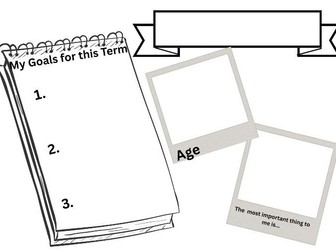
great adaptable get to know me/goal setting worksheet. Perfect for first days, new teachers going into a class, or a one-off supply lesson. Can also be used to then create a class charter from the goals section. Blank spaces for name, age, goals and drawings means it can be used all the way from P1/Year 1 - P7/Year 6 and beyond!
1. The Great Wave Art Lesson: Colour, Tone & Creative Exploration (First & Second Level)Quick View
littlelearningcornerscotland

1. The Great Wave Art Lesson: Colour, Tone & Creative Exploration (First & Second Level)

(0)
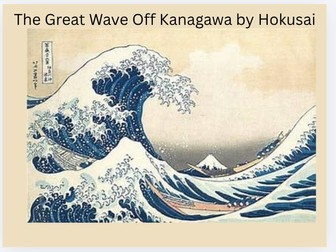
Bring iconic art into your classroom with this engaging lesson inspired by The Great Wave off Kanagawa by Katsushika Hokusai. Perfect for upper primary learners, this ready-to-use PowerPoint guides students through visual analysis, colour exploration, and creative expression. Students will learn how to use a limited colour palette, experiment with tone to create depth, and explore different art materials such as oil pastels and paint. The lesson includes clear learning intentions, success criteria, extension tasks, and peer assessment prompts to support reflection and progress. This lesson links well to cross-curricular topics such as Japan (culture and art history), natural disasters and oceans, and historical themes like RMS Titanic sinking. It encourages discussion around the power of nature and human interaction with the sea. Easily adaptable for both First and Second Level learners, this resource can be simplified or extended to suit a range of abilities, making it a flexible and valuable addition to any classroom.
Thinking Reader Strategies PowerPoint (Adaptable + Wall Display)Quick View
littlelearningcornerscotland

Thinking Reader Strategies PowerPoint (Adaptable + Wall Display)

(0)
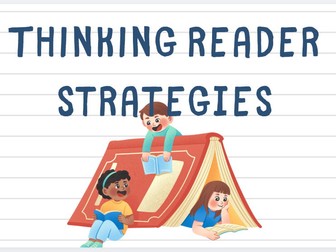
Support reading comprehension in a clear and engaging way with this Thinking Reader Strategies lesson. Designed for primary learners, this resource introduces six key strategies: prior knowledge, predicting, metalinguistics, visualising, inference, and summarising. Through simple explanations, examples, and prompts, pupils learn how to actively think while reading, helping them build deeper understanding and confidence. The slides encourage discussion, imagination, and critical thinking, making it ideal for whole-class teaching or guided reading sessions. This resource links well to literacy, comprehension skills, and cross-curricular reading activities across a range of topics and texts. Easily adaptable for both First and Second Level learners, it can be simplified or extended to suit different abilities. It also works perfectly as a bright and informative wall display, reinforcing key reading strategies throughout the year.
Positive Praise Tickets (CfE / Primary Classroom)Quick View
littlelearningcornerscotland

Positive Praise Tickets (CfE / Primary Classroom)

(0)
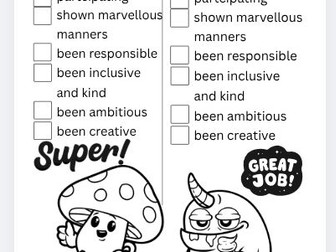
Here’s a strong TES-style title and description for your resource: Title: Well Done Certificates – Positive Behaviour Rewards (CfE / Primary Classroom) Description: Celebrate pupil success with these simple and effective “Well Done” certificates, perfect for recognising positive behaviour and effort in the classroom. Each certificate highlights key values such as focusing, participating, kindness, responsibility, creativity, and ambition—supporting a positive classroom ethos aligned with Curriculum for Excellence. Ideal for daily rewards, end-of-week recognition, or whole-school celebrations, these certificates are easy to print and use. The editable name space allows you to quickly personalise for any pupil. ✔ A4 printable format ✔ Promotes positive behaviour and achievement ✔ Suitable for all primary stages ✔ Quick, low-prep classroom reward A great way to motivate learners and build confidence through meaningful praise.
Figurative Language Lesson – Similes, Metaphors, Personification & Hyperbole (CfE)Quick View
littlelearningcornerscotland

Figurative Language Lesson – Similes, Metaphors, Personification & Hyperbole (CfE)

(0)
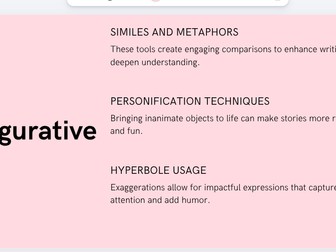
Engage learners with this interactive figurative language lesson, designed to help pupils understand and use similes, metaphors, personification, and hyperbole in their writing. This resource includes clear definitions, discussion prompts, and partner activities to encourage collaborative learning. A motivating reading text based on William Wallace allows pupils to identify figurative language in context and explore its impact on writing. Perfect for developing literacy skills, creativity, and deeper comprehension, this lesson encourages pupils to think about why authors use figurative language and how it enhances meaning. ✔ Suitable for First and Second Level learners ✔ Encourages discussion and active participation ✔ Includes model text and analysis opportunities ✔ Supports reading and writing development A great resource for making writing more engaging, expressive, and memorable.
Inference and Literal QuestionsQuick View
littlelearningcornerscotland

Inference and Literal Questions

(0)
Enhance your pupils’ reading comprehension with this engaging PowerPoint on Inference and Literal Questions. Perfect for KS2 classrooms, this resource clearly explains the difference between literal and inferential thinking using relatable examples and interactive pair activities. Ideal for guided reading sessions or whole-class discussions, it helps students develop deeper understanding by exploring clues from text, illustrations, and character behaviour
Data Handling Wall DisplayQuick View
littlelearningcornerscotland

Data Handling Wall Display

(0)
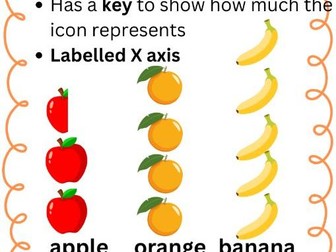
Posters for data handling working wall display. These posters cover all area of the information handling topic for KS2/2nd level, including line graphs, pictographs, bar charts, pie charts and explaining data handling. The display is visual, and uses dyslexia-friendly fonts.