This Foundations First unit provides a clear, consistent and calm approach to early addition and subtraction.
Each lesson follows the same predictable structure, supporting independence, retrieval and deep early number sense.
What’s Included
✔ 12 full PowerPoint lessons
✔ Daily Do Now activity
✔ Retrieval slide
✔ I Do → We Do → You Do modelling
✔ Visual representations (counters, tens frames, objects)
✔ Concrete prompts (minimal resources)
✔ Success criteria and metacognition language
✔ Low‑cognitive‑load design across all slides
Lesson Coverage
Counting on
Counting back
Combining two groups
Taking away
Finding the difference
Number bonds
Part‑whole relationships
Addition & subtraction within 10
Why Foundations First?
Consistent visuals
Predictable routines
Minimal worksheets
Calm learning environment
Particularly supportive for SEND and EAL learners
Try Lesson 1 for FREE in my TES shop before purchasing.
This complete 3‑week EYFS Place Value unit is designed using the Foundations First approach — consistent, calm and evidence‑informed teaching that reduces cognitive load and builds secure early number understanding.
Every lesson follows a predictable structure so children know what to expect, feel confident, and experience success.
Perfect for Reception teachers, ECTs, leaders building consistent pedagogy, and settings looking for SEND‑friendly maths planning without overwhelm.
What’s Included
This download contains everything you need for a full half‑term of early number teaching:
15 Full Lessons (PowerPoints)
Each lesson includes:
Do Now – immediate, independent warm‑up
Learning Objective & Success Criteria – metacognition-friendly language
Retrieval – strengthens memory through daily recall
I Do – clear modelling
We Do – guided practice
You Do – independent application
Consistent visual cues for remember, understand, apply
Minimal, consistent resources (counters, tens frames, rekenreks)
Printable Resources
Subitising slides
Tens frame images
Concrete-to-visual scaffolds
Simple teacher notes where needed
Pedagogical Guide
A short, user-friendly explanation of:
Cognitive Load Theory
Gradual Release (I/We/You Do)
Why consistent visual design supports independence
How the lessons build number composition and understanding
Unit Coverage
Fully aligned with the EYFS Early Learning Goals (Number):
Children will:
Subitise up to 5
Recognise numerals to 10
Count with accuracy
Understand the cardinal principle
Compare quantities
Explore number composition to 10
Notice patterns (doubles, odds/evens)
Use concrete and visual representations confidently
Why Foundations First?
This unit is built around a simple belief:
Children learn best when the lesson stays consistent, predictable and uncluttered.
With Foundations First, you get:
Calm, clean slides
Reduced visual noise
A structure children quickly internalise
A resource designed with SEND learners in mind
Retrieval built into every lesson
Progression that feels natural — not overwhelming
No endless printing or preparation
Teachers love this approach because it saves time and creates calmer maths sessions.
Key Features
15 sequenced lessons
Low cognitive load slide design
Mixed concrete + visual modelling
Repeated structures for confidence
EYFS-appropriate language
Suitable for whole class, groups and interventions
Works alongside any mastery curriculum
Try Before You Buy
Download Lesson 1 for FREE to see the layout, visuals and teaching approach.
Search:
FREE SAMPLE – EYFS Maths Place Value: Lesson 1 (Foundations First)
A complete EYFS maths lesson designed to introduce simple addition and subtraction using clear visuals, minimal resources and predictable lesson routines.
This lesson includes:
Do Now
Learning Objective + Success Criteria
Retrieval
I Do modelling
We Do guided practice
You Do independent task
Concrete prompts (counters, tens frames)
Clean, consistent Foundations First layout
Perfect if you’re looking for a calm, structured approach to early calculation without overwhelm.
Use this free sample to preview the structure and visual design used across the full 12‑lesson Addition & Subtraction Unit.
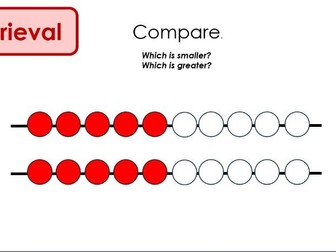
A simple, low‑cognitive‑load set of slides for comparing quantities to 10 using clear visuals and consistent representations. Perfect as a sample of the Foundations First maths approach.
This free resource introduces comparing quantities up to 10 using clean, consistent visuals. Designed through the Foundations First approach, it helps young learners focus on the maths — not the clutter.
Perfect for EYFS, Pre‑K, and Kindergarten classrooms wanting simple, predictable maths activities that build confidence.
What’s Included
PPT slides for comparing quantities to 10
Clear visual representations (dots, objects, tens-frame style images)
“Which has more?” / “Which has fewer?” tasks
I Do → We Do → You Do structure
Simple concrete prompt ideas (counters, small objects)
Aligned with early number sense progression
How It Works
Children practise comparing quantities using:
consistent slide layouts
side‑by‑side comparisons
controlled visual variation
short, sharp tasks
This supports:
cognitive load reduction
attention to the relevant feature (quantity)
independence through routine
early mathematical language (“more”, “fewer”, “same”)
Perfect For
Reception / EYFS
Pre‑K
Kindergarten
SEN/Intervention groups
Teachers introducing early number comparison
Anyone wanting a quick, ready‑to‑use maths warm‑up
Try This Before You Download the Full Unit
This freebie complements the full 3‑week Place Value Unit (15 lessons) in my Foundations First series.
Perfect for EYFS teachers looking for a clear, consistent and low‑cognitive‑load introduction to Place Value.
This free sample includes Lesson One from the full 3‑week Foundations First EYFS Place Value unit.
It showcases the structure, visuals and pedagogy used across the complete sequence.
What is Foundations First?
Foundations First resources are:
Designed around Cognitive Load Theory to reduce unnecessary distractions and focus attention on what matters.
Visually consistent, helping children recognise structures quickly and learn more efficiently.
Practical and sustainable – using minimal but consistent concrete resources such as counters, Rekenreks and tens frames.
Metacognition‑rich – children use “We are learning to…” and “Success looks like…” language from the very start.
What’s Included in the Free Sample?
Full Lesson One PowerPoint
Do Now task
Retrieval activity
“I Do – We Do – You Do” modelling sequence
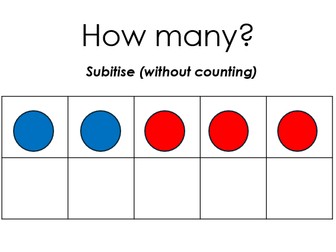
Subitising practice
Clear learning objective and success criteria
Consistent iconography for remember / understand / apply
Learning Focus (Lesson 1)
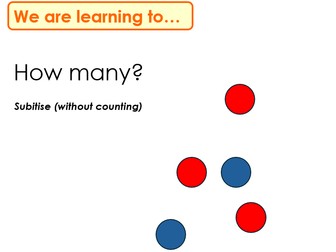
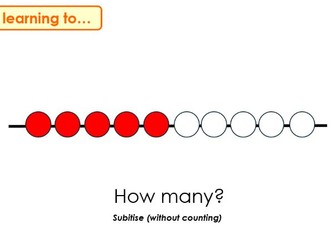
Subitising up to 5
Recognising quantities without counting
Introducing the Structures of 10
Building number confidence with immediate visual recognition
Why Teachers Love This Approach
No over‑complicated slides
No clutter
No expensive resource list
Predictable lesson structure → calmer classrooms
Designed for mixed-ability and SEND‑inclusive EYFS cohorts


 Quick View