Oxford AQA iGCSE -  Specialised CellsQuick View
yousefshah77

Oxford AQA iGCSE - Specialised Cells

(0)
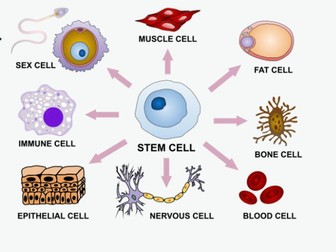
Complete specialised cells lesson for OxfordAQA International GCSE Combined Science (9204), with PowerPoint, information sheets and AFL. Designed for the Biology component of OxfordAQA International GCSE Combined Science Double Award (9204), this lesson covers specialised cells, their functions and adaptations. What’s included: Editable 32-slide PowerPoint (.pptx) with teaching explanations, activities and answers. Four-page information sheet PDF (.pdf) covering root hair cells, sperm cells, fat cells and cone cells. Retrieval starter with answers and a challenge question. Think–Pair–Share discussion linking features to functions. Information hunt activity with a table template and completed answers in the PowerPoint. Mini-whiteboard checks and written assessment for learning (AFL) tasks. Application questions exploring how changes to cell adaptations affect their function. Worked examples, sentence starters and extension questions. Additional examples include muscle cells, nerve cells, palisade cells and ciliated cells. Use the information sheets for a classroom information hunt or a desk-based reading activity. Students identify cell functions and adaptations, complete their comparison table, then apply their understanding to unfamiliar scenarios. Answer slides support self-assessment and corrections throughout. Suitable for KS4 / International GCSE Biology teaching. The editable PowerPoint can be adapted to your class’s needs and lesson pace.
Oxford AQA iGCSE - Tissues and OrgansQuick View
yousefshah77

Oxford AQA iGCSE - Tissues and Organs

(0)
Complete tissues and organs lesson for OxfordAQA International GCSE Combined Science (9204), with PowerPoint, activities, answers and AFL. Designed for the Biology component of OxfordAQA International GCSE Combined Science Double Award (9204), this lesson explores levels of organisation and how different tissues work together in animal and plant organs. What’s included: Editable 25-slide PowerPoint (.pptx) with teaching explanations, activities and answers. Retrieval starter revisiting specialised cells and adaptations. Three clear learning objectives with progress checkpoints. Think–Pair–Share discussions exploring how organs perform different functions. Paired “Tissue Detective” activity identifying stomach tissues using a diagram and clues. Mini-whiteboard checks on levels of organisation and animal tissue functions. Individual written AFL tasks for each learning objective, with answers for self-assessment. Pancreas application question with a model answer. Support prompts and challenge questions throughout. Content covered: Cells, tissues, organs, organ systems and organisms. Muscular, glandular and epithelial tissues. How different tissues work together in the stomach. The pancreas as an example of an organ. Plant organs: roots, stems and leaves. Epidermal tissue, palisade mesophyll, spongy mesophyll, xylem and phloem. Students move from identifying levels of organisation to explaining how tissues contribute to an organ’s function. Paired discussion and diagram activities develop understanding, while written tasks provide evidence of individual learning. Suitable for KS4 / International GCSE Biology. Activities can be completed using exercise books and mini-whiteboards, with no separate worksheets required. The editable PowerPoint allows teachers to adapt the lesson to their class. File supplied: PowerPoint presentation (.pptx).
Eukaryotes & Prokaryotes | Oxford AQA iGCSEQuick View
yousefshah77

Eukaryotes & Prokaryotes | Oxford AQA iGCSE

(0)
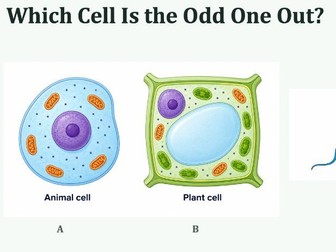
Complete, ready-to-teach lesson on eukaryotic and prokaryotic cells for AQA International GCSE Biology. 24 editable slides with built-in differentiation, AfL and model answers. WHAT’S INCLUDED 24-slide PowerPoint (fully editable) Answers and teaching prompts in the speaker notes Designed for book-based tasks (label, compare, apply) WHAT IT COVERS The structures of a bacterial (prokaryotic) cell and their functions Comparing prokaryotic and eukaryotic cells (nucleus, DNA, organelles, size, plasmids) Classifying an unfamiliar cell as prokaryotic or eukaryotic using evidence LESSON STRUCTURE Diagnostic starter with self-assessment (recaps animal & plant cells) “Odd one out” discussion hook Three clear learning objectives, each with a ✓ checkpoint Two mini-whiteboard assessment-for-learning rounds “Bacterial cell detective” investigation and labelling task Prokaryotic vs eukaryotic comparison table with a mixed answer bank “Are bacteria useful or harmful?” wider-understanding slide 4-mark exam-style “mystery cell” question with a model answer and mark guidance BUILT-IN DIFFERENTIATION Challenge and Stretch tasks on nearly every slide, plus early-finisher extensions and sentence starters for support. FORMAT Editable PowerPoint. Slide timings are included as a guide. Works as a standalone lesson or as a follow-on to Animal & Plant Cells.
Oxford AQA iGCSE Animal and Plant CellsQuick View
yousefshah77

Oxford AQA iGCSE Animal and Plant Cells

(0)
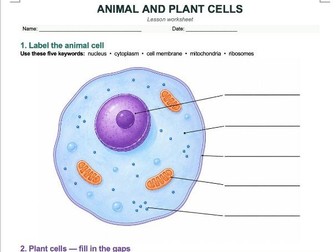
Animal & Plant Cells — Complete Lesson (AQA Oxford International iGCSE Biology) A ready-to-teach, fully-resourced lesson on animal and plant cells, built for AQA International GCSE Biology. Everything for a full 50–60 minute lesson is included — no extra prep needed. Just open the PowerPoint, hand out the worksheet, and teach. What’s included 24-slide PowerPoint (fully editable) Accompanying student worksheet (Word, editable) with a word bank for support Answers and teaching prompts in the speaker notes What it covers Animal cell structures and their functions (nucleus, cytoplasm, cell membrane, mitochondria, ribosomes) The three additional plant cell structures (cellulose cell wall, chloroplasts, permanent vacuole) Comparing animal and plant cells using biological evidence Lesson structure Starter with self-assessment “What does a cell need to survive?” discussion hook Three clear learning objectives, each with a ✓ checkpoint Mini-whiteboard assessment-for-learning activities Worksheet tasks built into the flow (label, fill-the-gaps, retrieval, apply) GCSE-style written comparison task with a model answer “Mystery cell” application task Exit ticket with acceptable-answer self-check Built-in differentiation Challenge and Stretch tasks on nearly every slide, plus a misconception alert and sentence starters to support lower-attaining students. Format Editable PowerPoint and Word files. Slide timings are included as a guide — adjust to fit your class. Cell diagrams are included on the slides and worksheet. Ideal for non-specialists covering biology, ECTs, or anyone wanting a polished, low-prep lesson that’s ready to go.
A-Level Biology Mitosis LessonQuick View
yousefshah77

A-Level Biology Mitosis Lesson

(0)
Starter with answers (questions on cell cycle) -Information hunt activity for the different stages of mitosis (answers given) -Exam question with answers Plenary questions with answers -Worksheet done end of the information hunt (matching statements with words) Made in line with OCR A-Level Biology