A complete set of gap-analysis spreadsheets for the 2026 KS2 SATs Maths, Reading and SPaG papers.
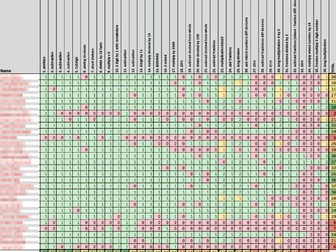
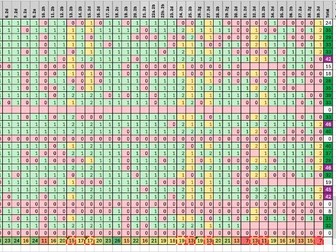
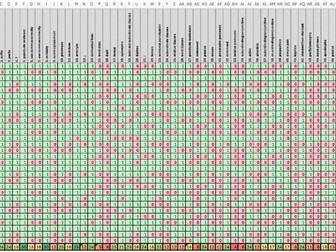
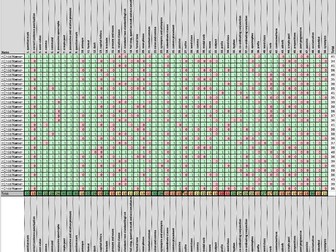
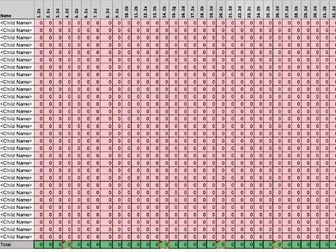
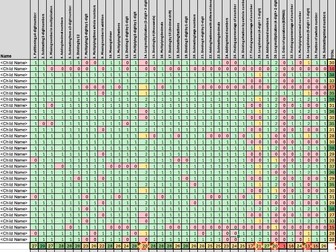
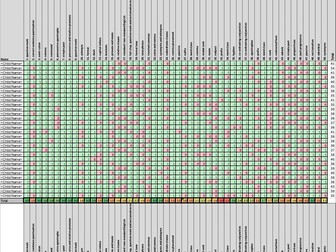
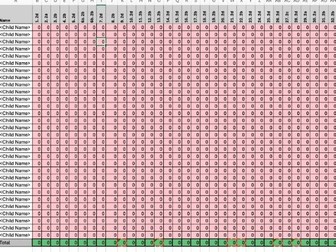
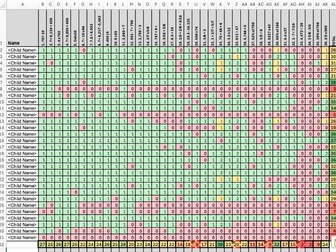
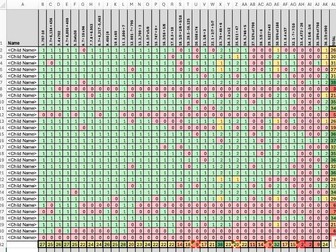
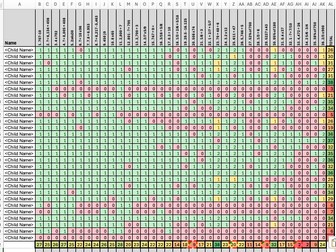
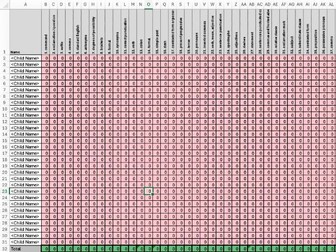
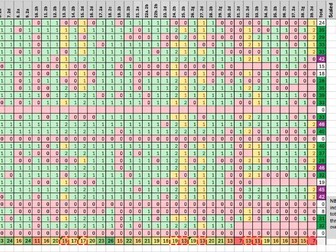
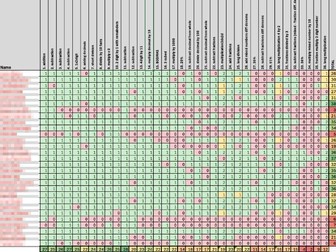
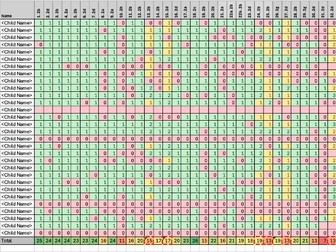
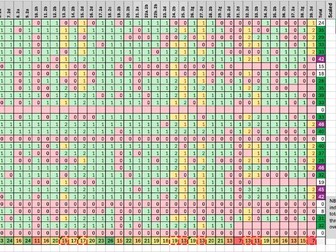
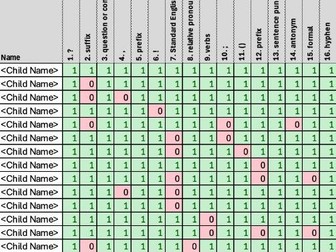
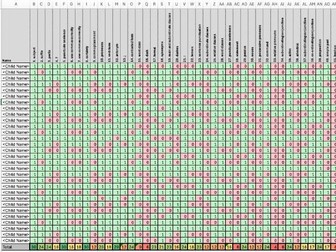
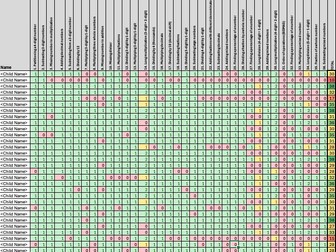
Enter pupils’ marks to automatically calculate and colour-code scores, making individual and whole-class strengths and gaps easy to identify.
Disclaimer: Independently created by a practising teacher. These are not official Department for Education or Standards and Testing Agency resources.
A question-level analysis spreadsheet for the 2026 Key Stage 2 Mathematics SATs papers.
Simply enter each pupil’s marks and the spreadsheet will identify strengths and gaps across the different areas of the maths curriculum. This makes it easy to see which objectives require further teaching and which pupils need additional support.
The resource includes analysis of:
Paper 1: Arithmetic
Paper 2: Reasoning
Paper 3: Reasoning
Individual pupil performance
Whole-class performance
Questions and objectives requiring further teaching
Ideal for:
Analysing the 2026 SATs papers
Identifying whole-class and individual gaps
Planning targeted intervention
Informing future teaching and curriculum planning
Supporting Year 6–7 transition
Providing clear assessment evidence for subject leaders and senior leaders
The spreadsheet automatically calculates scores and percentages, allowing teachers to quickly turn the pupils’ test results into useful and manageable assessment information.
This resource has been independently created by a practising teacher and is not an official Department for Education, Standards and Testing Agency or government-produced resource.
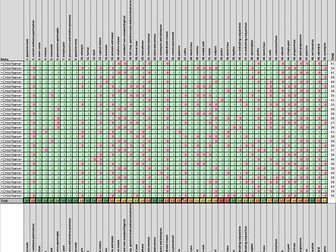
Enter pupils’ marks to automatically calculate and colour-code their scores, making individual and whole-class strengths and gaps easy to identify.
Includes analysis by question and reading domain, supporting targeted teaching, intervention and transition.
Disclaimer: Independently created by a practising teacher. This is not an official Department for Education or Standards and Testing Agency resource.
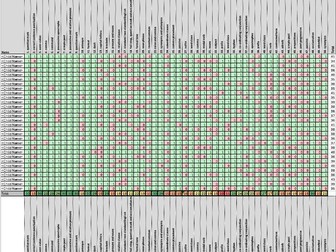
Enter pupils’ marks to automatically calculate and colour-code their scores, making individual and whole-class strengths and gaps easy to identify.
Includes analysis by question and SPaG skill, supporting targeted teaching, intervention and transition.
Disclaimer: Independently created by a practising teacher. This is not an official Department for Education or Standards and Testing Agency resource.
This editable spreadsheet provides a clear question-level gap analysis of the 2025 KS2 SPaG SATs, helping Year 6 teachers quickly identify strengths, weaknesses and priority areas.
Each question is labelled by grammar, punctuation or spelling skill, making gaps visible at skill level and supporting targeted teaching and revision.
The spreadsheet is set up for a class of 30 pupils, with all question numbers and calculations built in, and can be easily adapted for different cohort sizes.
Compatible with the 2025 KS2 SPaG SATs papers (not officially endorsed). A practical tool designed and used by a Year 6 teacher to support efficient SATs analysis.
This editable spreadsheet provides a clear question-level gap analysis of the 2025 KS2 Reading SATs, helping Year 6 teachers quickly identify strengths, weaknesses and priority areas.
Each question is labelled by reading skill, making gaps visible at skill level and supporting targeted teaching and intervention.
The spreadsheet is set up for a class of 30 pupils, with all question numbers and calculations built in, and can be easily adapted for different cohort sizes.
Compatible with the 2025 KS2 Reading SATs paper (not officially endorsed). A practical tool designed and used by a Year 6 teacher to support efficient SATs analysis.
This bundle includes question-level gap analysis spreadsheets for the 2025 KS2 SATs across Maths, Reading and SPaG, helping Year 6 teachers quickly identify strengths, weaknesses and priority areas.
Each spreadsheet is set up for a class of 30 pupils, with all question numbers, skills and calculations built in. Analysis is presented at question and skill level, supporting targeted teaching and intervention planning.
The resources are compatible with the 2025 KS2 SATs papers but have not been officially endorsed. They are practical tools designed and used by a Year 6 teacher, shared to support efficient SATs analysis.
This editable spreadsheet provides a clear question-level gap analysis of the 2024 KS2 SPaG SATs, helping Year 6 teachers quickly identify strengths, weaknesses and priority areas.
Each question is labelled by grammar, punctuation or spelling skill, making gaps visible at skill level and supporting targeted teaching and revision.
The spreadsheet is set up for a class of 30 pupils, with all question numbers and calculations built in, and can be easily adapted for different cohort sizes.
Compatible with the 2024 KS2 SPaG SATs papers (not officially endorsed). A practical tool designed and used by a Year 6 teacher to support efficient SATs analysis.
Fully editable (Excel / Google Sheets compatible). Simply enter pupil scores — no formulas need editing.
This editable spreadsheet provides a clear gap analysis of the 2025 KS2 Maths SATs, designed to help Year 6 teachers quickly identify strengths, weaknesses and priority areas.
Each SATs question is labelled by mathematical skill, making gaps visible at skill level and supporting targeted teaching and intervention.
The spreadsheet is set up for a class of 30 pupils, with all question numbers and calculations built in, and can be easily tweaked for different cohort sizes.
The resource is compatible with the 2025 KS2 Maths SATs papers but has not been officially endorsed. It is simply a practical tool designed and used by a Year 6 teacher, shared in the hope it may be useful.
This bundle includes question-level gap analysis spreadsheets for the 2024 KS2 SATs across Maths, Reading and SPaG, designed to help Year 6 teachers quickly identify strengths, weaknesses and priority areas.
Each spreadsheet is set up for a class of 30 pupils, with all question numbers, skills and calculations built in. Analysis is presented at question and skill level, supporting targeted teaching and intervention planning.
The resources are compatible with the 2024 KS2 SATs papers but have not been officially endorsed. They are practical tools designed and used by a Year 6 teacher, shared to support efficient SATs analysis.
This editable spreadsheet provides a clear question-level gap analysis of the 2024 KS2 Reading SATs, designed to help Year 6 teachers quickly identify strengths, weaknesses and priority areas.
Each SATs question is clearly labelled by reading skill content domain, making gaps visible at skill level rather than relying solely on overall scores. This supports targeted teaching and focused reading intervention.
The spreadsheet is set up for a class of 30 pupils, with all question numbers and calculations already built in. This can be easily tweaked to suit different cohort sizes if required.
The resource is compatible with the 2024 KS2 Reading SATs paper but has not been officially endorsed. It is a practical tool designed and used by a Year 6 teacher, shared in the hope it may be useful to others.
This editable spreadsheet provides a clear gap analysis of the 2024 KS2 Maths SATs, designed to help Year 6 teachers quickly identify strengths, weaknesses and priority areas.
Each SATs question is clearly labelled by mathematical skill, making gaps visible at skill level rather than relying on broad strand averages. This supports targeted teaching and intervention planning.
The spreadsheet is set up for a class of 30 pupils, with all question numbers, skills and calculations already built in. This can be easily tweaked to suit different cohort sizes if required.
The resource is compatible with the 2024 KS2 Maths SATs papers but has not been officially endorsed. It is a practical tool designed and used by a Year 6 teacher, shared in the hope it may be useful to others.
This editable spreadsheet provides a clear question-level gap analysis of the 2023 KS2 Maths SATs, designed to help Year 6 teachers quickly identify strengths, weaknesses and priority areas.
Each SATs question is clearly labelled by mathematical skill, making gaps visible at skill level rather than relying on broad strand averages.
The spreadsheet is set up for a class of 30 pupils, with all question codes and calculations already built in. This can be easily tweaked to suit different cohort sizes if required.
Features
Question-level analysis of the 2023 Maths SATs papers
Each question labelled by mathematical skill
Automatic calculation of scores, percentages and RAG ratings
Clear visual layout to highlight patterns and gaps
Fully editable
No formulas need editing – simply enter pupil scores for each question
Ideal for Year 6 teachers, maths leads and SLT looking for a quick, reliable way to analyse SATs outcomes and plan targeted intervention.
This bundle includes gap analysis spreadsheets for the 2023 KS2 SATs across Maths, Reading and SPaG, designed to help Year 6 teachers quickly identify strengths, weaknesses and priority areas.
Each spreadsheet is set up for a class of 30 pupils, with all question numbers, skills and calculations already built in. Analysis is presented at question and skill level, making gaps clear and supporting targeted teaching and intervention.
The resources are compatible with the 2023 KS2 SATs papers but have not been officially endorsed. They are practical tools designed and used by a Year 6 teacher, shared in the hope they may be useful to others.
Fully editable (Excel / Google Sheets compatible). Simply enter pupil scores — no formulas need editing.
This editable spreadsheet provides a clear question-level gap analysis of the 2023 KS2 SPaG SATs, designed to help Year 6 teachers quickly identify strengths, weaknesses and priority areas.
Each SPaG question is clearly labelled by language skill, making gaps visible at skill level rather than relying solely on overall scores. This supports targeted teaching and focused revision in the run-up to SATs.
The spreadsheet is set up for a class of 30 pupils, with all question numbers and calculations already built in. This can be easily tweaked to suit different cohort sizes if required.
The resource is compatible with the 2023 KS2 SPaG SATs papers but has not been officially endorsed. It is simply a practical tool designed and used by a Year 6 teacher, shared in the hope it may be useful to others.
This editable spreadsheet provides a clear gap analysis of the 2023 KS2 Reading SATs, designed to help Year 6 teachers quickly identify strengths, weaknesses and priority areas.
Each SATs question is clearly labelled by reading skill, allowing precise gaps to be identified without relying solely on overall scores. This makes patterns easy to spot and supports targeted reading intervention.
The spreadsheet is set up for a class of 30 pupils, with all question numbers and calculations already built in. This can be easily adapted to suit different cohort sizes if required.
The resource is compatible with the 2023 KS2 Reading SATs paper but has not been officially endorsed. It is simply a practical tool designed and used by a Year 6 teacher, shared in the hope it may be useful to others.
This Excel-based gap analysis spreadsheet is designed to support teachers in analysing pupil performance in the 2022 KS2 Maths SATs papers (Arithmetic and both Reasoning papers).
Teachers can quickly enter marks for each pupil and instantly see a clear picture of strengths and areas for development across the class, making it ideal for targeted intervention planning and post-test analysis.
What this resource does
Compatible with the 2022 National Curriculum KS2 Maths SATs papers
Allows teachers to enter individual pupil marks for each question
Automatically collates scores and highlights patterns across the cohort
Uses RAG colour-coding to clearly identify strengths and gaps
Provides a low-cost alternative to paid assessment software
Key features
Automatic colour-coding: 0 marks appear red; full marks appear green; partial marks (for 2- or 3-mark questions) appear yellow.
Row totals are colour-coded to show highest and lowest scores
Question-level analysis at the bottom of each sheet highlights which questions were strongest and weakest for the class
2- and 3-mark questions are weighted fairly so they do not distort the overall analysis
Spreadsheet structure
Four tabs in total: Paper 1: Arithmetic; Paper 2: Reasoning; Paper 3: Reasoning; Overall totals tab
Brief question descriptions are shown at the top and beneath totals to make analysis quick and intuitive
This spreadsheet makes gap analysis quick and visual, allowing teachers to clearly identify strengths and areas for development across a class. It supports targeted teaching and intervention by highlighting patterns at question level and is easy to use - simply enter pupil names and marks. The resource is reusable year after year and is particularly useful for Year 6 teachers and maths leads.
This resource is designed to support assessment and analysis of the 2022 KS2 Maths SATs papers. It is not endorsed by the Department for Education and has been created by a UK primary teacher to support colleagues during assessment and review.
This Excel-based gap analysis spreadsheet has been designed to support teachers in analysing pupil performance in the 2022 KS2 SATs papers. It allows teachers to input scores for a class of up to 30 pupils, with the flexibility to add or remove pupils as required.
All formulas are fully inbuilt, enabling teachers to simply enter marks while the spreadsheet automatically collates results. This provides a clear overview of strengths and areas for development, helping teachers to quickly identify patterns across the class and use this information to inform targeted teaching and intervention planning.
The spreadsheet has been created to complement the 2022 SATs papers and mark schemes, supporting effective post-test analysis. While this resource is not endorsed by the Department for Education or any national curriculum body, it has been designed by a UK primary teacher to support colleagues during assessment and review.
This Excel-based gap analysis spreadsheet has been designed to support teachers in analysing pupil performance in the 2019 KS2 SATs Reading paper. It allows teachers to input scores for a class of up to 30 pupils, with the flexibility to add or remove pupils as needed.
All formulas are fully inbuilt, meaning teachers simply enter marks and the spreadsheet automatically collates the data. This provides a clear overview of strengths and weaknesses, enabling teachers to quickly identify patterns across the class and use this information to inform targeted teaching and intervention planning.
The spreadsheet has been designed to complement the 2019 Reading SATs paper and mark scheme, supporting post-test analysis and review. While this resource is not endorsed by the Department for Education or any national curriculum body, it has been created by a UK primary teacher to support colleagues during assessment and planning.
This Excel-based gap analysis spreadsheet has been designed to support teachers in analysing pupil performance in the 2019 KS2 SATs Spelling, Punctuation and Grammar (SPaG) paper. It allows teachers to input scores for a class of up to 30 pupils, with the flexibility to add or remove pupils as required.
All formulas are fully inbuilt, enabling teachers to simply enter marks while the spreadsheet automatically collates results. This provides a clear, question-level overview of strengths and areas for development, helping teachers to quickly identify patterns across the class and use this information to inform targeted teaching and intervention planning.
The spreadsheet has been created to complement the 2019 SPaG SATs paper and mark scheme, supporting effective post-test analysis. While this resource is not endorsed by the Department for Education or any national curriculum body, it has been designed by a UK primary teacher to support colleagues during assessment and review.
This Excel-based gap analysis spreadsheet has been designed to support teachers in analysing pupil performance in the 2022 KS2 SATs Spelling, Punctuation and Grammar (SPaG) paper. It allows teachers to enter scores for a class of up to 30 pupils, with the flexibility to add or remove pupils as required.
All formulas are fully inbuilt, meaning teachers simply enter marks and the spreadsheet automatically collates results. This provides a clear, question-level overview of strengths and areas for development, enabling teachers to quickly identify patterns across the class and use this information to inform targeted teaching and intervention planning.
The spreadsheet has been created to complement the 2022 SPaG SATs paper and mark scheme, supporting effective post-test analysis. While this resource is not endorsed by the Department for Education or any national curriculum body, it has been designed by a UK primary teacher to support colleagues during assessment, review, and planning.


 Quick View