Writing Text & Genre Map
How to use this map
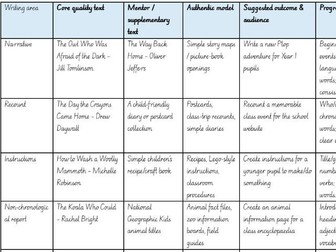
This map is designed to sit alongside the Writing Progression Plan and the Writer’s Toolkit. It is not intended
as a rigid reading scheme. Instead, it gives each writing area a rich stimulus, a useful mentor text or text type,
an authentic real-world model, and a purposeful outcome for pupils.
· Core quality text: the story, picture book or nar rative non-fiction that c reates the context
and gives pupils something worth writing about.
· Mentor text: a text selected because it demonstrates a particular writerly choice,
structure, voice or technique.
· Authentic model: a real example of the genre – newspaper, leaflet, recipe, field guide,
speech, letter, manual, article or similar.
· Writing outcome: a meaningful piece with a clear audience and purpose rather than a
feature-spotting exercise.
· Progression focus: the age-appropriate language, grammar, organisation and punctuation
Fiction • Non-Fiction • Poetry
A progressive framework for developing confident, purposeful and increasingly sophisticated writers.
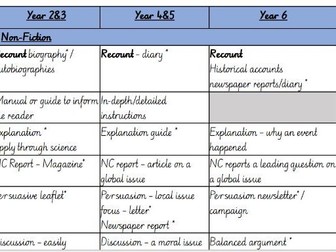
The Genre Map provides a clear progression in the forms of writing pupils encounter and produce, alongside detailed expectations for each year group.
Rather than viewing genres as isolated units, the map helps teachers consider how pupils’ understanding of purpose, audience, structure and language choices develops as they move through the school.
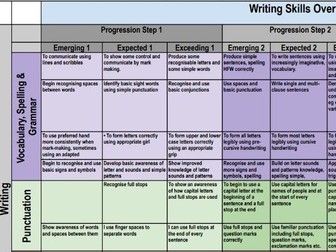
A progressive set of writing skills with a clear SPaG focus, outlining the grammatical, punctuation and sentence-level expectations for each year group. The progression supports teachers in identifying what skills should be introduced, developed, secured and applied independently, ensuring that SPaG is taught purposefully and then used effectively within pupils’ wider writing.
Circle Time
Building Relationships • Encouraging Collaboration • Reflecting on Behaviour
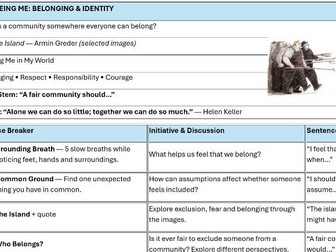
A structured 5–6 week Circle Time programme designed to strengthen relationships, develop collaboration and support positive behaviour across the school.
What does it involve?
25 minutes each day of purposeful, engaging Circle Time activities.
Across the programme, pupils will have opportunities to:
Build positive relationships with peers and adults
Work collaboratively and develop teamwork skills
Communicate effectively and listen to others
Reflect on their own behaviour and the impact it has on others
Explore school rules and expectations in a meaningful way
Develop empathy, respect and responsibility
Practise resolving disagreements and making positive choices
Celebrate progress as individuals and as a group
5–6 Weeks of Progressive Activities
Each week has a clear focus, with daily 25-minute sessions building on previous learning:
Week 1 – Building Our Circle
Getting to know one another, trust, belonging and creating a safe space.
Week 2 – Working Together
Collaboration, communication, listening and teamwork.
Week 3 – Relationships & Respect
Understanding others, empathy, kindness and positive relationships.
Week 4 – Our Behaviour & Our Choices
Reflecting on behaviour, consequences and taking responsibility for our actions.
Week 5 – Living Our School Rules
Connecting everyday situations and choices directly to school rules, values and expectations.
Week 6 – Reflect, Celebrate & Move Forward
Recognising progress, celebrating successes and agreeing how positive behaviours will continue beyond the programme.
More Than Just Circle Time
The programme isn’t simply about knowing the school rules. It gives pupils regular opportunities to talk, listen, collaborate, reflect and practise what those expectations look like in real situations.
25 minutes a day. 5–6 weeks. One shared goal: stronger relationships, better collaboration and more thoughtful choices.


 Quick View