 Quick View
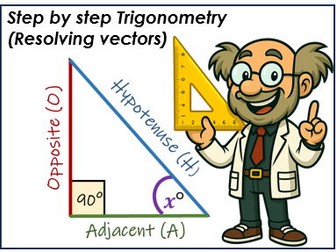
Vector Diagrams Step-by-Step
A clear, student-friendly step-by-step guide to constructing and analysing vector diagrams.
This visual resource breaks down vector diagrams into simple, manageable steps.
Students learn how to:
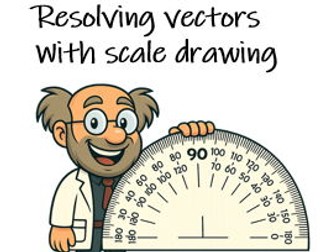
• Draw force vectors to scale using a ruler and protractor
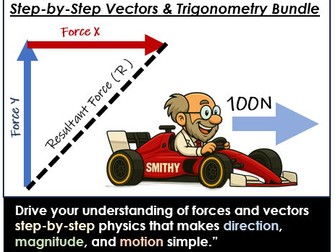
• Apply the tip-to-tail method to combine forces
• Draw and measure the resultant force
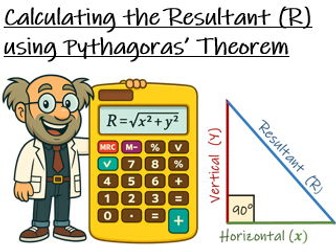
• Find both the magnitude and direction of a resultant
Includes clear diagrams, labelled examples, and a worked example of a 5 N North and 4 N East scenario leading to a 6.4 N resultant.
Ideal for supporting lessons, revision, or independent study for mixed-ability classes.