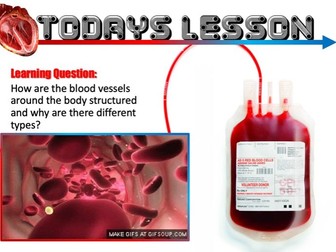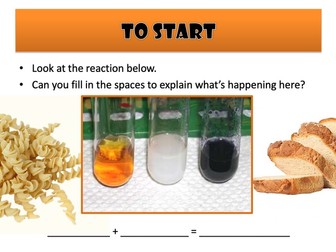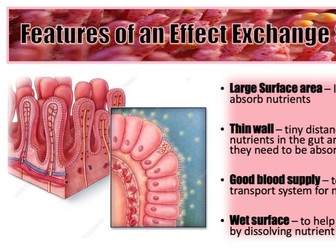
A set of slides looking at villi structure and their role in absorption nutrients within the digestive system. Includes slides supporting a classic visking tubing experiment.
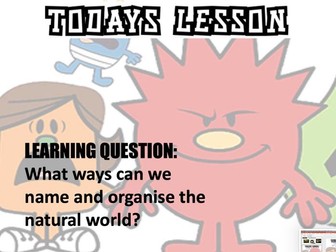
Set of resources introducing the idea of classification and the need for systems to organise masses of information.
Includes resources for students to use over two lessons to build their own dichotamus key to classify Mr Men characters.
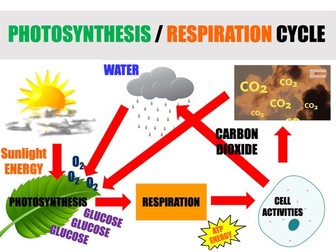
A series of different activities and a set of slides getting students to consider the similarities and differences between respiration and photosynthesis.
Requires some printing but worth it!
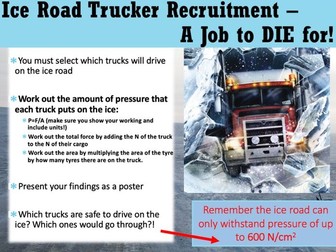
SLide show on pressure and how to calculate it and then an activity for students to compare the pressure exerted by different trucks on ice roads and decide on safer transport options! Nice intro clip included too.
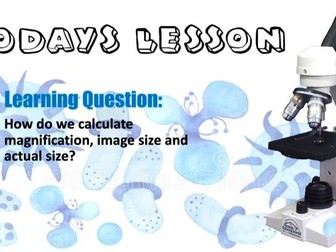
A range of resources to get students practicing how to calculate magnification both simply, by checking eye piece and objective lens mags, and using the IAM triangle.
A set of slides and cards on trends and patterns seen across the periodic table - great way to explore the table, the patterns in numbers, properties and reactivity and look at the features of the different groups.
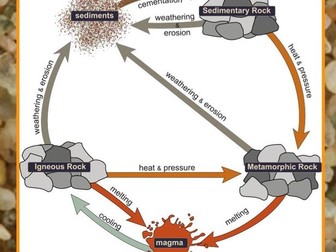
A slide show looking at weathering and erosion and the effects on rock. Includes different activities including venn diagram sheets and task cards. Rocks don’t have to be boring!
Slides that highlight the importance of classifying and gives examples of places in life where this is exemplified.
Discussion of dichotomous keys and then a range of different resources that allow for students to make their own to classify either known species or Mr Men to extend and enhance the need for creative thinking.
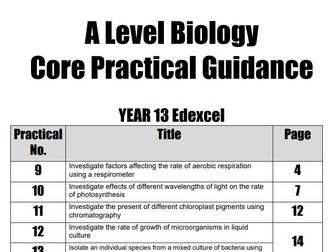
A booklet of guidance suggestions, practical method reminders and then applicable sets of exam questions for each with associated mark schemes.
Covers Edexcel A Level Biology B core practicals 9-16.
Note: exam questions are from a range of sources including, but not limited to, Edexcel.
Slide show explaining that chemical reactions are effectively just rearranging atoms into new configurations, that set arrangements take place between certain elements and these can be demonstrated by playing Chemical Reactions Dice!
Nice set of slides and resources looking at the structure of DNA, base paring and a range of modeling activities, diagrams for labeling / colouring and origami.