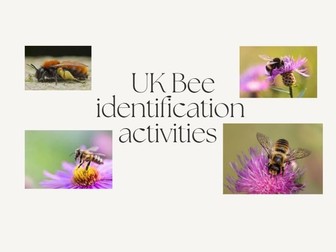
World Bee Day is on 20th May. This engaging resource helps children and adults learn to identify different types of bees, with cross-curricular links to Maths, Science, PSHE, outdoor learning, and more.
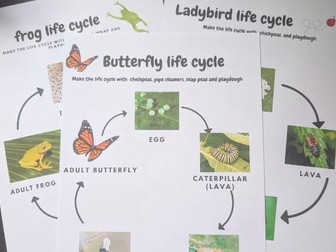
“This hands-on home learning activity is designed for EYFS and children with SEN, helping them explore the life cycles of frogs, butterflies, and ladybirds in a fun, accessible way. By making each stage themselves, children can learn at their own pace through purposeful play. This interactive experience supports memory, encourages language development, and builds scientific understanding in a way that’s both engaging and easy to follow at home.”
Tips for Parents and Teachers:
Model the activity first – Show each step slowly and clearly before asking your child to try.
Use simple, clear language – Describe each stage using words your child can understand and repeat.
Repeat key vocabulary – Words like “egg,” “caterpillar,” “larva,” and “pupa” will stick better with repetition.
Incorporate sensory play – Use textures (like cotton balls for eggs or pasta for larvae) to keep it tactile and fun.
Celebrate progress – Praise effort, not just the final product, to build confidence and engagement.
Keep sessions short and focused – Especially helpful for children with shorter attention spans.
Ask open-ended questions – For example, “What do you think happens next?” to encourage thinking and speaking.
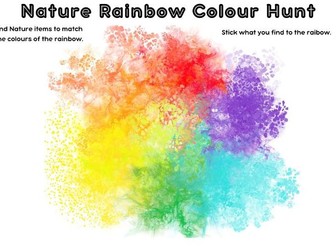
The Rainbow Nature Colour Hunt is a fun and educational activity designed to teach children about color, texture, and the wonders of the natural world. It combines outdoor exploration with hands-on learning, helping kids observe and engage with the environment while enhancing their understanding of the world around them.
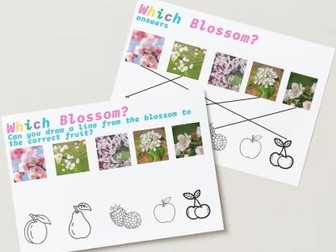
This worksheet is designed to help children identify different types of blossoms on trees while learning about the process of how fruits grow from plants. It also serves as a mindful activity, encouraging kids to slow down, enjoy the present moment, and connect with nature. Here’s how this activity is both educational and engaging:
This activity encourages kids to explore biology, develop various academic skills, and deepen their understanding of the animal world.
Example Activity Ideas
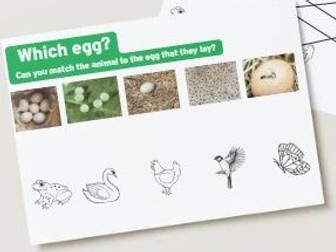
Egg Identification Challenge: Provide photos or real eggs (if safely possible) and have kids guess which animal laid each egg based on size, shape, and color.
Create an Egg Observation Journal: Have students document their findings, drawing the eggs and describing the animals, and tracking when and where the eggs are typically found.
Hatching Simulation: Watch videos of eggs hatching (like from birds or reptiles) to help kids visualize the process and better understand the importance of eggs in the animal kingdom.
This activity encourages kids to explore biology, develop various academic skills, and deepen their understanding of the animal world.
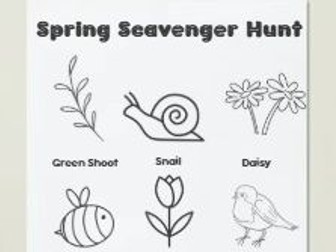
A spring scavenger hunt isn’t just fun—it’s a hands-on way for kids to learn and grow across many areas.
This worksheet provides cross curricular links to
Science & Nature
Language & Literacy
Maths
Creativity & Art
Social & Emotional Skills
Critical Thinking
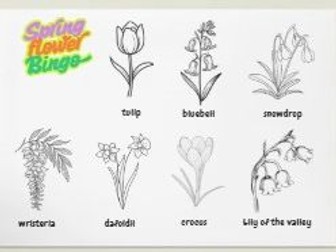
This activity supports observational skills, sensory exploration, and vocabulary development by encouraging children to notice and describe the characteristics of flowers. It fosters a deeper connection to nature, enhances scientific curiosity, and introduces foundational botanical knowledge in an engaging, hands-on way. By learning the names and features of spring flowers, children also build memory and language skills while developing an appreciation for seasonal changes and biodiversity."
EYFS (Early Years Foundation Stage):
This activity supports the EYFS learning goals by promoting Understanding the World, particularly the Natural World. Children develop communication and language skills through descriptive language, while sensory exploration encourages personal, social, and emotional development. It also nurtures curiosity and observation—key aspects of early scientific thinking.
Montessori Approach:
Aligned with Montessori principles, this activity provides a hands-on, child-led learning experience. It encourages independence, concentration, and sensory engagement, allowing children to explore real-life materials. Naming flowers builds vocabulary and connects abstract concepts with tangible experiences, supporting the Montessori belief in connecting children to nature.
SEN (Special Educational Needs):
For children with SEN, this activity can be adapted to support multi-sensory learning, catering to different learning styles and abilities. It enhances fine motor skills through gentle touch and exploration, supports language development through repetitive naming and descriptive words, and can be calming and grounding, offering a mindful experience that fosters emotional regulation and connection to the environment.
 Quick View

 Quick View
 Quick View
 Quick View
 Quick View
 Quick View
 Quick View