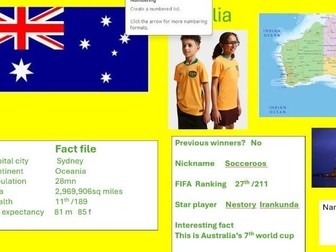
Contains a template which the students then choose a Country
An exampler of Australia is used
A gift for geographers - catch them what they are interested in
This is my April fools lesson I keep on file and give to KS3 classes on April 1st.
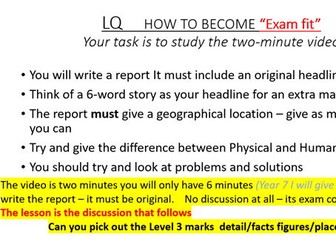
The learning question is "How do I become exam fit"
The lesson is a power-point which prepares them to answer a timed examination question using key terms based a two minute video clip (The BBC classic Spaghetti farming)
Students are given a chance to recall knowledge of physical and human factors in farming.
Before the video clip they are shown a mark scheme. A scaffolding page is provided.
The teacher prints out an exam question page which is similar to a GCSE qn.
0R a heavily differentiated fill in the gaps type page
Once the video has been shown they need to be writing - the pace needs to be immediate, They are under exam conditions the second the clip starts.
I have included a you tube clip at the end to show how spaghetti is made. SPOILER It’s not grown on trees
I always enjoyed this lesson it ticks the box on bringing fun into the classroom and taking risks. Educationally it does reinforce the lessons on Physical and Human factors and makes think about timings in exam situations
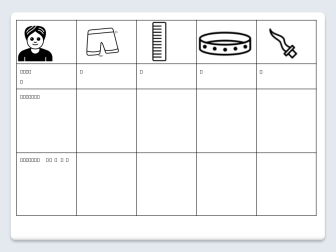
This powerpoint uses the noun project to give simple diagrams of the 5 k’s. It is differentiated throughout with a clear handout. A video clip is embedded in the resource. I added a stretch and challenge examination type question
The resource is a power point and a work sheet for homework (for parents / guardians to complete,
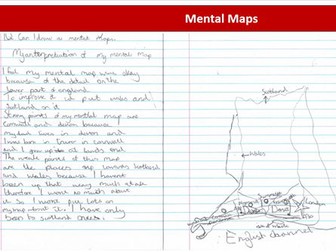
Students are given 2 minutes in examination conditions to draw a map of Britain.
It is explained it is a mental map - they us a page of their book to put as much information as possible. They will ask questions such as do we include Ireland etc. The answer to all questions is to read the instructions.
A discussion takes place using the work they have completed, a visualiser is helpful but not essential. The students cannot be wrong, expect bias to their own region, far away places become pointy, Important places like capital cities are located in the middle
Pages on the power point are examples of previous work.
The highlight of the lesson is the reveal that parents have to do the activity fro homework, the student is the teacher at home ensuring examination conditions.
The benefit of this lesson is it engages the students immediately and I found it also engages parents - it is the first thing they want to talk about in parents evening
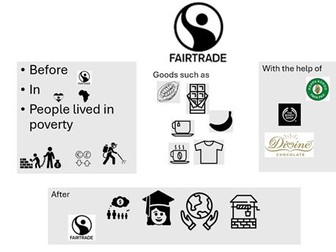
A detailed lesson using the noun project Using a case study of Divine Chocolate and the Kuapa Kokoo cooperative in Ghana. To be used in the Economic world section of the AQA gcse Human paper.
Top end students have a named places and named companies to achieve level 3 marks.
Lower ability have a visual stimulus that can access the case study with little writing.
I taught Fair trade for many years, I had the opportunity of visiting Ghana with 6th form Geographers. We went to a presentation by Kuapa Kokoo and went to a fair trade farm. As a teacher it fell into place about one word “PREMIUM”
I developed this lesson n the strength of that using the noun project.
A powerpoint shows the full story in simple diagrams. The discussion is important to emphasis how the consumer is willing to pay more for a fair trade product. The difference between the standard price and the fair trade price is the premium.
Kuapa kokoo is the fair trade cooperative. Farmers join the cooperative to get the benefits of the premium …but they must follow fair trade rules. Children must attend school, no unsustainable chemicals on the land, women are treated equally. Communities benefit by clean water, health, education. Fair trade is not a charity
I am charging £5 for this resource and will give £1 to fair trade for every purchase.
I have used my A level students to teach small groups of year 10s with this resource
 Quick View

 Quick View
 Quick View
 Quick View
 Quick View