War & Warfare: Unit 1 - Sparta at War (Lesson 1)Quick View
christiangwb

War & Warfare: Unit 1 - Sparta at War (Lesson 1)

(0)
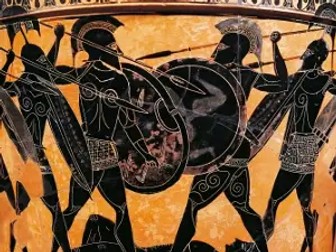
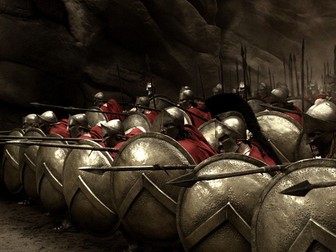
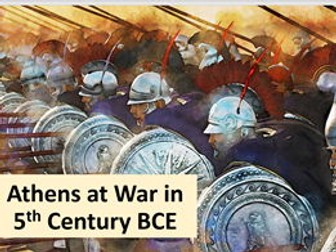
KS4 lesson for Unit 1: Sparta at War in the 5th Century BCE, from the OCR Classical Civilisation GCSE. The lesson objective is an in-depth study of the structure and organisation of Spartan society in the 5th Century BCE, including a focused look at the raising of Spartan boys, to understand how this enabled them to be such a formidable militaristic force in the ancient world. Accessible for all ability groups and the resources are easily differentiated for more and less academically able students. This lesson includes… ISM introduction starter to the ancient world in the 5th century bce, Diagram, worksheet and information task on the structure of Spartan society, with linked video resource for contextual understanding of helots. Keyword/Homework task for keywords relating to this unit. Table and colourful poster task, with visuals, on the Training, Recruitment, Equipment and Tactics of Spartans. Includes extension task focusing on study of the primary source account of the battle of Mantinea by Thucydides. Focused study, with linked video resource, on the role of the kyrpteia within context. Diagram labeling (and explaining) activity of a Spartan hoplite. Homework/plenary and consolidation task of populating a timeline of a Spartan boy’s education and training.
War & Warfare: Unit 1 - Sparta at War (Lesson 3)Quick View
christiangwb

War & Warfare: Unit 1 - Sparta at War (Lesson 3)

(0)
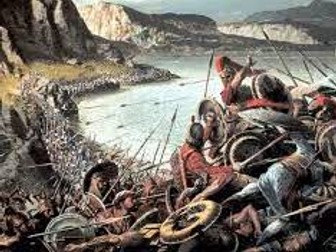
KS4 lesson for Unit 1: Sparta at War in the 5th Century BCE, from the OCR Classical Civilisation GCSE. The lesson objective is an in-depth study of the battle of Thermopylae, looking at the sources, causes, events and significance/impact. Accessible for all ability groups and the resources are easily differentiated for more and less academically able students. This lesson includes… Key-word match-up starter task, based on Lesson 1’s key individuals homework/research task. Study of Herodotus as a reliable source for the battle of Thermopylae. Contextual study of the geography and topography of the ‘Hot Gates’ of Thermopylae, in the 5th Century BCE. Summary of the events of the battle, with a linked video resource and use of Herodotus’ account. Cartoon strip activity, summarising the battle, using a template and colourful information posters. Also included is an extension task, comparing Herodotus’ account to the later historians of Diodorus and Siculus. A series of [1] and [2] mark practise exam-style questions based on the previous task. Visual source study of the prescribed visual source - red-figure kylix of a Greek and Persian fighting. Study of the impacts and significance of the Spartan loss in the battle of Thermopylae.
War & Warfare: Unit 1 - Sparta at War (Lesson 2)Quick View
christiangwb

War & Warfare: Unit 1 - Sparta at War (Lesson 2)

(0)
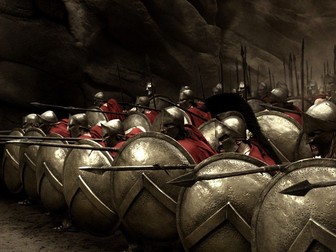
KS4 lesson for Unit 1: Sparta at War in the 5th Century BCE, from the OCR Classical Civilisation GCSE. The lesson objective is an in-depth study of the structure and command of the Spartan army in the 5th Century BCE, to understand how this enabled them to be such a formidable militaristic force in the ancient world. This includes a brief assessment of the ancient sources we use to inform the lesson (Plutarch and Xenophon), a visual/literary summary of the lesson objective and a [6] mark practice exam-style question with guidance and a modeled start. Accessible for all ability groups and the resources are easily differentiated for more and less academically able students. This lesson includes… Key-word match-up starter task, based on Lesson 1 in this unit, recapping the 8 main keywords introduced last lesson. Recap task on the phalanx formation, with a linked video resource from Horrible Histories. Table and colourful poster task, with visuals, on the Structure and Command of the Army, Idealisation of War & Warfare, with a series of [2] mark practise exam-style questions. Study of the primary sources for this unit, Plutarch and Xenophon, with linked video resources and a visual diagram to aid. A [6] mark practice exam-style question with guidance and a modeled start, utilising the visual aid from the previous task to help. Also includes peer-marking instructions.
War & Warfare: Unit 1 - Sparta at War [REVISION AND ASSESSMENT]Quick View
christiangwb

War & Warfare: Unit 1 - Sparta at War [REVISION AND ASSESSMENT]

(0)
KS4 revision/consolidation lesson for Unit 1: Sparta at War in the 5th Century BCE, from the OCR Classical Civilisation GCSE. The lesson objective is to revise and consolidate knowledge of Sparta, from the structure and organisation of Spartan society, and the education, training, recruitment of Spartan boys, to the causes, events and significance of the battle of Thermopylae. Accessible for all ability groups and the resources are easily differentiated for more and less academically able students. This lesson includes… A knowledge organiser for Unit 1, featuring summarised sections for each of the core areas on the OCR specification. For the main part of this lesson, students should directed to use the Knowledge Organiser to target the area they are least confident on and create a revision resource of their own - flashcards, revision clock etc. A primary source match-up activity, connecting our three sources (Plutarch, Xenophon and Herodotus) to their respective backgrounds/context and thus how reliable they are. Focused look at the two assessment objectives through the frame of an [8] mark practise exam question - ‘It was only because they were outnumbered that no Spartans survived the battle at Thermopylae.’ How far do you agree with this statement? Justify your response.[8] There is also a modeled exemplar of the first paragraph for this [8] mark Q. A 40 mark end-of-unit assessment, featuring a range of question types, with a separate visual source handout to accompany. Assessment instructions. Assessment answers document. Assessment self/peer-marking instructions, including modeled feedback for self-reflection.
OCR Classical Civilisation GCSE, Component 2: War & Warfare Knowledge OrganisersQuick View
christiangwb

OCR Classical Civilisation GCSE, Component 2: War & Warfare Knowledge Organisers

(0)
A collection of double-sided A3 knowledge organisers, one for each of the 8 units in Component 2: War & Warfare, of OCR’s Classical Civilisation GCSE, with the exception of Unit 3. Each knowledge organiser includes a summary of all the key information required for each unit, including keywords/individuals and all the prescribed visual and literary sources. Accessible for all ability groups, the knowledge organisers are easily differentiated for more and less academically able students.
War & Warfare: Unit 2 - Athens at War (Lesson 2)Quick View
christiangwb

War & Warfare: Unit 2 - Athens at War (Lesson 2)

(0)
KS4 lesson for Unit 2: Athens at War in the 5th Century BCE, from the OCR Classical Civilisation GCSE. The lesson objective is an in-depth study of the structure and organisation of the Athenian navy in the 5th Century BCE, looking at the different types of roles, how they were paid and the impact of their service on politics and society in Athens. Accessible for all ability groups and the resources are easily differentiated for more and less academically able students. This lesson includes… 9 x [1] mark Qs for starter, recapping previous unit on Sparta at War. Study of Athens’ need for a navy in 5th Century BCE context, with a linked video resource. Table and colourful poster task, with visuals, on the Athenian fleet, focusing on their payment, naval tactics and organisation. Includes extension task focusing on primary source study of Thucydides’ account of a naval battle between Athenian and Corinthian ships, with a practice exam-style question with it. Three [2] mark practice exam-style questions, with answers, for students to use the tables from their previous task to help them complete. Focused study of the prescribed visual source: Lenormant trireme relief. Three practice exam-style questions on the visual source, with answers, for students to use their annotated picture from their previous task to help them complete. Focused study on the impact of the military on Athenian politics and society, with a linked video resource to help. Optional: linked video resource looking at the portrayal of Greek naval battle in Hollywood film today. Exit recreate plenary for individuals or groups to create the best trireme.
War & Warfare: Unit 2 - Athens at War (Lesson 1)Quick View
christiangwb

War & Warfare: Unit 2 - Athens at War (Lesson 1)

(0)
KS4 lesson for Unit 2: Athens at War in the 5th Century BCE, from the OCR Classical Civilisation GCSE. The lesson objective is an in-depth study of the structure and organisation of the Athenian army in the 5th Century BCE, looking at the different types of soldiers, how they were paid and why democracy and war began to become intertwined. Accessible for all ability groups and the resources are easily differentiated for more and less academically able students. This lesson includes… 9 x [1] mark Qs for starter, recapping previous unit on Sparta at War Study of Athens in 5th Century BCE context. Homework/research task on the keywords and individuals for this unit, with a separate answers document. Table and colourful poster task, with visuals, on the payment, hoplites, light-armed soldiers, cavalry and command of the Athenian army. Includes extension task focusing on study of the source of Aeschylus’ Persians and a practice exam-style question. Three [2] mark practice exam-style questions, with answers, for students to use the tables from their previous task to help them complete. Focused study of the prescribed visual source: South frieze of the Temple of Athena Nike, on the Athenian Acropolis, 420s BCE. Exit “would you rather” plenary. Optional recap/recall Athenian army practice exam-style questions. Optional poster and map activity, with linked video resource, to provide contextual knowledge of the Greco-Persian Wars as a whole. Optional mindmap activity, with linked video resource, comparing the civilisations of Athens and Sparta in 5th Century BCE.
Myth and Religion - Unit 4, Lesson 3: Founding of Rome, from Aeneas to RomulusQuick View
christiangwb

Myth and Religion - Unit 4, Lesson 3: Founding of Rome, from Aeneas to Romulus

(0)
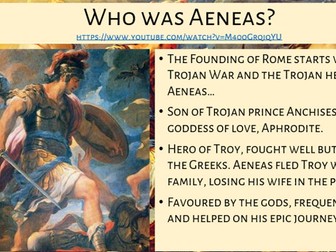
KS4 lesson for Unit 4: Founding of Rome, from Aeneas to Romulus in Component 1: Myth and Religion, of the OCR Classical Civilisation GCSE. The lesson objective is to study the prescribed literary source of Livy’s Early History of Rome, considering accuracy and reliability, in the myth of Rome’s founding from Aeneas and the fall of Troy to Romulus’ birth and ascendancy. Accessible for all ability groups and the resources are easily differentiated for more and less academically able students. This lesson includes… ISM starter crossword, recapping Theseus and Athens. Introduction to Aeneas, the fall of Troy and wider geographical context of the Hellenic world at this point in mythological history, with video resource to support learning. Introduction to Livy, with worksheet, focusing on his reliability and accuracy. In-depth study of the prescribed chapters of Livy’s Early History of Rome, focusing on Aeneas’ journey, with practice exam-style comprehension questions for each chapter. Timeline of Aeneas’ journey activity, with timeline resource. In-depth study of the prescribed chapters of Livy’s Early History of Rome, focusing on birth of Romulus and subsequent ascendancy, with practice exam-style comprehension questions for each chapter and a video resource to support learning. Timeline of Romulus’ life activity, with timeline resource. This chronology expands beyond the life of Romulus to connect Rome’s founding king with Livy’s contemporary audience. Comparison activity looking at the lives of Aeneas and Romulus to determine the more impressive man. Study of the Forum of Augustus to help determine the significance of this foundation story for the people of Rome. Exit pass discussion activity focusing on whose journey would be preferable to complete. Please note: The OCR prescribed literary sources booklet is required to access this lesson. This can be downloaded from the OCR GCSE Classical Civilisation webpage.
Myth and Religion - Unit 4, Lesson 2: Theseus and the LaboursQuick View
christiangwb

Myth and Religion - Unit 4, Lesson 2: Theseus and the Labours

(0)
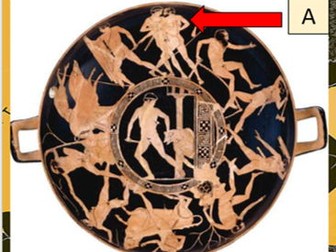
KS4 lesson for Unit 4: Theseus and the Labours, in Component 1: Myth and Religion, of the OCR Classical Civilisation GCSE. The lesson objective is an in-depth exploration of Theseus from his birth and early life to the completion of the 7 labours, his ascendancy to the Athenian throne and consequential unifying of Attika. Accessible for all ability groups and the resources are easily differentiated for more and less academically able students. This lesson includes… ISM starter looking at iconography of Theseus. Study of Theseus’ birth and early life, with accompanying worksheet and video resource to support learning. Study of the prescribed visual source; the Theseus Kylix with worksheet and video resource to support learning. This section also includes a study of the Minotaur and how this relates with Theseus’ foundation story for the establishment of Athens. Practice visual source exam question with modeled answer. Study of Theseus as king of Athens, with accompanying gap-fill activity resource. Design your own kylix activity and template. Exit pass discussion activity focusing on the Minotaur myth. Please note: The OCR endorsed textbook is required to access this lesson.
Myth and Religion - Unit 4, Lesson 4: Plutarch's Parallel Lives (Comparing Theseus and Romulus)Quick View
christiangwb

Myth and Religion - Unit 4, Lesson 4: Plutarch's Parallel Lives (Comparing Theseus and Romulus)

(0)
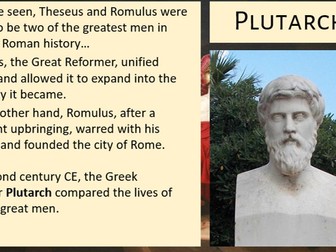
KS4 lesson for Unit 4: Plutarch’s Parallel Lives (Comparing Theseus and Romulus), in Component 1: Myth and Religion, of the OCR Classical Civilisation GCSE. The lesson objective is to study the prescribed literary source of Plutarch’s Parallel Lives, considering accuracy and reliability, in the biographer’s comparison of the lives of Theseus and Romulus across six different categories. Accessible for all ability groups and the resources are easily differentiated for more and less academically able students. This lesson includes… Introduction to Plutarch, with worksheet, focusing on his reliability and accuracy. In-depth study of the prescribed chapters of Plutarch’s Parallel Lives, focusing on six different categories, with comparative table resource. Overall debate based on completed tables. [15] mark practice exam question based on completed tables. Please note: The OCR prescribed literary sources booklet is required to access this lesson. This can be downloaded from the OCR GCSE Classical Civilisation webpage.
Myth and Religion - Unit 5, Lesson 1: Intro to Festivals (Panathenaia)Quick View
christiangwb

Myth and Religion - Unit 5, Lesson 1: Intro to Festivals (Panathenaia)

(0)
KS4 lesson for Unit 5: Intro to Festivals (Panathenaia), in Component 1: Myth and Religion, of the OCR Classical Civilisation GCSE. The lesson objective is to introduce the study of festivals in Classical antiquity and the significance they held for ancient civilisations, with a focus on the Panathenaia. Accessible for all ability groups and the resources are easily differentiated for more and less academically able students. This lesson includes… A starter recap quiz on Unit 4: Foundation Stories, where students are encouraged to use knowledge organisers to help them answer. An introduction to the unit and the context of festivals in the ancient world. In-depth study of the Panathenaia, with a video resource to support learning, and distinction drawn to the Great Panathenaia, with worksheet. A programme of events activity using a question worksheet and posters. A study of the contests of the Panathenaia, leading into the importance of this festival for the Athenians specifically. Design your own metope activity and template as a plenary. Optional revision poster summary activity.
Myth and Religion - Unit 5, Lesson 3: Roman Festivals (Lupercalia and Saturnalia)Quick View
christiangwb

Myth and Religion - Unit 5, Lesson 3: Roman Festivals (Lupercalia and Saturnalia)

(0)
KS4 lesson for Unit 5: Roman Festivals (Lupercalia and Saturnalia), in Component 1: Myth and Religion, of the OCR Classical Civilisation GCSE. The lesson objective is the study of both prescribed Roman festivals, Lupercalia and Saturnalia, and the significance they held for the Romans. Accessible for all ability groups and the resources are easily differentiated for more and less academically able students. This lesson includes… A starter recap quiz on Unit 4: Foundation Stories, where students are encouraged to use knowledge organisers to help them answer. In-depth study of the Lupercalia, with a video resource and primary source (Plutarch) to support learning using a worksheet. Comprehension questions on the Lupercalia. Visual source practice exam question with sentence starters/scaffolded template printout. Optional revision poster summary activity on the Lupercalia, framed as a promotional poster. In-depth study of the Saturnalia, with a video resource to support learning using a worksheet. A study of the significance of the Saturnalia, using the Macrobius literary source. Optional revision poster summary activity on the Saturnalia, framed as a promotional poster. [8] mark practice exam question, with guidance and modelled answer and printout.
Homer's Odyssey - Summary, analysis and exam-style questions for each bookQuick View
christiangwb

Homer's Odyssey - Summary, analysis and exam-style questions for each book

(0)
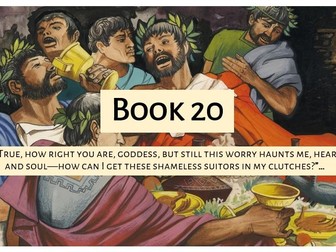
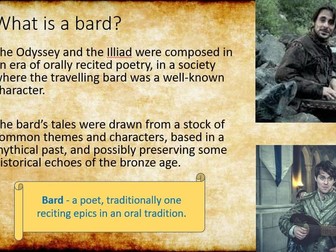
PPT Lessons on each book of Homer’s Odyssey to support reading through this epic poetry. Perfect for use in studying the OCR AS/A-level Classical Civilisation, H008 & H408 course. This pack features a PPT on each book in Homer’s Odyssey in chronological order (starting with Book 9), including the following… Introduction of new characters, locations, literary devices and concepts to place the book within the setting of the wider plot and it’s cultural context. Summary facilitation slides to allow students to create their own on-going comprehensive summary of the plot, using the included Odyssey Timeline. Opportunities for focused character studies - such as Polyphemus civilised v uncivilised. Analysis slides to help guide students contextualisation of each book and ensure they have not missed any key information. Exam-style questions based on the book’s content. This is versatile and can be used for individual planning and practice, group work or home-learning. There are also intermittent model examples of [10] mark questions. Intermittent and optional consolidation activities - such as articulate, kahoot quizzes and pictionary.
Myth and Religion - Unit 3, Lesson 2: Priests, Prayers and SacrificeQuick View
christiangwb

Myth and Religion - Unit 3, Lesson 2: Priests, Prayers and Sacrifice

(0)
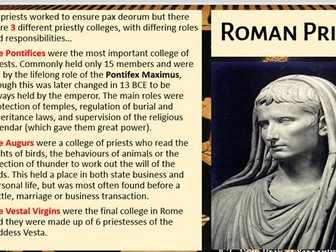
KS4 lesson for Unit 3: Temples, in Component 1: Myth and Religion, of the OCR Classical Civilisation GCSE. The lesson objective is an introduction to Priests, Prayer and Sacrifice in Ancient Greece and Rome. Accessible for all ability groups and the resources are easily differentiated for more and less academically able students. This lesson includes… A recap of key terminology from Lesson 1 on Temple architecture. An introduction to sacrifice in the ancient world, with a video resource to support learning. An recreational guide for simulating an ancient Greek prayer/invocation. A focused study of Greek priests, with a video resource to support. A focused study of Roman priests, with a video resource to support. A focused study on the Vestal Virgins, with a video resource to support. Practise exam questions to allow comparative study of Greek and Roman priests. Creative diary entry plenary and class exit debate discussion.
Myth and Religion - Unit 4, Lesson 1: Intro to Foundation StoriesQuick View
christiangwb

Myth and Religion - Unit 4, Lesson 1: Intro to Foundation Stories

(0)
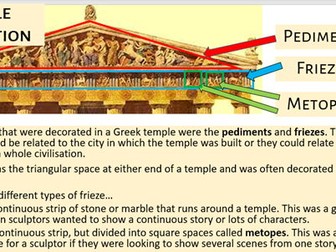
KS4 lesson for Unit 4: Foundation Stories, in Component 1: Myth and Religion, of the OCR Classical Civilisation GCSE. The lesson objective is an introduction to Foundation Stories and the significance they held for ancient civilisations, focusing on the Naming of Athens. Accessible for all ability groups and the resources are easily differentiated for more and less academically able students. This lesson includes… An ISM starter encouraging discussion of the evolution of Athens from Bronze Age to Classical Antiquity. An introduction to Foundation Stories; what are they, why are they important and why are there different versions of the same myth. A case study of the Naming of Athens, with seperate worksheet resource and videos embedded within the lesson plan to support learning. A printout of the reconstructed western pediment of the Parthenon, to link study of temple decoration from Unit 3 with the current unit on Athens’ foundation story.
Myth and Religion - Unit 6, Lesson 4: Ara PacisQuick View
christiangwb

Myth and Religion - Unit 6, Lesson 4: Ara Pacis

(0)
KS4 lesson for Unit 6: Ara Pacis, in Component 1: Myth and Religion, of the OCR Classical Civilisation GCSE. The lesson objective is the study of the Ara Pacis as a significant symbol of power for the Romans, and more specifically Augustus. Accessible for all ability groups and the resources are easily differentiated for more and less academically able students. This lesson includes… A starter recap quiz on Unit 5: Festivals, where students are encouraged to use knowledge organisers to help them answer. In-depth study of the Ara Pacis, with a video resource, primary literary source (Augustus) and worksheet to support learning. Recap of Augustan architecture goals with posters and a visual source worksheet to facilitate. A study of the significance of the Ara Pacis as a symbol of power for the Romans and Augustus in particular. [8] mark exam question with evidence guidance, sentence starters and a modeled initial response… Design your own Augustan architecture as a symbol of power.
Myth and Religion - Unit 5, Lesson 2: City DionysiaQuick View
christiangwb

Myth and Religion - Unit 5, Lesson 2: City Dionysia

(0)
KS4 lesson for Unit 5: City Dionysia, in Component 1: Myth and Religion, of the OCR Classical Civilisation GCSE. The lesson objective is an in-depth study of the City Dionysia festival and the significance this held for the ancient Greeks. Accessible for all ability groups and the resources are easily differentiated for more and less academically able students. This lesson includes… A starter recap quiz on Unit 4: Foundation Stories, where students are encouraged to use knowledge organisers to help them answer. In-depth study of the City Dionysia, with a video resource to support learning, and distinction drawn between the different roles and responsibilities of people involved with the festival on all levels of society. A programme of events activity using a table worksheet and posters. A study of the theatrical contests of the City Dionysia, leading into the importance of this festival for the Athenians specifically. [5] mark practice exam question based on lesson content, with peer-marking criteria. Optional revision poster summary activity, framed as a promotional poster.
Myth and Religion - Unit 6, Lesson 1: Intro to Myths and Symbols of Power (Centauromachy)Quick View
christiangwb

Myth and Religion - Unit 6, Lesson 1: Intro to Myths and Symbols of Power (Centauromachy)

(0)
KS4 lesson for Unit 6: Intro to Myths and Symbols of Power (Centauromachy), in Component 1: Myth and Religion, of the OCR Classical Civilisation GCSE. The lesson objective is to introduce the study of symbols of power in Classical antiquity and the significance they held for ancient civilisations, with a focus on the Centauromachy. Accessible for all ability groups and the resources are easily differentiated for more and less academically able students. This lesson includes… A starter recap quiz on Unit 5: Festivals, where students are encouraged to use knowledge organisers to help them answer. An introduction to the unit and the context of symbols of power in the ancient world. In-depth study of the Centauromachy, with a video resource, primary literary source (Plutarch) and worksheet to support learning. Archaeological study of the Centauromachy metopes, with a video resource to support learning. Study of the sculptor objectives with visual sources. A study of the significance of the Centauromachy as a symbol of power for the Greeks and Athenians specifically.
Myth and Religion - Unit 6, Lesson 3: Augustus of Prima PortaQuick View
christiangwb

Myth and Religion - Unit 6, Lesson 3: Augustus of Prima Porta

(0)
KS4 lesson for Unit 6: Augustus of Prima Porta, in Component 1: Myth and Religion, of the OCR Classical Civilisation GCSE. The lesson objective is the study of the Augustus of Prima Porta statue as a significant symbol of power for the Romans, and more specifically Augustus. Accessible for all ability groups and the resources are easily differentiated for more and less academically able students. This lesson includes… A starter recap quiz on Unit 5: Festivals, where students are encouraged to use knowledge organisers to help them answer. Study of Augustus and introduction to Augustan architecture, with a video resource and timeline/chronology activity to support learning. In-depth study of the Augustus of Prima Porta, with a video resource and annotated visual source to support learning. [6] mark exam question with guidance and sentence starters. A study of the significance of the Augustus of Prima Porta as a symbol of power for the Romans. Design your own symbol of power activity. Optional Augustus research homework activity in preparation for next lesson/symbol of power. Optional Augustus documentary video linked.
Myth and Religion - Unit 8, Lesson 1: Intro to Unit (Homeric Hymn to Demeter)Quick View
christiangwb

Myth and Religion - Unit 8, Lesson 1: Intro to Unit (Homeric Hymn to Demeter)

(0)
KS4 lesson for Unit 8: Intro to Unit (Homeric Hymn to Demeter), in Component 1: Myth and Religion, of the OCR Classical Civilisation GCSE. The lesson objective is an introduction to the Journeying to the Underworld unit, focusing on the Homeric Hymn to Demeter, and the significance this held for the ancient Greeks. Accessible for all ability groups and the resources are easily differentiated for more and less academically able students. This lesson includes… A starter recap quiz on Unit 6: Myths and Symbols of Power, where students are encouraged to use knowledge organisers to help them answer. ISM Visual source starter, recapping Unit 1: The Gods. An introduction to the unit and the context of the Homeric Hymns. In-depth study of the Homeric Hymn to Demeter; focusing on themes, characters and epithets for the purposes of annotating the prescribed literary source booklet. Comprehension questions, based on reading and annotations. Summary of the myth, using visual sources and votives to support learning. Study of the Eleusinian Mysteries and the significance they held for the ancient Greeks. Study of the nature of the gods, using the annotated myth, a video and a table resource to support learning. [6] mark practice exam question with success criteria and a modelled start. Peer-marking instructions/criteria also included. Study of alternative interpretations of the significance of this myth. Visual source study of a funeral frieze, leading to further exploration of the presentation of this myth in ancient Greek art. **Please note: **The OCR prescribed literary sources booklet is required to access this lesson plan. This is available to download for free from the OCR website.