Feelings (PSHE)Quick View
rebeccakegan

Feelings (PSHE)

(0)
This engaging PSHE resource has been designed to help Key Stage 1 pupils explore and understand a range of feelings and emotions. Through age-appropriate activities, discussions, and visual prompts, children are encouraged to recognise emotions in themselves and others, develop emotional vocabulary, and learn positive ways to express and manage their feelings. The resource supports the development of emotional literacy, self-awareness, empathy, and communication skills, helping pupils build confidence and positive relationships both in and out of the classroom. Perfect for PSHE lessons, circle time, wellbeing activities, and emotional regulation support. Key Learning Outcomes: • Identify and name a range of emotions and feelings. • Understand that people may experience and express emotions differently. • Develop strategies for expressing and managing emotions appropriately. • Build empathy and respect for the feelings of others. • Promote positive mental health and wellbeing.
Phonics Games and ActivitiesQuick View
rebeccakegan

Phonics Games and Activities

(0)
Make phonics learning fun and engaging with this comprehensive collection of phonics games and activities designed to support children through Phases 2–5. Perfect for whole-class teaching, small group work, interventions, continuous provision, and independent learning, these activities help reinforce key phonics skills in an interactive and enjoyable way. Resource Includes: • Phonics games covering Phases 2–5 • Blending and segmenting activities • Tricky word practice • Sound recognition tasks • Reading and spelling challenges • Independent and group learning opportunities Ideal for: • Reception and Key Stage 1 classrooms
Science: Identifying and Naming PlantsQuick View
rebeccakegan

Science: Identifying and Naming Plants

(0)
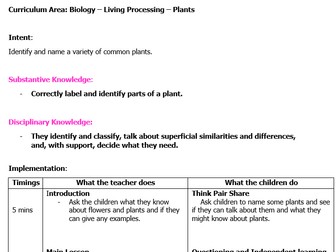
Support children’s understanding of the natural world with this engaging science resource focused on identifying and naming common plants. Designed for Key Stage 1 pupils, this resource helps children develop their observational skills while learning to recognise and name a variety of living plants found in their environment. Through a range of interactive activities, pupils will explore different types of plants, learn key plant vocabulary, and begin to identify similarities and differences between common plants. The resource encourages curiosity about nature and supports early scientific enquiry skills. Learning Objectives: • Identify and name a variety of common wild and garden plants. • Recognise that plants are living things.
Display LetteringQuick View
rebeccakegan

Display Lettering

(0)
Display lettering in a botanical, relaxing theme uses natural colours, plant shapes, and soft textures to make classroom displays feel calm and welcoming. Letters are often decorated with leaves, vines, flowers, or wood-style patterns. Colours like greens, neutrals, and pastels help create a peaceful atmosphere that supports focus and wellbeing. Botanical lettering can be used across all curriculum areas to keep a consistent, calming classroom environment. All the curriculum is there .
Hammerhead SharkQuick View
rebeccakegan

Hammerhead Shark

(0)
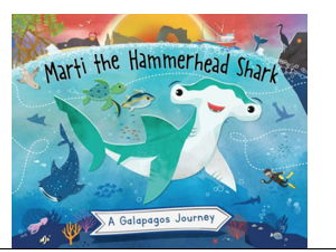
This PSHE resource uses the hammerhead shark as an engaging and memorable starting point to explore important themes such as uniqueness, respecting differences, and understanding emotions. By learning about the hammerhead shark’s distinctive appearance and abilities, pupils are encouraged to reflect on how everyone is different in their own way and why those differences should be valued. The resource includes opportunities for discussion, reflection, and simple activities that help children recognise their own strengths, build self-confidence, and develop empathy towards others. It supports pupils in understanding that being different is something to celebrate, promoting positive relationships, inclusion, and a sense of belonging within the classroom. Questions are added to help with ideas
Exploring Emotions Through Ruby’s WorryQuick View
rebeccakegan

Exploring Emotions Through Ruby’s Worry

(0)
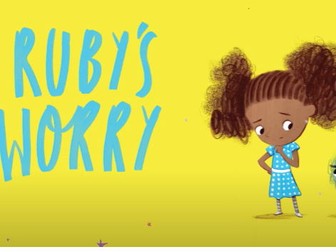
This lesson helps children understand and manage worries through reading Ruby’s Worry and exploring its themes. The session begins with sharing the story as a class, followed by watching a short video retelling to deepen comprehension. Guided questions encourage pupils to reflect on how Ruby felt, why she ignored her worry, and what helped her overcome it. The teacher models reflective thinking by choosing a worry and demonstrating how to process it, before giving pupils one minute of silent thinking time to consider a worry of their own. Children may then share their ideas with the class after children will make some open ended questions . To finish, children can write a worry on a post-it note and learn how to place it in an “action” or “breath” box, reinforcing positive strategies for managing emotions.