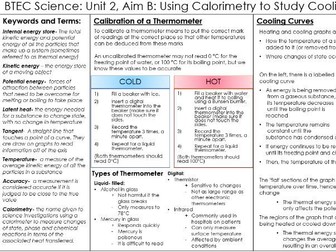
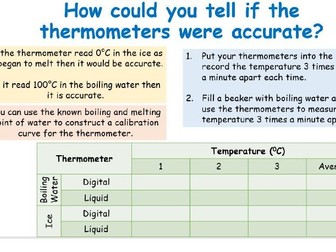
BTEC Level 3 Applied Science Unit 2 Aim B - Calorimetry. This is lesson 4 about to calibrate thermometers and use a calibration curve to correct readings
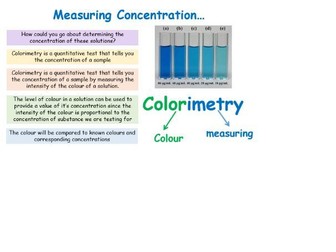
Lesson 13 for BTEC Level 3 Applied Science Unit 2 Aim A (Titrations and Colorimetry). This lesson includes; how a colorimeter works and how to carry out a serial dilution. It also covers how to use a colorimeter and an overview of the Beer-Lambert Law
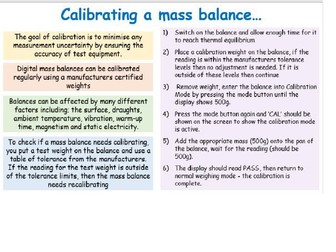
Lesson 2 in Aim A of Unit 2 BTEC L3 applied science (Titration and Colorimetry) This includes desnity calculation practise, how to calibrate a mass balance, how to calibrate a volumetric pipette and the difference between a graduated and volumetric pipette.
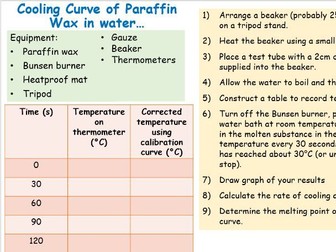
BTEC Applied Science Level 3 Aim B - Calorimetry. This is lesson 5 about how to create a cooling curve of Paraffin wax after first calibrating thermometers.
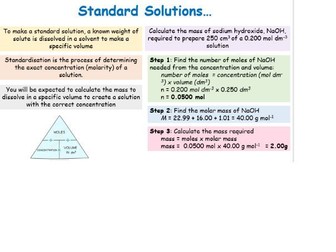
Lesson 10 for BTEC Level 3 Applied Science Unit 2 Aim A (Titrations and Colorimetry). This lesson includes why standard solutions are important, how to calculate the mass needed to make a solution of a certain concentration and the method needed to make a standrad solution
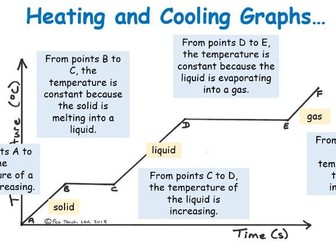
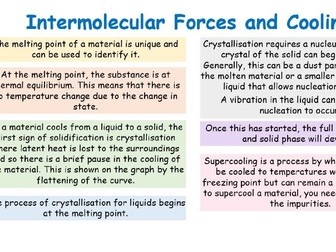
Level 3 Applied Science BTEC Unit 2 - Calorimetry. This is lesson 3. It contains how to analyse the cooling curves produced in the previous lesson as well as explanations of cooling using intermolecular forces
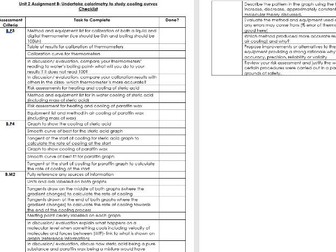
This contains practical skills feedback sheets for Aim B (Calorimetry and Cooling Curves) of Unit 2 BTEC L3 applied science. They have been based upon the structure of the PAG feedback sheets. There is space for both the student to self-assess their practical and write up skills and for the teacher to comment.
This is lesson 4 of Aim C (Chromatography) of Unit 2 BTEC L3 applied science. It contains a practical where the students extract plant pigments from plants (we recommend grass) and run 3 TLCs using different solvents. The students should be able to compare the chromatograms and conclude which is the best solvent to use and why. This lesson also contains a practical skills feedback sheet with spaces for both the students to self-evaluate the practical and write up and space for the teacher to leave feedback for the student.
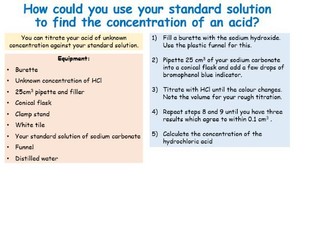
Lesson 11 for BTEC Level 3 Applied Science Unit 2 Aim A (Titrations and Colorimetry). This lesson includes how you would use a standard solution of sodium carbonate (made in last lesson) in a titration to find the concentration of an unknown acid. It also includes a slide about the possible sources of error in making standard solutions to use in titrations.
Lesson 14 for BTEC Level 3 Applied Science Unit 2 Aim A (Titrations and Colorimetry). This lesson includes the method for how to use colorimetry to determine an unknown concentration of copper sulphate. It also includes a slide on the sources of error in colorimetry
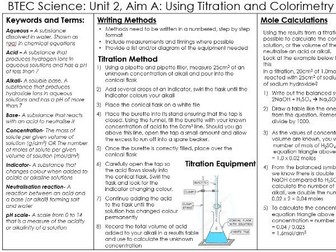
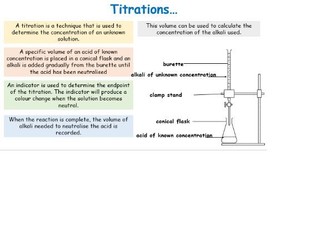
Lesson 4 for BTEC Level 3 Applied Science Unit 2 Aim A (Titrations and Colorimetry). It includes an introduction into what titration is used for and the method to carry one out.
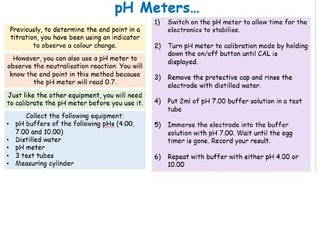
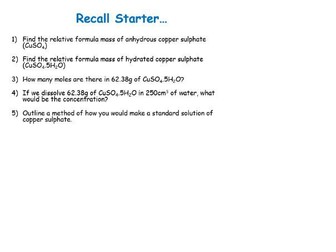
Lesson 7 for BTEC Level 3 Applied Science Unit 2 Aim A (Titrations and Colorimetry). This contains a recall starter on titration calculations and how to calibrate and use a pH meter
BTEC Level 3 Applied Science Unit 2 Aim B: Calorimetry. This is lesson 5 which includes how to conduct in-air cooling of steric acid. It also has the slide about sources of error again so they can use it to evaluate the quality of result
Level 3 BTEC Applied Science Unit 9 Human regulation and reproduction, Aim A: Understand the interrelationship and nervous control of the cardiovascular and respiratory systems. L5: ECGs. How to read ECG traces and recognise disorders