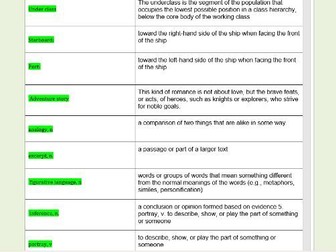
A full, comprehensive vocabulary booklet for students studying Treasure Island.
Teachers can give this out to students at the start of the scheme or use it themselves for analysis/annotations.
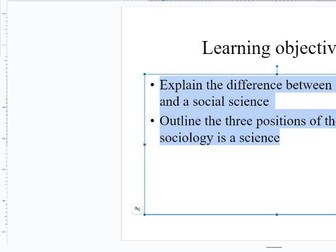
The aim of this lesson is to explain the difference between a natural and a social science and effectively outline the three positions of the debate that sociology is a science.
Complete with subject terminology, engaging debate questions and aqa sociology spec notes.
An engaging and fun revision session. Pub style pop quiz with a research assignment at the end.
Aim of the powerpoint:
To answer quiz questions on the Schizophrenia Unit
To start an overview sheet of all of Schizophrenia
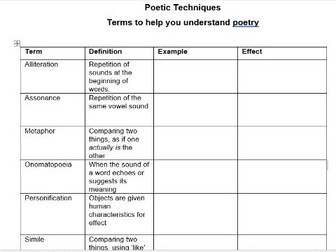
Poetry handout that gives the definitions of Alliteration, Assonance, Metaphor, Onomatopoeia, Personification, Simile and Symbolism. The students must find examples of each in their studied poem and explain the effect this has on the reader.
This is a lovely accompanying handout for homework or for the end of a lesson.
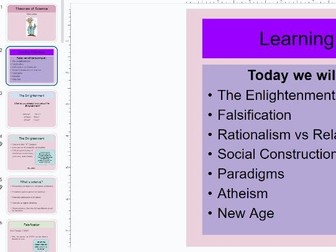
Full lesson with introduction of theories of sciences. Notes and key perspectives on the following:
The Enlightenment
Falsification
Rationalism vs Relativism
Social Construction of science
Paradigms
Atheism
New Age
Also inlcudes contemporary examples, engaging activites and homework.
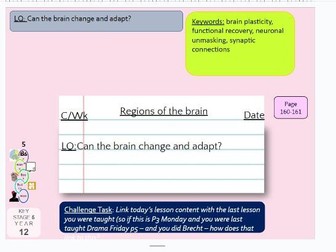
A comprehnsive A-level AQA Psychology powerpoint lesson on the regions of the brain.
Complete with activties, exam questions, diagrams and videos.
Perfect for revision or for a Biopsychology lesson.
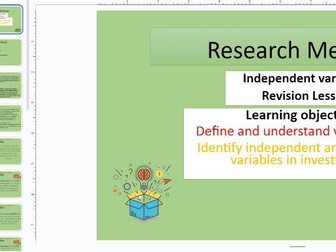
Learning objectives:
Define and understand variable types
Identify independent and dependent variables in investigations
Defintions and examples for revison.
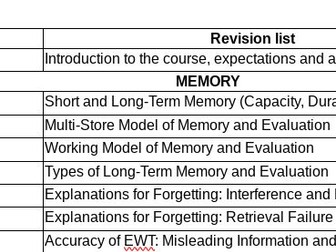
Revision powerpoint aimed at helping students recall vital memory studies and key defintions.
Complete with short summaries and activites for the lesson.
Key studies and psychologists list on microsoft excel spreadsheet.
Colour coded, with descriptions and detail.
Any on the key spec are also highlighted.
Can be printed for students or added to your curriculum map.
Student friendly colour coded pdf of all the key psychologists and their descriptions.
Paper 1
Social Influence
Memory
Attachments
Psychopathology
Paper 2
Approaches
Biopsychology
Research Methods – no studies
Paper 3
Issues & Debates – no studies
Cognition & Development
Schizophrenia
Forensic Psychology
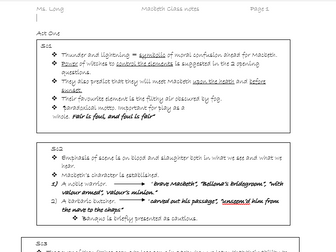
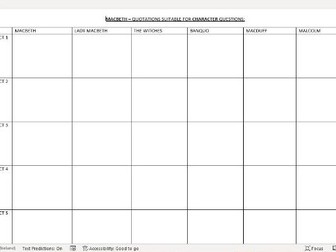
Scene by scene notes for Macbeth. Excellent resource for students who have missed class or for revision. It is also great for teachers who need to refresh their minds prior to class prep.
It details: language techniques, themes, key quotes, key characterisation, contextual factors to consider and Key happenings (plot).
13 pages long.
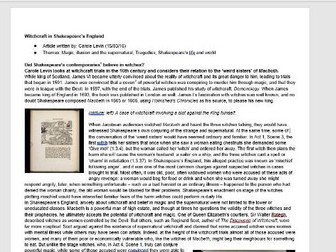
Guided reading material that can be used as contextual background in class for Macbeth or as a homework exercise. Article written by: Carole Levin (15/03/16) and is used for comprehensive purposes for the students. Questions at the bottom of article can be answered as a whole group or independent activity.
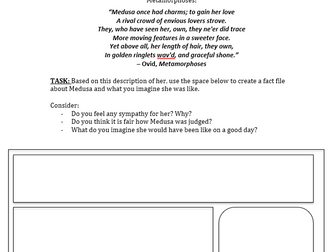
A comprehensive description of the story of Medusa and two tasks. Task one is to read an extract regarding Medusa from Ovid. Based on his description, the student is asked to use the designated space to create a fact file about Medusa and what you imagine she was like.
This was originally made for Junior Cycle English but it could be used for KS3 business or Media students.
It discusses the different areas of adverting and different advertising terms and their meaning.
Full 3 lesson powerpoint for the Spoken Language Endorsement.
These preparation power points aim to prepare the students to give a formal presentation.
The lesson material includes:
Introduction to assessment objectives
Outline of the task
A look at the Mark scheme
Presentation of students who have presented and task
Checklist for success
Reasons for a cue card
Lesson 4 is another resource on my page for sale (booklet).
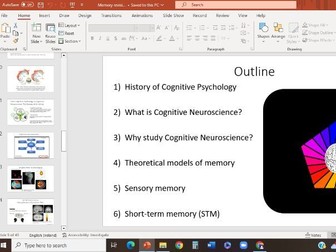
Intensive power point that details the history of neuro science and cognitive science.
This is a great resource when you have completed the memory section of AS/A level psychology for extra A03 content. It could also be used to teach as a introduction to University Psychology. There are fantastic resources and research references.
Nervous system hand out/activity that can be completed independently or as group work. Include in any lesson.
TASK: Cut up the following bits and then arrange them into a flow diagram for the nervous system. Match the short description to the name of the correct nervous system. Stick it in order and draw arrows showing what bits are subdivisions of others.