GCSE Physics Topics 7 and 8 (Magnetism, Electromagnetism and Space)Quick View
Dr_Troilo

GCSE Physics Topics 7 and 8 (Magnetism, Electromagnetism and Space)

8 Resources
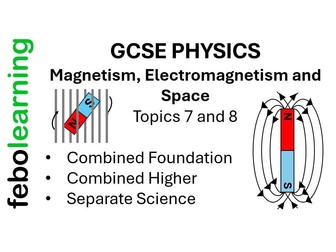
A bundle of lessons from Febo Learning for GCSE Physics AQA Topics 7 (Magnetism and Electromagnetism) and 8 (Space). These are full lessons designed for classroom teaching or home learning. Free resources are available for content preview. Except when the content is identical, lessons come in differentiated versions for higher, foundation and separate science. Free lesson available for content preview. … The supplementary resources are designed to fill knowledge gaps identified from KS3. They can be copied and pasted into regular lessons and are designed to take no more than ten minutes each to complete. … Suggested Lesson Order: Foundation, Combined Higher and Single Science: Permanent and Induced Magnets Electromagnetism … Combined Higher and Single Science: The Motor Effect … Single Science: The Generator Effect FREE Generators and microphones Transformers Space FREE Revision FREE
Transformers Lesson GCSE PhysicsQuick View
Dr_Troilo

Transformers Lesson GCSE Physics

(0)
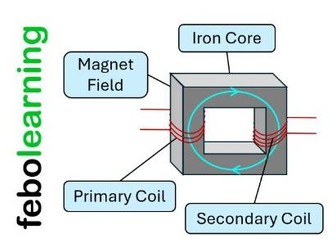
Learning Objectives State the function of transformers and describe how they work. Calculate the number of turns needed to adjust potential difference to a target value (Vp/Vs = np/ns) Calculate potential difference and current using VpIp = Vs/Is … Lesson Content: Variable retrieval practice starter activity (retrieval practice/recall) Teach/Check/Practice (I do/We do/You do) cycles with tasks which demonstrate that the learning objectives have been met in student books Check phases are compatible with cold-calling, mini-white boards or can be delivered as quick quizzes in books. Practice phases encourage writing in full sentences using correct vocabulary and phrasing Opportunities for assessment for learning and independent practice with scaffolded tasks building to independence. Self-assessment answer slides Challenge extension work for higher ability students SEND adaptations: lessons are chunked to avoid working memory overload, blue background for Irlens, word banks are provided, text is broken up for dyslexia and a consistent format is followed for ASD. … This lesson is suitable for supply teaching, cover supervisors and home learning (remote, distance or online). It is fully self-explanatory and can be delivered without specialist knowledge. This presentation is fully editable. … Permanent and Induced Magnets Electromagnetism The Motor Effect The Generator Effect Generators and Microphones Transformers Space Revision
Inherited Disorders Supplementary Slides and Worksheet (GCSE Biology AQA)Quick View
Dr_Troilo

Inherited Disorders Supplementary Slides and Worksheet (GCSE Biology AQA)

(3)
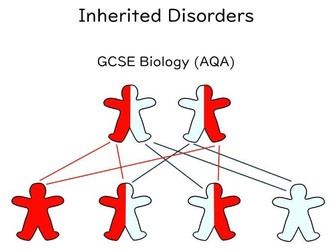
This supplementary resource is designed to support independent study, homework projects and revision. A full lesson on Inherited Disorders is available here: https://www.tes.com/teaching-resource/inherited-disorders-lesson-gcse-biology-13046305 PowerPoint presentation and worksheet on inherited disorders for teaching and revision. Simple step by step explanations of concepts up to the end of KS4. This resource follows the AQA Biology GCSE syllabus but is also applicable to other courses. Content Covered: -Cystic Fibrosis (recessive) -Polydactyly (domainant) -Interpreting family trees -Bioethics of embryo selection Suitable for remote online distance learning and usable by non-specialists, including for homeschooling. All content, diagrams and photos © Troilo Science / Febo Learning unless otherwise stated. We have supplementary slides and worksheets for the following topics in GCSE Biology Paper 1, Topic 6: Inheritance, Variation and Evolution DNA and Protein Synthesis Reproduction Meiosis X and Y Chromosomes Genetic Diagrams Inherited Disorders Gregor Mendel Variation and Selective Breeding Evolution Cloning Genetic Engineering Fossils and Classification Speciation Antibiotic Resistance
Generators and Microphones Lesson GCSE PhysicsQuick View
Dr_Troilo

Generators and Microphones Lesson GCSE Physics

(0)
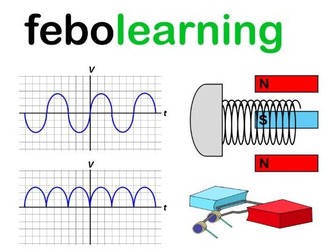
Learning Objectives Explain the difference between alternators and dynamos. Describe ac and dc traces shown on an oscilloscope. Explain how microphones generate current from sound waves. … Lesson Content: Variable retrieval practice starter activity (retrieval practice/recall) Teach/Check/Practice (I do/We do/You do) cycles with tasks which demonstrate that the learning objectives have been met in student books Check phases are compatible with cold-calling, mini-white boards or can be delivered as quick quizzes in books. Practice phases encourage writing in full sentences using correct vocabulary and phrasing Opportunities for assessment for learning and independent practice with scaffolded tasks building to independence. Self-assessment answer slides Challenge extension work for higher ability students SEND adaptations: lessons are chunked to avoid working memory overload, blue background for Irlens, word banks are provided, text is broken up for dyslexia and a consistent format is followed for ASD. … This lesson is suitable for supply teaching, cover supervisors and home learning (remote, distance or online). It is fully self-explanatory and can be delivered without specialist knowledge. This presentation is fully editable. … Permanent and Induced Magnets Electromagnetism The Motor Effect The Generator Effect Generators and Microphones Transformers Space Revision
GCSE Physics Everyday Electricity TOPIC 2bQuick View
Dr_Troilo

GCSE Physics Everyday Electricity TOPIC 2b

8 Resources
A bundle of lessons from Febo Learning for GCSE Physics AQA Topic 2b Everyday Electricity. These are full lessons designed for classroom teaching or home learning. Free resources are available for content preview. Except when the content is identical, lessons come in differentiated versions for higher, foundation and separate science. Free lesson available for content preview. … The supplementary resources are designed to fill knowledge gaps identified from KS3. They can be copied and pasted into regular lessons and are designed to take no more than ten minutes each to complete. … Suggested Lesson Order: Electricity in the Home FREE Power of Electrical Appliances Power Calculations The National Grid Static Electricity (FREE- SINGLE ONLY) Electric Fields (SINGLE ONLY) Revision
Electric Fields Lesson GCSE PhysicsQuick View
Dr_Troilo

Electric Fields Lesson GCSE Physics

(0)
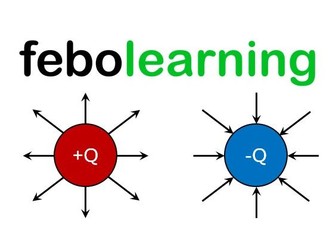
GCSE Physics Single Science Higher Learning Objectives Describe electrical fields and explain what the field lines mean Explain the factors which affect the strength of the electric field Explain in more detail how sparking can be caused by electric fields … Lesson Content: Starter activity (retrieval practice/recall) Teach/Check/Practice (I do/We do/You do) cycles with tasks which demonstrate that the learning objectives have been met in student books Check phases are compatible with cold-calling, mini-white boards or can be delivered as quick quizzes in books. Practice phases encourage writing in full sentences using correct vocabulary and phrasing Opportunities for assessment for learning and independent practice with scaffolded tasks building to independence. Self-assessment answer slides Challenge extension work for higher ability students SEND adaptations: lessons are chunked to avoid working memory overload, blue background for Irlens, word banks are provided, text is broken up for dyslexia and a consistent format is followed for ASD. … This lesson is suitable for supply teaching, cover supervisors and home learning (remote, distance or online). It is fully self-explanatory and can be delivered without specialist knowledge. This presentation is fully editable. … Also in this topic: Electricity in the Home Power of Electrical Appliances Power Calculations The National Grid Static Electricity Electric Fields Revision Foundation Revision Higher
Everyday Electricity GCSE HIGHER RevisionQuick View
Dr_Troilo

Everyday Electricity GCSE HIGHER Revision

(0)
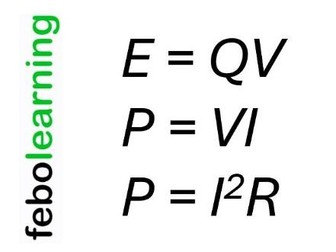
Key Stage 4 GCSE Combined Science Higher and Single Science P2b Everyday Electricity … Revision lesson specially tailored to higher (single science and combined). Reteaching of the key points is followed by a mix of exam-style practice questions, variable retrieval practice and targeted comprehension questions to help students revise. Fast paced with self-assessment slides, no need for printing or additional preparation, all your students need is paper, a calculator and a pen! … Content Covered Electricity in the Home Power of Electrical Appliances Power Calculations E=Pt, E=QV, P=VI and P-I2R The National Grid Static Electricity (Single Only) Electric Fields (Single Only) … Also in this topic: Electricity in the Home Power of Electrical Appliances Power Calculations The National Grid Static Electricity Electric Fields Revision Foundation Revision Higher
Everyday Electricity GCSE FOUNDATION RevisionQuick View
Dr_Troilo

Everyday Electricity GCSE FOUNDATION Revision

(0)
Key Stage 4 GCSE Combined Science Foundation P2b Everyday Electricity … Revision lesson specially tailored to foundation. Reteaching of the key points is followed by a mix of exam-style practice questions, variable retrieval practice and targeted comprehension questions to help students revise. Fast paced with self-assessment slides, no need for printing or additional preparation, all your students need is paper, a calculator and a pen! … Content Covered: Electricity in the home Power of electrical appliances Power calculations E=Pt, E=QV, P=VI and P-I2R The National Grid … Complete revision lesson for this section suitable for exam revision and addressing knowledge gaps identified by tests. For a 1 hour lesson we suggest choosing 2-3 sections to reteach and practice. © Febo Learning / Troilo Science … Also in this topic: Electricity in the Home Power of Electrical Appliances Power Calculations The National Grid Static Electricity Electric Fields Revision Foundation Revision Higher
The National Grid Lessons GCSE PhysicsQuick View
Dr_Troilo

The National Grid Lessons GCSE Physics

(0)
Separate lessons for all three GCSE courses, already adjusted for ability and different course content! Key Stage 4 ~ GCSE Physics~ The National Grid Combined Science (Foundation) Combined Science (Higher) Single Science (Higher) … Learning Objectives Describe how electricity production is changed to meet demand Explain why the national grid uses a high potential difference and a low current Explain what transformers are for and how they work … All Lessons Contain Starter activity (retrieval practice/recall) Teach/Check/Practice (I do/We do/You do) cycles with tasks which demonstrate that the learning objectives have been met in student books Check phases are compatible with cold-calling, mini-white boards or can be delivered as quick quizzes in books. Practice phases encourage writing in full sentences using correct vocabulary and phrasing Opportunities for assessment for learning and independent practice with scaffolded tasks building to independence. Self-assessment answer slides Challenge extension work for higher ability students SEND adaptations: lessons are chunked to avoid working memory overload, blue background for Irlens, word banks are provided, text is broken up for dyslexia and a consistent format is followed for ASD. … This lesson is suitable for supply teaching, cover supervisors and home learning (remote, distance or online). It is fully self-explanatory and can be delivered without specialist knowledge. This presentation is fully editable. … Also in this topic: Electricity in the Home Power of Electrical Appliances Power Calculations The National Grid Static Electricity Electric Fields Revision Foundation Revision Higher
Power Calculations Lessons GCSE PhysicsQuick View
Dr_Troilo

Power Calculations Lessons GCSE Physics

(0)
Separate lessons for all three GCSE courses, already adjusted for ability and different course content! Key Stage 4 ~ GCSE Physics~ Power Calculations Combined Science (Foundation) Combined Science (Higher) Single Science (Higher) … Learning Objectives Calculate energy transferred from charge and potential difference E=QV Calculate power from potential difference and current P=VI Calculate power from current and resistance P=I2V … All Lessons Contain Starter activity (retrieval practice/recall) Teach/Check/Practice (I do/We do/You do) cycles with tasks which demonstrate that the learning objectives have been met in student books Check phases are compatible with cold-calling, mini-white boards or can be delivered as quick quizzes in books. Practice phases encourage writing in full sentences using correct vocabulary and phrasing Opportunities for assessment for learning and independent practice with scaffolded tasks building to independence. Self-assessment answer slides Challenge extension work for higher ability students SEND adaptations: lessons are chunked to avoid working memory overload, blue background for Irlens, word banks are provided, text is broken up for dyslexia and a consistent format is followed for ASD. … This lesson is suitable for supply teaching, cover supervisors and home learning (remote, distance or online). It is fully self-explanatory and can be delivered without specialist knowledge. This presentation is fully editable. … Also in this topic: Electricity in the Home Power of Electrical Appliances Power Calculations The National Grid Static Electricity Electric Fields Revision Foundation Revision Higher
Power of Electrical Appliances Lesson GCSE PhysicsQuick View
Dr_Troilo

Power of Electrical Appliances Lesson GCSE Physics

(0)
Separate lessons for higher and foundation courses on Electricity in the Home. Combined Science (Foundation) Combined Science (Higher) and Single Science … Learning Objectives Describe energy transfers in household appliances. Calculate energy transferred from power and time. Explain the power ratings of household appliances. … All Lessons Contain Starter activity (retrieval practice/recall) Teach/Check/Practice (I do/We do/You do) cycles with tasks which demonstrate that the learning objectives have been met in student books Check phases are compatible with cold-calling, mini-white boards or can be delivered as quick quizzes in books. Practice phases encourage writing in full sentences using correct vocabulary and phrasing Opportunities for assessment for learning and independent practice with scaffolded tasks building to independence. Self-assessment answer slides Challenge extension work for higher ability students SEND adaptations: lessons are chunked to avoid working memory overload, blue background for Irlens, word banks are provided, text is broken up for dyslexia and a consistent format is followed for ASD. Careers are integrated into the lesson. Careers links have a gold star in the corner to identify them easily … This lesson is suitable for supply teaching, cover supervisors and home learning (remote, distance or online). It is fully self-explanatory and can be delivered without specialist knowledge. This presentation is fully editable. … Also in this topic: Electricity in the Home Power of Electrical Appliances Power Calculations The National Grid Static Electricity Electric Fields Revision Foundation Revision Higher
Microscopy Practical (Onion Cells)Quick View
Dr_Troilo

Microscopy Practical (Onion Cells)

(8)
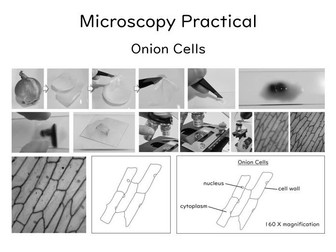
This supplementary resource is designed to support independent study, homework projects and revision. A full lesson on Microscopy is available here: https://www.tes.com/teaching-resource/resource-12829559 Presentation and practical handout for observing onion cells under a light microscope for teaching and revision. A step by step visual guide for all abilities. Can be used with Microscopy Slides and Worksheet: https://www.tes.com/teaching-resource/resource-12332237 Content covered: Light microscope parts Slide preparation Using a microscope Drawing and labeling observations Suitable for remote online distance learning and usable by non-specialists, including for homeschooling. All content, diagrams and photos © Troilo Science / Febo Learning unless otherwise stated. We have supplementary slides and worksheets for the following topics in GCSE Biology Paper 1, Topic 1: Cell Biology Cell Structure Plant Cells Specialised Cells Mitosis Stem Cells Binary Fission Microscopy Practical Microscopy Exchange Surfaces Diffusion and Osmosis Active Transport
Electrical Circuits GCSE HIGHER RevisionQuick View
Dr_Troilo

Electrical Circuits GCSE HIGHER Revision

(0)
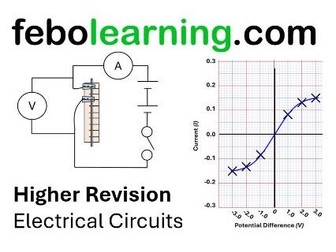
Key Stage 4 GCSE Combined Science Higher and Single Science P2a Electrical Circuits … Revision lesson specially tailored to higher (single science and combined). Reteaching of the key points is followed by a mix of exam-style practice questions and targeted comprehension questions to help students revise. Fast paced with self-assessment slides, no need for printing or additional preparation, all your students need is paper, a calculator and a pen! … Content Covered Circuit Components Current Calculations V = IR Investigating Resistance in a Wire IV Characteristics Circuit Devices Sensing Circuits Series and Parallel Circuits Investigating Resistance in Series and Parallel Circuits … Also in this topic: Current and Circuit Symbols Resistance Calculations Investigating Resistance IV Characteristics Circuit Devices Series Circuits Parallel Circuits Investigating Resistance in Series and Parallel Circuits Revision Higher Revision Foundation Free Supplementary Materials … Complete revision lesson for this section suitable for exam revision and addressing knowledge gaps identified by tests. For a 1 hour lesson we suggest choosing 2-3 sections to reteach and practice. © Febo Learning / Troilo Science
GCSE Physics Electrical Circuits TOPIC 2aQuick View
Dr_Troilo

GCSE Physics Electrical Circuits TOPIC 2a

17 Resources
A bundle of lessons from Febo Learning for GCSE Physics AQA Topic 2a Electrical Circuits. These are full lessons designed for classroom teaching or home learning. Free resources are available for content preview. Except when the content is identical, lessons come in differentiated versions for higher, foundation and separate science. Free lesson available for content preview. … The supplementary resources are designed to fill knowledge gaps identified from KS3. They can be copied and pasted into regular lessons and are designed to take no more than ten minutes each to complete. … Suggested Lesson Order: Current and circuit symbols Resistance calculations Investigating resistance in a wire I-V characteristics FREE Circuit devices Series circuits Parallel circuits Investigating resistance in series and parallel FREE Revision
Electrical Circuits GCSE FOUNDATION RevisionQuick View
Dr_Troilo

Electrical Circuits GCSE FOUNDATION Revision

(0)
Key Stage 4 GCSE Combined Science Foundation P2a Electrical Circuits … Revision lesson specially tailored to foundation. Reteaching of the key points is followed by a mix of exam-style practice questions and targeted comprehension questions to help students revise. Fast paced with self-assessment slides, no need for printing or additional preparation, all your students need is paper, a calculator and a pen! … Content Covered Circuit Components Current Calculations V = IR Investigating Resistance in a Wire IV Characteristics Circuit Devices Sensing Circuits Series and Parallel Circuits Investigating Resistance in Series and Parallel Circuits … Also in this topic: Current and Circuit Symbols Resistance Calculations Investigating Resistance IV Characteristics Circuit Devices Series Circuits Parallel Circuits Investigating Resistance in Series and Parallel Circuits Revision Higher Revision Foundation Free Supplementary Materials … Complete revision lesson for this section suitable for exam revision and addressing knowledge gaps identified by tests. For a 1 hour lesson we suggest choosing 2-3 sections to reteach and practice. © Febo Learning / Troilo Science
Parallel Circuits Lessons GCSE PhysicsQuick View
Dr_Troilo

Parallel Circuits Lessons GCSE Physics

(0)
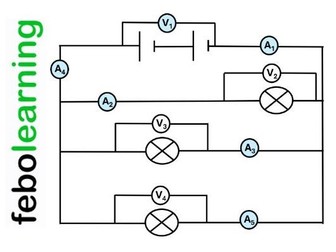
Separate lessons for all three GCSE courses, already adjusted for ability and different course content! Key Stage 4 ~ GCSE Physics~ Parallel Circuits Combined Science (Foundation) Combined Science (Higher) Single Science (Higher) … Learning Objectives Explain why most everyday electronics use parallel circuits. Describe how potential difference, current and resistance are affected by adding components in parallel. Calculate resistance, potential difference and current in parallel circuits. … All Lessons Contain Starter activity (retrieval practice/recall) Teach/Check/Practice (I do/We do/You do) cycles with tasks which demonstrate that the learning objectives have been met in student books Check phases are compatible with cold-calling, mini-white boards or can be delivered as quick quizzes in books. Practice phases encourage writing in full sentences using correct vocabulary and phrasing Opportunities for assessment for learning and independent practice with scaffolded tasks building to independence. Self-assessment answer slides Challenge extension work for higher ability students SEND adaptations: lessons are chunked to avoid working memory overload, blue background for Irlens, word banks are provided, text is broken up for dyslexia and a consistent format is followed for ASD. … This lesson is suitable for supply teaching, cover supervisors and home learning (remote, distance or online). It is fully self-explanatory and can be delivered without specialist knowledge. This presentation is fully editable. … Also in this topic: Current and Circuit Symbols Resistance Calculations Investigating Resistance IV Characteristics Circuit Devices Series Circuits Parallel Circuits Investigating Resistance in Series and Parallel Circuits Revision Higher Revision Foundation Free Supplementary Materials
Series Circuits Lessons GCSE PhysicsQuick View
Dr_Troilo

Series Circuits Lessons GCSE Physics

(0)
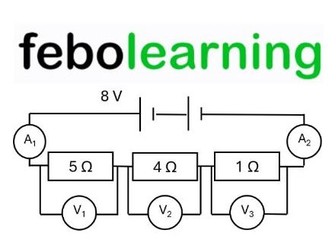
Separate lessons for all three GCSE courses, already adjusted for ability and different course content! Key Stage 4 ~ GCSE Physics~ Series Circuits Combined Science (Foundation) Combined Science (Higher) Single Science (Higher) … Learning Objectives State what a series circuit is Describe how ammeters and voltmeters are connected to take measurements Explain the relationship between the resistance of a component and its share of the potential difference Calculate potential difference, resistance and current in a series circuit. … All Lessons Contain Starter activity (retrieval practice/recall) Teach/Check/Practice (I do/We do/You do) cycles with tasks which demonstrate that the learning objectives have been met in student books Check phases are compatible with cold-calling, mini-white boards or can be delivered as quick quizzes in books. Practice phases encourage writing in full sentences using correct vocabulary and phrasing Opportunities for assessment for learning and independent practice with scaffolded tasks building to independence. Self-assessment answer slides Challenge extension work for higher ability students SEND adaptations: lessons are chunked to avoid working memory overload, blue background for Irlens, word banks are provided, text is broken up for dyslexia and a consistent format is followed for ASD. … This lesson is suitable for supply teaching, cover supervisors and home learning (remote, distance or online). It is fully self-explanatory and can be delivered without specialist knowledge. This presentation is fully editable. … Also in this topic: Current and Circuit Symbols Resistance Calculations Investigating Resistance IV Characteristics Circuit Devices Series Circuits Parallel Circuits Investigating Resistance in Series and Parallel Circuits Revision Higher Revision Foundation Free Supplementary Materials
Circuit Devices Lesson GCSE PhysicsQuick View
Dr_Troilo

Circuit Devices Lesson GCSE Physics

(0)
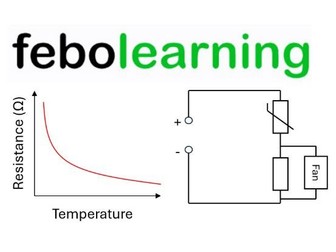
Separate lessons for higher and foundation courses on Circuit Devices. Combined Science (Foundation) Combined Science (Higher) and Single Science … Learning Objectives Describe the function of an LED, LDR and thermistor. Explain the shape of resistance graphs for LDRs and thermistors. Explain how LRDs and thermistors can be used in sensing circuits. … All Lessons Contain Starter activity (retrieval practice/recall) Teach/Check/Practice (I do/We do/You do) cycles with tasks which demonstrate that the learning objectives have been met in student books Check phases are compatible with cold-calling, mini-white boards or can be delivered as quick quizzes in books. Practice phases encourage writing in full sentences using correct vocabulary and phrasing Opportunities for assessment for learning and independent practice with scaffolded tasks building to independence. Self-assessment answer slides Challenge extension work for higher ability students SEND adaptations: lessons are chunked to avoid working memory overload, blue background for Irlens, word banks are provided, text is broken up for dyslexia and a consistent format is followed for ASD. … Also in this topic: Current and Circuit Symbols Resistance Calculations Investigating Resistance IV Characteristics Circuit Devices Series Circuits Parallel Circuits Investigating Resistance in Series and Parallel Circuits Revision Higher Revision Foundation Free Supplementary Materials … This lesson is suitable for supply teaching, cover supervisors and home learning (remote, distance or online). It is fully self-explanatory and can be delivered without specialist knowledge. This presentation is fully editable.
Investigating Resistance in a Wire Lesson GCSE PhysicsQuick View
Dr_Troilo

Investigating Resistance in a Wire Lesson GCSE Physics

(0)
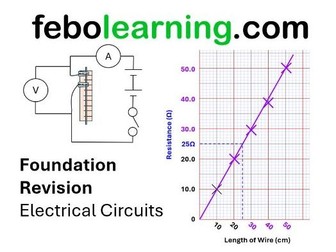
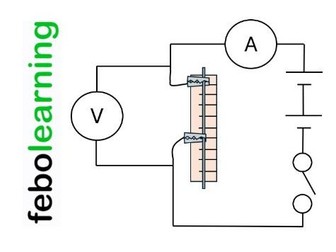
Separate lessons for higher and foundation courses on Investigating Resistance in a Wire. This graph drawing part of this lesson can be completed on graph paper. Alternatively, there is a printable sheet to work from at the end of the presentation which has some additional scaffolding. Combined Science (Foundation) Combined Science (Higher) and Single Science … Learning Objectives Describe an experiment to test how the length of a wire in a circuit can affect its resistance. Explain how to take measurements using an ammeter and a voltmeter and calculate resistance from them. Plot a graph using secondary data and analyse these results. … All Lessons Contain Starter activity (retrieval practice/recall) Teach/Check/Practice (I do/We do/You do) cycles with tasks which demonstrate that the learning objectives have been met in student books Check phases are compatible with cold-calling, mini-white boards or can be delivered as quick quizzes in books. Practice phases encourage writing in full sentences using correct vocabulary and phrasing Opportunities for assessment for learning and independent practice with scaffolded tasks building to independence. Self-assessment answer slides Challenge extension work for higher ability students SEND adaptations: lessons are chunked to avoid working memory overload, blue background for Irlens, word banks are provided, text is broken up for dyslexia and a consistent format is followed for ASD. Careers are integrated into the lesson. Careers links have a gold star in the corner to identify them easily … Also in this topic: Current and Circuit Symbols Resistance Calculations Investigating Resistance IV Characteristics Circuit Devices Series Circuits Parallel Circuits Investigating Resistance in Series and Parallel Circuits Revision Higher Revision Foundation Free Supplementary Materials … This lesson is suitable for supply teaching, cover supervisors and home learning (remote, distance or online). It is fully self-explanatory and can be delivered without specialist knowledge. This presentation is fully editable.
Calculating Resistance Lesson GCSE PhysicsQuick View
Dr_Troilo

Calculating Resistance Lesson GCSE Physics

(0)
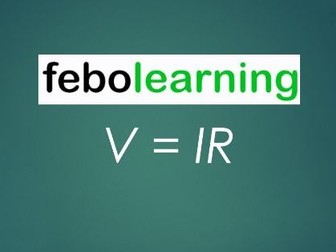
Separate lessons for higher and foundation courses on Calculating Resistance Combined Science (Foundation) Combined Science (Higher) and Single Science … Learning Objectives Calculate resistance from current and potential difference (V = IR) State what is meant by an ohmic conductor Explain how some components have a changing resistance … All Lessons Contain Starter activity (retrieval practice/recall) Teach/Check/Practice (I do/We do/You do) cycles with tasks which demonstrate that the learning objectives have been met in student books Check phases are compatible with cold-calling, mini-white boards or can be delivered as quick quizzes in books. Practice phases encourage writing in full sentences using correct vocabulary and phrasing Opportunities for assessment for learning and independent practice with scaffolded tasks building to independence. Self-assessment answer slides Challenge extension work for higher ability students SEND adaptations: lessons are chunked to avoid working memory overload, blue background for Irlens, word banks are provided, text is broken up for dyslexia and a consistent format is followed for ASD. Careers are integrated into the lesson. Careers links have a gold star in the corner to identify them easily … Also in this topic: Current and Circuit Symbols Resistance Calculations Investigating Resistance IV Characteristics Circuit Devices Series Circuits Parallel Circuits Investigating Resistance in Series and Parallel Circuits Revision Higher Revision Foundation Free Supplementary Materials … This lesson is suitable for supply teaching, cover supervisors and home learning (remote, distance or online). It is fully self-explanatory and can be delivered without specialist knowledge. This presentation is fully editable.
Density and Particles Lesson GCSE Single Science PhysicsQuick View
Dr_Troilo

Density and Particles Lesson GCSE Single Science Physics

(0)
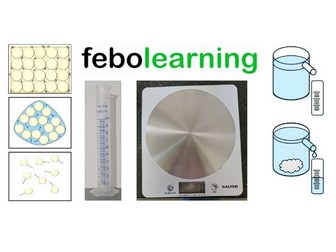
Single Science Lesson on Density and the Particle Model Single Science GCSE only. For combined double award click here for density and here for particles. … Learning Objectives Use the particle model to explain density differences between the three states of matter Calculate density from mass and volume Describe how to find the volume of different substances including using a eureka can for irregularly shaped objects … All Lessons Contain Starter activity (retrieval practice/recall) Teach/Check/Practice (I do/We do/You do) cycles with tasks which demonstrate that the learning objectives have been met in student books Check phases are compatible with cold-calling, mini-white boards or can be delivered as quick quizzes in books. Practice phases encourage writing in full sentences using correct vocabulary and phrasing Opportunities for assessment for learning and independent practice with scaffolded tasks building to independence. Self-assessment answer slides Challenge extension work for higher ability students SEND adaptations: lessons are chunked to avoid working memory overload, blue background for Irlens, word banks are provided, text is broken up for dyslexia and a consistent format is followed for ASD. Careers are integrated into the lesson. Careers links have a gold star in the corner to identify them easily … This lesson is suitable for supply teaching, cover supervisors and home learning (remote, distance or online). It is fully self-explanatory and can be delivered without specialist knowledge. This presentation is fully editable. … … Also in this topic Particle Model and Gas Pressure COMBINED ONLY Density of Materials COMBINED ONLY Particle Model and Density SINGLE ONLY Internal Energy and Changes of State Specific Latent Heat Gas Pressure SINGLE ONLY Particles Revision (Combined Science) Particles Revision (Single Science)