Powerpoint looking at GCSE World & Lives Poetry ‘Name Journeys’
Includes ‘retrieval practice’, ‘Ideas and themes’, step by step analysis, discussion points, hinge point questions, time for practice, self assessment points
Clear, step-by-step exploration of the Hero’s Journey structure, with visual aids and memorable examples
Retrieval practice activities to activate prior knowledge and boost long-term retention
Hinge-point questions to check understanding and adapt teaching in real time
Opportunities for skill development, including analytical writing and narrative planning
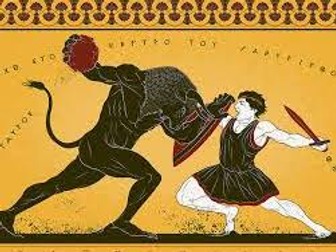
Challenging core text: a rich and thought-provoking extract from Theseus and the Minotaur
Suggested homework task to consolidate learning and encourage independent thinking
A fully resourced lesson designed for the new AQA GCSE English Language Paper 1 (2026 exam series), focusing on Question 1 (retrieval) and Question 2 (language analysis). This lesson is ideal for KS4 students preparing for the updated specification and includes everything needed to teach, model, and practise both questions.
AQA-style Question 1 and Question 2 tasks (2026 format)
A high-quality model answer for Question 2 (Level 4 – 8 marks)
A clear, student-friendly mark scheme for Question 2
Planning support for students (linked to subject terminology and structure)
Peer/self-assessment opportunities built in
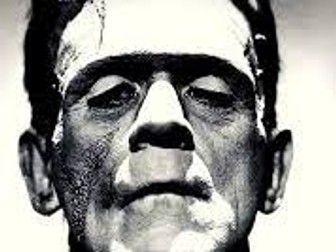
An engaging and immersive reading experience designed to bring Mary Shelley’s Frankenstein to life in the classroom. This resource blends powerful visuals and hinge point questions to encourage deep thinking, spark discussion, and develop analytical skills.
Ideal for KS4 and KS3 literature students studying the novel for GCSE, or enrichment, this resource helps students connect with the text on a visual and emotional level while building comprehension and interpretation skills.