Animal Farm Readers' Theatre UnitQuick View
Jackhwdsb

Animal Farm Readers' Theatre Unit

(0)
Included in the Animal Farm Readers’ Theatre Unit: 101 page script Quiz with 54 questions with answers Quizzes for each chapter with answers 63 analytical questions Questions for each chapter Themes featured in Animal Farm Student Success Criteria Student Friendly Goals Teacher’s Reader’s Theatre Checklist Animal Farm synopsis: An allegorical satire where Manor Farm animals, led by pigs Napoleon and Snowball, overthrow their human master to create an equal society. Over time, Napoleon drives out Snowball, establishing a totalitarian dictatorship. The pigs abuse power, eventually becoming indistinguishable from humans, reflecting the Russian Revolution’s corruption. Do not fear the reader’s theater format. Students love these adapted stories because they are listening to the story and they are a part of the story by playing a character within the story. Reader’s theatre inspires reluctant readers to join in the fun. The strongest and most advanced readers in your class will encourage other students to raise their hand and participate in the story. I also use reader’s theatre to add to my drama marks. If the reader’s theatre format did not work for my students and I, then I would have stopped creating and adapting them years ago. Reluctant readers sometimes feel anxious looking at pages of text, whereas a reader’s theater script is broken up into narration and different characters speaking, thus making the story more accessible to those students who have not discovered the incredibly fun activity of reading for entertainment. I use shorter stories with minimal characters in literature circles. Saving Paper My administration team does not allow many paper copies to be made from the photocopier, and we are subjected to a quota every month. I usually project the story onto a screen so everyone can see it. Paper is saved that way. Every school board is different, so do what is best for you and your students. :) When can one make time for a reader’s theatre story in class? When I am not reading a reader’s theatre unit with my class, I usually reserve Friday’s for the reading of a one-off story. It is an event that the class looks forward to, since they do not know which story I will choose. Great for Librarians and small groups. I project the stories on the screen and assign characters in class. Some characters only have 1 line. A supporting character like that is perfect for a reluctant reader. I have read these stories remotely/online and in class/in-person. I encourage teachers and instructors to allow students to practice their parts at home before they read in front of the class. They can try different voices and tones when they practice. It is also good for family bonding time. The student’s parent/guardian can play another role and they can read together. I hope you, and your students enjoy reading and discussing Animal Farm, and continue to do so for many years. Excelsior! Mr. Marvel: The King of Reader’s Theatre
The Red Badge of Courage Reader's Theatre Script Unit -Stephen CraneQuick View
Jackhwdsb

The Red Badge of Courage Reader's Theatre Script Unit -Stephen Crane

(0)
Included in The Red Badge of Courage Reader’s Theatre Unit: 113 page script divided across 24 chapters. Questions: Chapters 1-3 = 11 Questions Chapters 4-7 = 11 Questions Chapters 8-10 = 11 Questions + definitions and questions on: Realism, description, sensory detail, symbol and antihero Chapters 11-15 = 11 Questions + definitions and questions on: Crisis and irony. Chapters 16-20 = 11 Questions + definitions and questions on: Description and suspense Chapters 21-24 = 11 Questions + definitions and questions on: Character, symbol, metaphor and Freytag’s Pyramid. Quizzes: *42 multiple choice questions about the entire novel with answer page. *A quiz on each chapter along with the answers for: Chapter 1 = 5 multiple choice questions Chapters 2-4 = 5 multiple choice questions Chapters 5-7 = 5 multiple choice questions Chapters 8-10 = 5 multiple choice questions Chapters 11-12 = 5 multiple choice questions Chapters 16-17 = 5 multiple choice questions Chapters 18-19 = 5 multiple choice questions Chapters 21-22 = 5 multiple choice questions Chapters 23-24 = 5 multiple choice questions Short Answer Questions: Chapters 1-2 = 5 questions Chapters 3-5 = 4 questions Chapters 6-9 = 11 questions Chapters 10-13 = 9 questions Chapters 14-17 = 7 questions Chapters 18-21 = 7 questions Chapters 22-24 = 5 questions Advanced Questions: Chapters 1-3 = 3 questions Chapters 4-7 = 3 questions Chapters 8-10 = 3 questions Chapters 11-13 = 3 questions Chapters 16-20 = 4 questions Chapters 21-24 = 4 questions 23 Short Essay Questions 50 Discussion Questions with answers 5 Creative Writing Prompts 4 Projects to choose from: *The Civil War *Portraying War in Art *Role Playing a Scene from the Novel *Listening to the Voices of War time Historical Context of The Red Badge of Courage: *The Civil War *The Battle of Chancellorsville *Literary Movements of the Late 19th Century *Understanding the text *Military Terms *Dialect in the novel 2 page biography of Stephen Crane List of Literary Terms Major and Minor Characters in The Red Badge of Courage 1 page of excerpts of Letters from Civil War Soldiers *5 excerpts The Red Badge of Courage Synopsis: Published on October 1st, 1895, Stephen Crane’s Henry Fleming has joined the Union army because of his romantic ideas of military life, but soon finds himself in the middle of a battle against a regiment of Confederate soldiers. Terrified, Henry deserts his comrades. Upon returning to his regiment, he struggles with his shame as he tries to redeem himself and prove his courage on the battlefield. Crane had never personally experienced battle, so he drew heavy inspiration from Century Magazine, a periodical known for its articles about the American Civil War. However, he criticized the articles for their lack of emotional depth and decided to write a war novel of his own. The manuscript was first serialized by The Philadelphia Press and quickly won Crane international acclaim before he died in June 1900 at the age of 28.
The Wind in the Willows Reader's Theatre Script with QuestionsQuick View
Jackhwdsb

The Wind in the Willows Reader's Theatre Script with Questions

(0)
Included in the Wind in the Willows Reader’s Theatre Unit: 35 page script (This is a truncated version of the original story) Chapter 1: 6 pages and 4 characters. Chapter 2: 4 pages and 3 characters. Chapter 3: 3 pages and 2 characters. Chapter 4: 3 pages and 3 characters. Chapter 5: 5 pages and 5 characters. Chapter 6: 7 pages and 5 characters. Chapter 7: 4 pages and 4 characters. Chapter 8: 3 pages and 3 characters. 11 characters + the narrator 27 questions: 18 multiple choice and 9 short answer questions. 1 page of character descriptions 12 Book Report Choice Board Activities that extends the readers understanding of the story. Students should complete at least 3. Book Report Rubric based on 4 levels Drawing conclusions about Characters activity Reader’s Theatre Evaluations based on 4 levels and 5 criteria. Student Success Criteria Student Friendly Goals Teacher’s Reader’s Theatre Checklist The Wind in the Willows synopsis: First published in 1908 by Kenneth Grahame, the Wind in the Willows follows the trio of Mole, Rat, and Badger as they try to help Mr. Toad, after he becomes obsessed with motorcars and gets arrested for grand theft auto. I hope you and your students have fun reading The Wind in the Willows. Excelsior! Mr. Marvel: The King of Reader’s Theatre
Anne of Green Gables Reader's Theatre Script -Lucy Maud MontgomeryQuick View
Jackhwdsb

Anne of Green Gables Reader's Theatre Script -Lucy Maud Montgomery

(0)
Included in the Anne of Green Gables Reader’s Theatre Unit: 352 page script featuring 24 characters + the narrator 38 chapters. 51 Chapter Questions 20 Long Form/Discussion Questions Reader’s Theatre Evaluations based on 4 levels and 5 criteria. Student Success Criteria Student Friendly Goals Teacher’s Reader’s Theatre Checklist Anne of Green Gables synopsis: Published in 1908, Anne of Green Gables is set in the late 19th century, and recounts the adventures of an 11 year old orphan girl named Anne Shirley who is sent by mistake to Matthew and Marilla Cuthbert, who had originally intended to adopt a boy to help them on their farm in the fictional town of Avonlea in Prince Edward Island, Canada. I hope you, and your students have a fun time reading Anne of Green Gables. Excelsior! Mr. Marvel: The King of Reader’s Theatre
Brave New World Reader's Theatre Script Aldous Huxley DystopiaQuick View
Jackhwdsb

Brave New World Reader's Theatre Script Aldous Huxley Dystopia

(0)
Included in the Brave New World Reader’s Theatre Script: 294 page script divided among 18 chapters 53 analytical questions that range from easy to challenging Student Reader’s Theatre Evaluations based on 4 levels and 5 criteria. Student Success Criteria Student Friendly Goals Reader’s Theatre Checklist 12 Book Report Choice Board Activities Book Report Rubric based on 4 levels Brave New World synopsis: “Brave New World,” written by Aldous Huxley, and published in 1932, follows several characters who live in the World State: a technologically advanced society that creates life in factories, denounces monogamous relationships and focuses on physical pleasure or feelies. Bernard Marx, an Alpha Plus conditioning specialist, does not fit in having what is assumed to be an accident during his test tube creation. He resists societal norms and his reprimanded by the Director. Bernard travels to the Savage Reservation for research, where he meets a young man named John and his mother, Linda. After learning John is the abandoned son of the Director who wants to exile him, Bernard brings John and Linda back to the World State, meeting great fame. However, John is horrified by the way people live there. He wants to marry a lady named Lenina. When John tells Lenina what marriage is, she is repulsed by the idea, and thinks John is odd for mentioning such a strict union between them. Lenina tries to seduce him, but John admonishes her and demands that she leave his apartment. John’s mother becomes addicted to Soma and later dies. Feeling angered by his mother’s death and the inhumane way she is treated at the hospital, John disrupts a Soma distributor from dispensing the pills. This causes Bernard and his best friend, Helmholtz, to be exiled when they assist John in the disruption. Before the exile, John has a lengthy discussion with Controller Mustapha Mond, and realizes that books such as the Bible and the works of William Shakespeare are banned and only the elite, such as Mond, are able to access them. Mond explains that social stability has required the sacrifice of art, science, and religion. John protests that statement, saying that without these things, human life is not worth living. Will John be able to cope with this “Brave New World?” I hope you, and your students enjoy reading and discussing Brave New World. Excelsior! Mr. Marvel: The King of Reader’s Theatre
Lord of the Flies Reader's Theatre Script/Story -William Golding -QuizQuick View
Jackhwdsb

Lord of the Flies Reader's Theatre Script/Story -William Golding -Quiz

(0)
Included in the Lord of the Flies Reader’s Theatre Unit: 285 page story divided among 12 chapters: Chapter 1: The Sound of the Shell 37 pages with 12 characters + the narrator Chapter 2: Fire on the Mountain 23 pages with 8 characters + the narrator Chapter 3: Huts on the Beach 15 pages with 3 characters + the narrator Chapter 4: Painted Faces and Long Hair 23 pages with 8 characters + the narrator Chapter 5: Beast from Water 28 pages with 7 characters + the narrator Chapter 6: Beast from Air 22 pages with 8 characters + the narrator Chapter 7: Shadows and Tall Trees 23 pages with 9 characters + the narrator Chapter 8: Gift for the Darkness 30 pages with 10 characters + the narrator Chapter 9: A View to a Death 12 pages with 4 characters + the narrator Chapter 10: The Shell and the Glasses 26 pages with 10 characters + the narrator Chapter 11: Castle Rock 21 pages with 7 characters + the narrator Chapter 12: Cry of the Hunters 25 pages with 7 characters + the narrator Major Characters in Lord of the Flies 4 pages The Lord of the Flies Multiple Choice Quiz 100 questions with answers 12 Book Report Choice Board Activities that extends the readers understanding of the story. Short Answer Questions (links provided) 26 Analytical Questions Student Evaluations based on 4 levels and 5 criteria. Student Success Criteria Student Friendly Goals Reader’s Theatre Checklist The Lord of the Flies synopsis: Published in 1954 by Nobel Prize winning author William Golding, and included on many lists citing Lord of the Flies as one of the top 100 English-language books that everyone should read. A group of British boys crash lands on a deserted island. The boys vote for an athletic boy named Ralph to be their chief. A tall boy named Jack is assigned the role of hunter. A boy named Piggy acts as the intellectual of the group. As the days pass, there is a power struggle between Ralph and Jack as they try to establish rules and govern themselves. The more they try to become civilized, the more chaos erupts on the island. There is also a beast that is frightening most of the boys; especially the lilluns. Tempers flare and death is added to their troubles. Will the boys be able to survive the beast and each other before they can be rescued…if they are ever rescued?
Invasion of the Body Snatchers Reader's Theatre Script -Questions & RubricQuick View
Jackhwdsb

Invasion of the Body Snatchers Reader's Theatre Script -Questions & Rubric

(0)
Included in the Invasion of the Body Snatchers Reader’s Theatre Unit: 240 page script divided among 21 chapters 24 characters 55 questions 3 Essay Questions (With Answers) 3 pages of Novel Analysis Reader’s Theatre Evaluations based on 4 levels and 5 criteria. Student Success Criteria Student Friendly Goals Teacher’s Reader’s Theatre Checklist Invasion of the Body Snatchers synopsis: On a quiet fall evening in the small, peaceful town of Mill Valley, California, Dr. Miles Bennell discovers an insidious, horrifying plot. Silently, subtly, almost imperceptibly, alien life-forms were taking over the bodies and minds of his neighbors, his friends, his family, the woman he loved—the world as he knew it. Chapter 1: A Familiar Face 12 pages with 3 characters + the narrator Chapter 2: Wilma’s Concern 12 pages with 4 characters + the narrator Chapter 3: Contagious Neurosis 11 pages with 8 characters + the narrator Chapter 4: Notice Anything Strange? 19 pages with 4 characters + the narrator Chapter 5: Just Not Himself 10 pages with 4 characters + the narrator Chapter 6: Steady Awareness 10 pages with 4 characters + the narrator Chapter 7: Hidden Away in Secret Places 10 pages with 3 characters + the narrator Chapter 8: The Human Animal 12 pages with 5 characters + the narrator Chapter 9: The Blanks 11 pages with 6 characters + the narrator Chapter 10: Broken Lines of Communication 12 pages with 4 characters + the narrator Chapter 11: Mindless Impulse 7 pages with 4 characters + the narrator Chapter 12: Something to Fear 14 pages with 5 characters + the narrator Chapter 13: What’s Going On? 13 pages with 12 characters + the narrator Chapter 14: An Appeal for Help 11 pages with 2 characters + the narrator Chapter 15: Things Have Changed 11 pages with 2 characters + the narrator Chapter 16: It Doesn’t Hurt 11 pages with 4 characters + the narrator Chapter 17: How Did It Happen? 8 pages with 3 characters + the narrator Chapter 18: Skeletons in the Closet 12 pages with 4 characters + the narrator Chapter 19: Dead and Forsaken 6 pages with 4 characters + the narrator Chapter 20: Silent and Motionless 5 pages with 1 character Chapter 21: A Fierce and Inhospitable Planet 3 pages with 1 character I hope you, and your students have a thrilling time reading Invasion of the Body Snatchers. Excelsior! Mr. Marvel: The King of Reader’s Theatre

Heart of Darkness Reader's Theatre Script Unit -Joseph ConradQuick View
Jackhwdsb

Heart of Darkness Reader's Theatre Script Unit -Joseph Conrad

(0)
Included in the Heart of Darkness Reader’s Theatre Unit: 83 page script divided into 3 parts 18 character’s + the narrator The Themes of Heart of Darkness (3 pages) The Symbols of Heart of Darkness (2 pages) The Motifs of Heart of Darkness (1 page) The Setting of Heart of Darkness (1 page) The Genre of Heart of Darkness (1 page) The Style of Heart of Darkness (2 pages) The Point of View of Heart of Darkness (1 page) The Tone of Heart of Darkness (1 page) Foreshadowing in Heart of Darkness (1 page) Ending Analysis of Heart of Darkness (3 pages) Three Act Plot Analysis of Heart of Darkness (1 page) Historical Context of Heart of Darkness (2 pages) 25 Essay Topics on Heart of Darkness Character Analysis on 19 Characters in Heart of Darkness (7 pages) Is Heart of Darkness a Racist Story? (1 page) Joseph Conrad Biography (2 pages) The Novella’s Basis for Apocalypse Now (3 pages) Selected Captain Willard Monologues x21 (5 pages) The Hollow Men Poem by Thomas Sterns Eliot Heart of Darkness Quiz - 80 Multiple Choice Questions with Answers Heart of Darkness Part 1 Multiple Choice Quiz: 10 Questions with Answers Heart of Darkness Part 2 Multiple Choice Quiz: 10 Questions with Answers Heart of Darkness Part 3 Multiple Choice Quiz: 10 Questions with Answers Student Evaluation Pages and Success Criteria pages Heart of Darkness Synopsis: Published in 1899, Joseph Conrad’s Heart of Darkness is set in an atmosphere of mystery and menace, and tells of Charlie Marlow’s perilous journey up the Congo River to relieve the Company’s agent, the renowned and formidable Mister Kurtz. What Marlow sees on his journey, and his eventual encounter with Kurtz, horrify and perplex him, and call into question the very bases of civilization and human nature. Reader Discretion: I have removed racial slurs from the script. I hope you and your students enjoy reading and analyzing Joseph Conrad’s Heart of Darkness. Excelsior! Mr. Marvel: The King of Reader’s Theatre

Seasonal Readers' Theatre Scripts and Poetry - x8 Scripts - x6 PoemsQuick View
Jackhwdsb

Seasonal Readers' Theatre Scripts and Poetry - x8 Scripts - x6 Poems

(0)
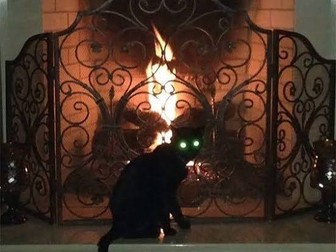
Included in the Season Readers’ Theatre and Poetry unit: Student Success Criteria for all scripts Student Friendly Goals for all scripts Teacher’s Reader’s Theatre Checklist for all scripts 6 Poems That is what I like about Winter 4 verses with 3 lines each Fun on Groundhog Day 4 verses with 4 lines each When is Spring? 3 verses with 4 lines each Summer Feelings 4 verses with 4 lines each The Sounds of Autumn 2 verses with 5 lines each and 1 verse with 7 lines Happy New Year! 4 verses with 2 lines each 8 Scripts Bruno the Greedy Bear (Winter/Christmas Story) 3 narrators - 4 characters - 4 pages Herman and Junior are out caroling on Christmas Eve. When they arrive at Bruno’s house, he throws a bucket of water on them and yells Bah Humbug at their Christmas spirits. Junior has a plan to lighten up Bruno’s heart. Will the plan work? David and the Snow (Winter Story) 3 narrators - 6 characters - 5 pages David and his family move to a snowy part of America. David is fascinated with snow because he has never experienced it. Before he runs ouside, his parents and grandparents prepare him for the winter snow by instucting David on how to properly dress himself for a colder climate. How will David like the snow? Will he miss his former warmer climate? The Tasty Valentines (Valentines Day Story) 3 narrators - 3 characters - 4 pages Leo the mouse lives in a hole in Arthur’s room. One day, Leo wants to rush out and down to the kitchen to eat some cheese but Arthur and his sister, Jane, are busy making Valentine’s Day decorations. Leo catches a new aroma… the smell of glue. Will Leo be able look at the decorations and nibble a bit of cheese? Junior’s Big Joke (April Fool’s Day Story) 3 narrators - 3 characters - 4 pages The Mud Turtles’ Easter Surprise (Spring/Easter Story) 3 narrators - 3 characters - 5 pages Scamper and the Big Bamboozle (The Fourth of July/Birthday Story) 3 narrators - 5 characters - 6 pages Scamper wishes that his birthday fell on the same day as the circus coming to town and on the Fourth of July. After making his wish under the magical Boozle tree, Scamper finds his wish come true, but will the day be too much for him to handle? The Picnic On Moon Mountain (Halloween Story) 3 narrators - 4 characters - 4 pages Brynlee the witch and her cat, Oscar, have a tradition: every Halloween, they fly through the air with the other witches. Unfortunately, Oscar admits that he is afraid of heights and and would prefer a quiet night indoors by the fireplace. Brynlee makes a compromise and tells Oscar that if he flies around with her that night then they can have a picnic on Moon Mountain. During the picnic, Brynlee and Oscar meet another witch and cat who may change their perspective of their tradition. Thanksgiving Dinner 3 narrators - 8 characters - 2 pages
Where's Godfrey Groundhog Readers' Theatre Unit & Poetry -2 ScriptsQuick View
Jackhwdsb

Where's Godfrey Groundhog Readers' Theatre Unit & Poetry -2 Scripts

(0)
Included in the Where’s Godfrey Groundhog? Readers’ Theatre Unit: Where’s Godfrey Groundhog? 7 page script 1-3 narrators 5 characters 15 metacognitive/discussion questions It’s Groundhog Day! 2 page script 1-3 narrators 8 characters Student Success Criteria for both scripts Student Friendly Goals for both scripts Teacher’s Reader’s Theatre Checklist for both scripts Fun on Groundhog Day Poem 1 page 3 4-lined stanzas When is Spring? Poem 1 page 3 4-lined stanzas That’s What I Like About Winter Poem 1 page 4 3-lined stanzas Mr. Marvel’s Musings Where’s Godfrey Groundhog? is a script best utlized with junior grades and up. It’s Groundhog Day is good for primary grades or emerging readers. Where’s Godfrey Groundhog? synopsis: Godfrey goes missing on Groundhog Day when ski resort tycoon Ronnie Raccoon abducts Godfrey so he cannot predict the weather. If Godfrey predicts an early spring, then Ronnie’s ski resort will shut down for the season. The animals of Gobbler’s Knob are worried. Will they be able to find Godfrey? Find out in the Where’s Godfrey Groundhog? Readers’ Theatre unit! I hope you, and your students enjoy reading these 2 stories and the poems, and continue to do so for many years. Happy Groundhog Day and Excelsior! Mr. Marvel: The King of Reader’s Theatre
The Tale of Phil: A Groundhog Musical Readers' Theatre UnitQuick View
Jackhwdsb

The Tale of Phil: A Groundhog Musical Readers' Theatre Unit

(0)
Included in the Tale of Phil: A Groundhog Musical Readers’ Theatre Unit: 17 page script 6 characters 1-3 narrators 6 songs/poetry that are 1-2 pages 15 metacognitive/discussion questions 1 page explaining “What is Groundhog Day?” Student Success Criteria Student Friendly Goals Teacher’s Reader’s Theatre Checklist The Tale of Phil: A Groundhog Musical synopsis: This year, it is Phil’s turn to predict the weather. His parents have passed on the tradition to him, but Phil doesn’t feel like he is ready to do such a job. Phil’s five friends enter his burrow and do their best to convince Phil through song and dialogue, why he is the best groundhog for the job. Will they be able to convince Phil, or will Groundhog Day be cancelled or possibly replaced by one of his friend’s predictions? Who is ready for Raccoon Day or Deer Day? Find out in The Tale of Phil: A Groundhog Musical Readers’ Theatre Unit! Mr. Marvel’s Musings: Half of my class was comfortable singing, while the other half was not so confident to sing in class. I said they could also say the musical lines as a poem. The more we practiced, the more inclined the students felt to sing because they saw and heard everyone else singing so they became more comfortable. -These songs have no melodies, so I had groups of students create melodies for each of the 6 songs, and then teach it to the class. -There was some ice breaking with this unit because this cohort did not feel comfortable singing; especially the boys. With time, they did sing or rap, the lines. It took my class 2 weeks of practice to get through the script without freezing, low volume or nervous laughter. As stated before, if your class loves readers’ theatre scripts but they don’t want to sing, then the musical numbers could be spoken as poetry. It is a fun story no matter how it is presented. Musically or not. The student critiques were mixed. Students either did not like the singing/music and wanted to read stories that only contained dialogue, while others loved singing and hope for more musical readers’ theatre stories. I hope your class has fun with the story. Some students liked hearing the musical numbers sung, but they did not want to sing. I am speaking on behalf of a grade 5 class. Maybe other grades and cohorts are more adventurous. It is an experiement. Time will tell. Do not fear the reader’s theater format. Students love these adapted stories because they are listening to the story and they are a part of the story by playing a character within the story. Reader’s theatre inspires reluctant readers to join in the fun. The strongest and most advanced readers in your class will encourage other students to raise their hand and participate in the story. I also use reader’s theatre to add to my drama marks. If the reader’s theatre format did not work for my students and I, then I would have stopped creating and adapting them years ago.
Will There Be An Early Spring, Phil? Readers' Theatre UnitQuick View
Jackhwdsb

Will There Be An Early Spring, Phil? Readers' Theatre Unit

(0)
Included in the Will There Be An Early Spring, Phil? Readers’ Theatre unit: 8 page script 13 characters 1-3 narrators 15 metacognitive/discussion questions 1 page explaining “What is Groundhog Day?” Student Success Criteria Student Friendly Goals Teacher’s Reader’s Theatre Checklist Book Review Task Will There Be an Early Spring, Phil? synopsis: The animals of Gobbler’s Knob are confused this winter. Punxsutawney Phil always predicts the weather on February 2nd, but this year, Frank Fox has made a prediction. Phil says there will be an early spring, while Frank says there will be six more weeks of winter. The animals don’t know what to do. They slowly begin to realize that Phil is correct, but when they try to convince Frank Fox, he dismisses their findings and tells them to go back to sleep. What will the animals of Gobbler’s Knob do? How can they convince Frank Fox that spring has sprung and they should stop hibernating? Find out in the Will There Be An Early Spring, Phil? readers’ theatre unit! Mr. Marvel’s Musings: The metacognitive questions can also be answered in a class discussion. Written individual work or a class discussion. It depends on the grade I am teaching or if my time is limited in a librarian position. The questions can apply to both formats. Do not fear the reader’s theater format. Students love these adapted stories because they are listening to the story and they are a part of the story by playing a character within the story. Reader’s theatre inspires reluctant readers to join in the fun. The strongest and most advanced readers in your class will encourage other students to raise their hand and participate in the story. I also use reader’s theatre to add to my drama marks. If the reader’s theatre format did not work for my students and I, then I would have stopped creating and adapting them years ago. I hope you, and your students enjoy reading Will There Be An Early Spring, Phil? and continue to do so for many years. Happy Groundhog Day and Excelsior! Mr. Marvel: The King of Reader’s Theatre
Freddy's Big Day Readers' Theatre UnitQuick View
Jackhwdsb

Freddy's Big Day Readers' Theatre Unit

(0)
Included in Freddy’s Big Day Readers’ Theatre Unit: 6 page script 7 characters 1-3 narrators 15 metacognitive/discussion questions 1 page explaining “What is Groundhog Day?” Student Success Criteria Student Friendly Goals Teacher’s Reader’s Theatre Checklist Freddy’s Big Day synopsis: Freddy’s parents have informed their son that this February 2nd, he will be popping out of his burrow and predicting the weather. Unfortunately, Freddy can be careless and reckless when he begins to dig; destroying other animals and insects homes in the process. Before he hibernates, Freddy begins to doubt his abilities and wonders if he can be famous for something else. Will Freddy be ready for his big day? Find out in Freddy’s Big Day Readers’ Theatre Unit! Mr. Marvel’s Musings: The metacognitive questions can also be answered in a class discussion. Written individual work or a class discussion. It depends on the grade I am teaching or if my time is limited in a librarian position. The questions can apply to both formats. Do not fear the reader’s theater format. Students love these adapted stories because they are listening to the story and they are a part of the story by playing a character within the story. Reader’s theatre inspires reluctant readers to join in the fun. The strongest and most advanced readers in your class will encourage other students to raise their hand and participate in the story. I also use reader’s theatre to add to my drama marks. I encourage teachers and instructors to allow students to practice their parts at home before they read in front of the class. They can try different voices and tones when they practice. It is also good for family bonding time. The student’s parent/guardian can play another role and they can read together. I hope you, and your students enjoy reading Freddy’s Big Day and continue to do so for many years. Happy Groundhog Day and Excelsior! Mr. Marvel: The King of Reader’s Theatre

Wake Up, Gregory! Readers' Theatre UnitQuick View
Jackhwdsb

Wake Up, Gregory! Readers' Theatre Unit

(0)
Included in the Wake Up, Gregory! Readers’ Theatre Unit: 6 page script 1-3 narrators 6 characters 15 metacognitive/discussion questions 1 page explaining “What is Groundhog Day?” Student Success Criteria Student Friendly Goals Teacher’s Reader’s Theatre Checklist Wake Up, Gregory synopsis: Gregory is a sleepy groundhog who just wants to stay in bed a little longer on February 2nd. Gregory’s sleep is interrupted as a line of his friends knock on his door, eager to hear his weather predicition. Gregory tells them to go away and to give him more time to rest. Will Gregory’s friends be able to wake up the sleepy groundhog before February 2nd is over, or will Gregory sleep through Groundhog Day? Find out in the Wake Up, Gregory! readers’ theatre unit. Mr. Marvel’s Musings: The metacognitive questions can also be answered in a class discussion. Written individual work or a class discussion. It depends on the grade I am teaching or if my time is limited in a librarian position. The questions can apply to both formats. Do not fear the reader’s theater format. Students love these adapted stories because they are listening to the story and they are a part of the story by playing a character within the story. Reader’s theatre inspires reluctant readers to join in the fun. The strongest and most advanced readers in your class will encourage other students to raise their hand and participate in the story. I also use reader’s theatre to add to my drama marks. I encourage teachers and instructors to allow students to practice their parts at home before they read in front of the class. They can try different voices and tones when they practice. It is also good for family bonding time. The student’s parent/guardian can play another role and they can read together. I hope you, and your students enjoy reading Wake Up, Gregory! and continue to do so for many years. Happy Groundhog Day and Excelsior! Mr. Marvel: The King of Reader’s Theatre
Punxsutawney Phil: The Fearless Forecaster Readers' Theatre UnitQuick View
Jackhwdsb

Punxsutawney Phil: The Fearless Forecaster Readers' Theatre Unit

(0)
Included in the Punxsutawney Phil: The Fearless Forecaster Readers’ Theatre Unit: 9 page script 1-3 narrators 4 characters 1 page explaining “What is Groundhog Day?” 14 groundhog questions with answers 2 pages explaining The History of Punxsutawney Phil Student Success Criteria Student Friendly Goals Teacher’s Reader’s Theatre Checklist Punxsutawney Phil: The Fearless Forecaster synopsis: The Weasel family and Mr. Fox have been roaming around Phil, and his family’s burrow. Fearing for their safety as they prepare for winter, Phil and his family renovate their burrow so that hungry predators do not sneak in. After helping his family prepare their burrow for the winter and joining them in a long nap beneath the cold Pennsylvania snow, Punxsutawney Phil emerges on Groundhog Day to predict the weather. Mr. Marvel’s Musings: The 14 groundhog questions will require research. I was going to make them multiple choice questions, but I decided to make them research questions. Do not fear the reader’s theater format. Students love these adapted stories because they are listening to the story and they are a part of the story by playing a character within the story. Reader’s theatre inspires reluctant readers to join in the fun. The strongest and most advanced readers in your class will encourage other students to raise their hand and participate in the story. I also use reader’s theatre to add to my drama marks. If the reader’s theatre format did not work for my students and I, then I would have stopped creating and adapting them years ago. Reluctant readers sometimes feel anxious looking at pages of text, whereas a reader’s theater script is broken up into narration and different characters speaking, thus making the story more accessible to those students who have not discovered the incredibly fun activity of reading for entertainment. I use shorter stories with minimal characters in literature circles.When can one make time for a reader’s theatre story in class? I hope you, and your students enjoy reading Punxsutawney Phil: The Fearless Forecaster and continue to do so for many years. Happy Groundhog Day and Excelsior! Mr. Marvel: The King of Reader’s Theatre
Geoff's Prediction Readers' Theatre UnitQuick View
Jackhwdsb

Geoff's Prediction Readers' Theatre Unit

(0)
Included in the Geoff’s Prediction Readers’ Theatre Unit: 6 page script 1-3 narrators 4 characters - 2 major characters & 2 supporting characters 1 page explaining “What is Groundhog Day?” 15 metacognitive questions Book review activity Student Success Criteria Student Friendly Goals Teacher’s Reader’s Theatre Checklist Geoff’s Prediction synopsis: Everyone in town is excited to hear Geoff the groundhog’s prediction. He has endorsement deals and is the talk of the town. Weather reporter Murray Cowling also depends on Geoff’s prediction for his ratings. On February 2nd, everyone stands by his burrow in anticipation, but what if Geoff doesn’t wake up in time? What happens when Geoff wakes up but he isn’t sure if he sees his shadow? Will it be an early spring or a long winter? What will happen to Murray’s ratings? Find out in the Geoff’s Prediction readers’ theatre unit! Do not fear the reader’s theater format. Students love these adapted stories because they are listening to the story and they are a part of the story by playing a character within the story. Reader’s theatre inspires reluctant readers to join in the fun. The strongest and most advanced readers in your class will encourage other students to raise their hand and participate in the story. I also use reader’s theatre to add to my drama marks. If the reader’s theatre format did not work for my students and I, then I would have stopped creating and adapting them years ago. Reluctant readers sometimes feel anxious looking at pages of text, whereas a reader’s theater script is broken up into narration and different characters speaking, thus making the story more accessible to those students who have not discovered the incredibly fun activity of reading for entertainment. I use shorter stories with minimal characters in literature circles.When can one make time for a reader’s theatre story in class? When I am not reading a reader’s theatre unit with my class, I usually reserve Friday’s for the reading of a one-off story. It is an event that the class looks forward to, since they do not know which story I will choose. Great for Librarians and small groups. I project the stories on the screen and assign characters in class. Some characters only have 1 line. A supporting character like that is perfect for a reluctant reader. I have read these stories remotely/online and in class/in-person. I encourage teachers and instructors to allow students to practice their parts at home before they read in front of the class. They can try different voices and tones when they practice. It is also good for family bonding time. The student’s parent/guardian can play another role and they can read together. I hope you, and your students enjoy reading Geoff’s Prediction and continue to do so for many years. Happy Groundhog Day and Excelsior! Mr. Marvel: The King of Reader’s Theatre

Carl the Groundhog Sells His Shadow Readers' Theatre UnitQuick View
Jackhwdsb

Carl the Groundhog Sells His Shadow Readers' Theatre Unit

(0)
Included in the Carl the Groundhog Sells His Shadow Readers’ Theatre Unit: 10 page script 1-3 narrators 10 characters - 4 Major Characters 1 page “What is Groundhog Day?” 18 metacognitive questions Book review activity Student Success Criteria Student Friendly Goals Teacher’s Reader’s Theatre Checklist Carl the Groundhog Sells His Shadow synopsis: Another February 2nd has ended in sighs and disappoinemt as Carl predicts six more weeks of winter. Carl the groundhog doesn’t like seeing the sad faces of the reporters when winter is extended so to ease the burden, he decides to sell his shadow. After the announcement, Freddy Fox offers to buy Carl’s shadow. Carl agrees and let’s Freddy Fox have it. What plans does Freddy Fox have for one of the most famous shadows in the world? How will Carl explain to his wife and friends that he no longer has a shadow? What will happen on the next Groundhog Day? Find out in Carl the Groundhog Sells His Shadow Readers’ Theatre Unit! Do not fear the reader’s theater format. Students love these adapted stories because they are listening to the story and they are a part of the story by playing a character within the story. Reader’s theatre inspires reluctant readers to join in the fun. The strongest and most advanced readers in your class will encourage other students to raise their hand and participate in the story. I also use reader’s theatre to add to my drama marks. If the reader’s theatre format did not work for my students and I, then I would have stopped creating and adapting them years ago. Reluctant readers sometimes feel anxious looking at pages of text, whereas a reader’s theater script is broken up into narration and different characters speaking, thus making the story more accessible to those students who have not discovered the incredibly fun activity of reading for entertainment. I use shorter stories with minimal characters in literature circles.When can one make time for a reader’s theatre story in class? When I am not reading a reader’s theatre unit with my class, I usually reserve Friday’s for the reading of a one-off story. It is an event that the class looks forward to, since they do not know which story I will choose. Great for Librarians and small groups. I project the stories on the screen and assign characters in class. Some characters only have 1 line. A supporting character like that is perfect for a reluctant reader. I have read these stories remotely/online and in class/in-person. I encourage teachers and instructors to allow students to practice their parts at home before they read in front of the class. They can try different voices and tones when they practice. It is also good for family bonding time. The student’s parent/guardian can play another role and they can read together. I hope you, and your students enjoy reading Carl the Groundhog Sells His Shadow and continue to do so for many years. Happy Groundhog Day and Excelsior! Mr. Marvel: The King of Reader’s Theatre

The Groundhog and the February Fox Readers' Theatre UnitQuick View
Jackhwdsb

The Groundhog and the February Fox Readers' Theatre Unit

(0)
Included in The Groundhog and the February Fox readers’ theatre unit: 1 page title “What is Groundhog’s Day?” 7 page script 1-3 narrators 2 characters 18 metacognitive questions Drawing conclusions activity Book review activity Student Success Criteria Student Friendly Goals Teacher’s Reader’s Theatre Checklist The Groundhog and the February Fox synopsis: Brownie the groundhog sees her shadow on her namesake day and expects six more weeks of winter. Unfortunately she meets a hungry fox who wants to eat her. Instead of becoming lunch, Brownie cleverly distracts the February Fox by having him do tasks around the forest. Brownie has held off the February Fox from being his breakfast and lunch, but can she distract the February Fox from being his dinner and until spring time? Find out in The Groundhog and the February Fox readers’ theatre unit! Do not fear the reader’s theater format. Students love these adapted stories because they are listening to the story and they are a part of the story by playing a character within the story. Reader’s theatre inspires reluctant readers to join in the fun. The strongest and most advanced readers in your class will encourage other students to raise their hand and participate in the story. I also use reader’s theatre to add to my drama marks. If the reader’s theatre format did not work for my students and I, then I would have stopped creating and adapting them years ago. Reluctant readers sometimes feel anxious looking at pages of text, whereas a reader’s theater script is broken up into narration and different characters speaking, thus making the story more accessible to those students who have not discovered the incredibly fun activity of reading for entertainment. I use shorter stories with minimal characters in literature circles.When can one make time for a reader’s theatre story in class? When I am not reading a reader’s theatre unit with my class, I usually reserve Friday’s for the reading of a one-off story. It is an event that the class looks forward to, since they do not know which story I will choose. Great for Librarians and small groups. I project the stories on the screen and assign characters in class. Some characters only have 1 line. A supporting character like that is perfect for a reluctant reader. I have read these stories remotely/online and in class/in-person. I encourage teachers and instructors to allow students to practice their parts at home before they read in front of the class. They can try different voices and tones when they practice. It is also good for family bonding time. The student’s parent/guardian can play another role and they can read together. I hope you, and your students enjoy reading The Groundhog and the February Fox and continue to do so for many years. Happy Groundhog’s Day and Excelsior! Mr. Marvel: The King of Reader’s Theatre
Too Much Mush German Folktale Readers' Theatre Unit with Rubric & QuestionsQuick View
Jackhwdsb

Too Much Mush German Folktale Readers' Theatre Unit with Rubric & Questions

(0)
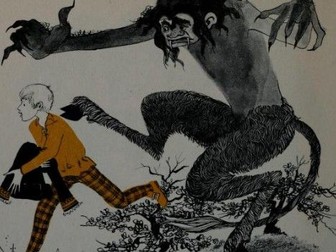
Included in the Too Much Mush Readers’ Theatre Unit: 5 page script 1-3 narrators 3 characters 17 metacognitive questions Student Success Criteria Student Friendly Goals Teacher’s Reader’s Theatre Checklist Too Much Mush synopsis: Hannah and her mother are a poor and hungry family who dream of simple foods like a bowl of mush. One day, while foraging for food, Hannah finds an elderly lady in the forest who has a magic pot that can produce an endless supply of mush upon command. The pot will stop making food if the correct command is given. The elderly lady lets Hannah have the pot. Hannah and her mother enjoy their newfound abundance of food from the pot until one day, the mother uses the pot while Hannah is out but she forgets the specific command to make it stop. The entire village begins to flood full of mush. Will Hannah come home in time or will the village be a mush pit? Find out in the Too Much Mush readers’ theatre unit! Mr. Marvel’s Musings: The metacognitive questions can be answered in writing or orally. Thank you Mr. S for recommending this story! Do not fear the reader’s theater format. Students love these adapted stories because they are listening to the story and they are a part of the story by playing a character within the story. Reader’s theatre inspires reluctant readers to join in the fun. The strongest and most advanced readers in your class will encourage other students to raise their hand and participate in the story. I also use reader’s theatre to add to my drama marks. If the reader’s theatre format did not work for my students and I, then I would have stopped creating and adapting them years ago. Reluctant readers sometimes feel anxious looking at pages of text, whereas a reader’s theater script is broken up into narration and different characters speaking, thus making the story more accessible to those students who have not discovered the incredibly fun activity of reading for entertainment. I use shorter stories with minimal characters in literature circles.When can one make time for a reader’s theatre story in class? When I am not reading a reader’s theatre unit with my class, I usually reserve Friday’s for the reading of a one-off story. It is an event that the class looks forward to, since they do not know which story I will choose. Great for Librarians and small groups. I project the stories on the screen and assign characters in class. Some characters only have 1 line. A supporting character like that is perfect for a reluctant reader. I hope you, and your students enjoy reading Too Much Mush and continue to do so for many years. Excelsior! Mr. Marvel: The King of Reader’s Theatre
The Fisherman and his Wife Readers' Theatre UnitQuick View
Jackhwdsb

The Fisherman and his Wife Readers' Theatre Unit

(0)
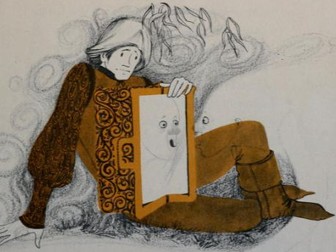
Included in the Fisherman and his Wife readers’ theatre unit: 13 page script 1, 2, or 3 narrators 3 characters 42 metacognitive questions Drawing conclusions activity Book review activity Student Success Criteria Student Friendly Goals Teacher’s Reader’s Theatre Checklist The Fisherman and his Wife synopsis: The Brothers Grimm present to us a story about greed and power. The fisherman is married to Ilsebell, a greedy woman who hungers for positions of power and material objects. The fisherman catches a flounder, who tells him that he is a magical prince and he will not taste good. The fisherman throws the magical flounder back into the water. Upon returning home, Ilsebell is not happy, saying that the magical flounder has to grant them wishes because the fisherman spared his life. Ilsebell asks her husband to ask the flounder for a cottage, and then a castle and then she wants to be the queen. As she asks for these things, the world around them becomes darker with natural disasters. Ilsebell then requests to control the universe despite her husband’s objections. Will Ilsebell control the universe? Will the fisherman stand up for himself and resist his wife’s hunger for power? What will happen to the world? Will the magic flounder become fed up with the constant extravagent wishes? Find out in The Fisherman and his Wife readers’ theatre unit! Mr. Marvel’s Musings: Thank you Mrs. W. for requesting this story. It is a truly timeless story. The metacognitive questions can be answered on paper/electronically or discussed. I hope you, and your students enjoy reading The Fisherman and his Wife and continue to do so for many years. Excelsior! Mr. Marvel: The King of Reader’s Theatre
Jake & Finn: Bad Jubies Readers' Theatre Unit Story & RubricsQuick View
Jackhwdsb

Jake & Finn: Bad Jubies Readers' Theatre Unit Story & Rubrics

(0)
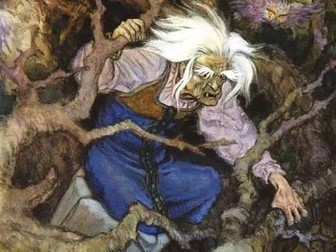
Included in the Jake & Finn: Bad Jubies Readers’ Theatre Unit: 12 page script 5 characters + the narrator 43 metacognitive questions Drawing conclusions activity Book review activity Student Success Criteria Student Friendly Goals Teacher’s Reader’s Theatre Checklist Jake & Finn: Bad Jubies synopsis: Finn and his friends are preparing for a mega thunderstorm. Finn builds a bunker while BMO and Lumpy Space Princess gather food and resources. Meanwhile, Jake appears to be lazy. Insead of helping his friends, Jake is chirping with the birds, croaking with the frogs and gazing up at the clouds. On the day of the storm, everyone asks Jake what he brought into the bunker to contribute to their survival. Jake says it is a surprise but no one believes him. Does Jake have anything to offer his friends during the storm or will he have negative vibes/bad jubies poured on him in the bunker from his friends? Find out in the Jake & Finn: Bad Jubies readers’ theatre unit! Mr. Marvel’s Musings: Thank you to my friend Paul for recommending this story. It has laughs and a good lesson. Instead of running around or being on your phone, take the time to appreciate nature once in a while. You won’t appreciate the things we see everyday when they are gone.