 Quick View
2026 KS2 Maths SATs - Gap Analysis Spreadsheet (Year 6)
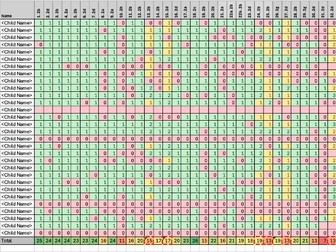
A question-level analysis spreadsheet for the 2026 Key Stage 2 Mathematics SATs papers.
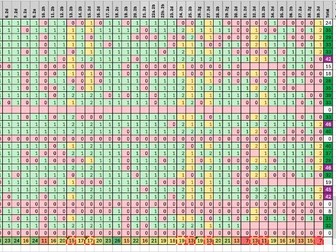
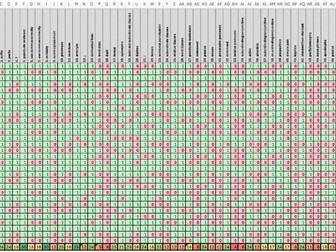
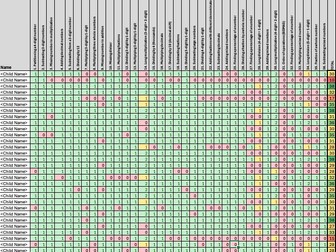
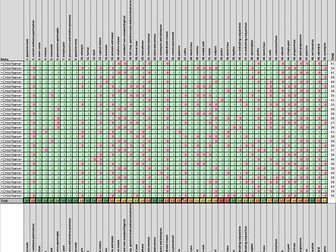
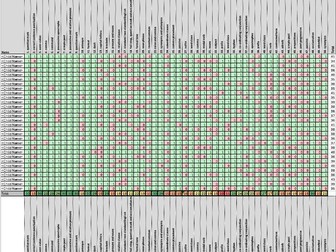
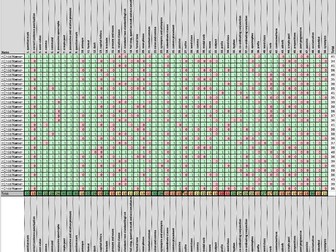
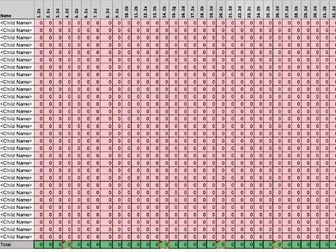
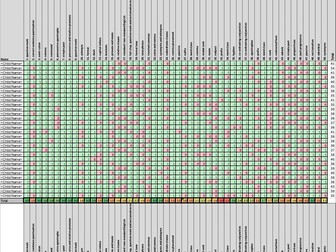
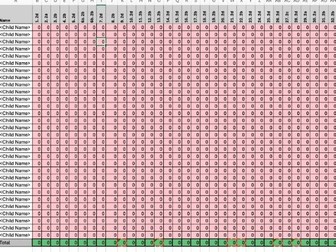
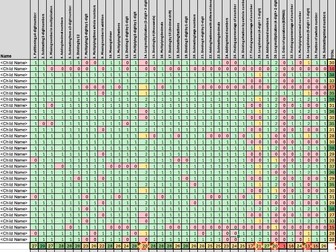
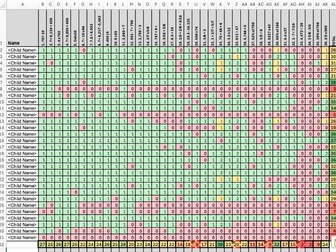
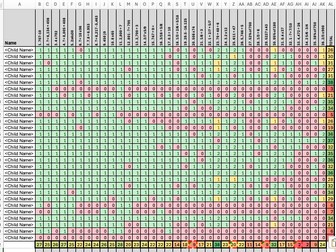
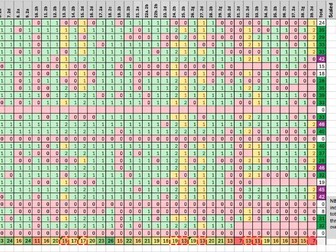
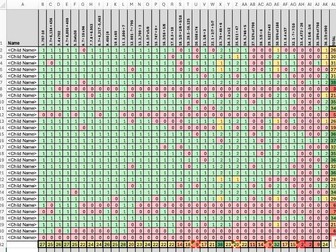
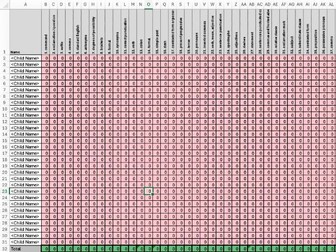
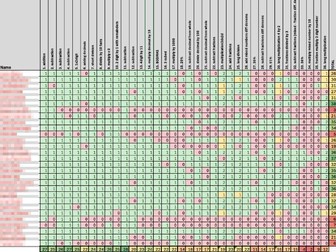
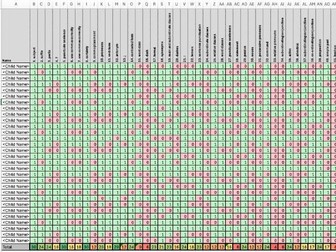
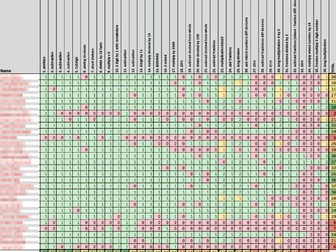
Simply enter each pupil’s marks and the spreadsheet will identify strengths and gaps across the different areas of the maths curriculum. This makes it easy to see which objectives require further teaching and which pupils need additional support.
The resource includes analysis of:
Paper 1: Arithmetic
Paper 2: Reasoning
Paper 3: Reasoning
Individual pupil performance
Whole-class performance
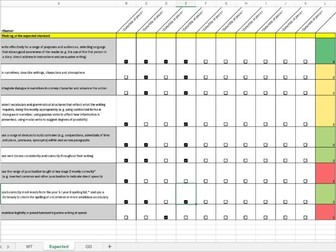
Questions and objectives requiring further teaching
Ideal for:
Analysing the 2026 SATs papers
Identifying whole-class and individual gaps
Planning targeted intervention
Informing future teaching and curriculum planning
Supporting Year 6–7 transition
Providing clear assessment evidence for subject leaders and senior leaders
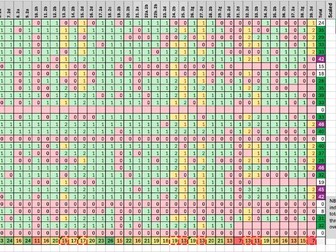
The spreadsheet automatically calculates scores and percentages, allowing teachers to quickly turn the pupils’ test results into useful and manageable assessment information.
This resource has been independently created by a practising teacher and is not an official Department for Education, Standards and Testing Agency or government-produced resource.