Attention Autism Programme – 6 Weeks (18 Lessons) | Stages 2, 3 & 4Quick View
katie-lee_carswell

Attention Autism Programme – 6 Weeks (18 Lessons) | Stages 2, 3 & 4

(0)
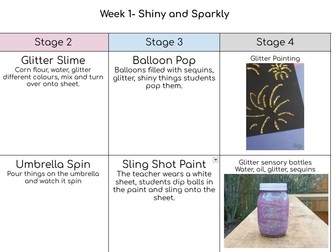
This 6-week Attention Autism programme provides 18 structured sessions designed to support shared attention, engagement, turn-taking, and communication for autistic learners. Activities follow the Attention Autism approach (Stages 2, 3, and 4) and are organised around motivating, sensory-rich themes. Each theme includes 3 sessions, allowing repetition, anticipation, and deep engagement. Programme Structure 6 weeks total 18 sessions (3 sessions per theme) Focus on Stages 2, 3 & 4 Suitable for SEND, autism bases, specialist settings, and EYFS/Primary Themes & Session Focus Shiny & Sparkly (3 Sessions) Focus: Visual attention, anticipation, shared enjoyment Activities may include: Shiny objects reveal Sparkly jars and light reflections Turn-taking with shiny items Resources: Tinsel, foil shapes Glitter bottles / sensory jars Light-up toys or reflective mirrors Colour Explosion (3 Sessions) Focus: Visual tracking, cause and effect, excitement Activities may include: Colour mixing demonstrations Colour reveals and surprises Shared colour-based actions Resources: Coloured scarves or ribbons Paint, food colouring, pipettes Coloured balls or parachute Animal Beauty (3 Sessions) Focus: Engagement, imitation, shared attention Activities may include: Animal reveals Movement and sound imitation Turn-taking with animal actions Resources: Toy animals Animal sound makers Puppets or animal pictures Spring Awakening (3 Sessions) Focus: Nature, observation, calm attention Activities may include: Flowers opening Nature object exploration Simple cause-and-effect actions Resources: Artificial or real flowers Leaves, petals, natural items Spring-themed visuals Music & Sound (3 Sessions) Focus: Listening, anticipation, shared rhythm Activities may include: Sound surprises Musical turn-taking Stop/start listening games Resources: Musical instruments Shakers, bells, drums Recorded sound effects Water (3 Sessions) Focus: Sensory attention, cause and effect Activities may include: Pouring and splashing demonstrations Floating and sinking Shared water play Resources: Water trays Cups, funnels, floating objects Towels and waterproof mats Key Skills Supported Shared attention and engagement Turn-taking and waiting Anticipation and curiosity Communication through gesture, vocalisation, or AAC Regulation and enjoyment Ideal For Attention Autism groups SEND and specialist provisions Autism bases EYFS and lower primary learners
Sound Map Listening to NatureQuick View
katie-lee_carswell

Sound Map Listening to Nature

(0)
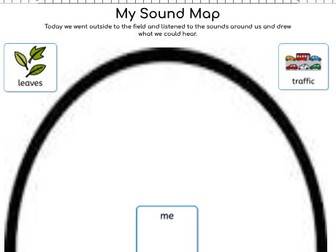
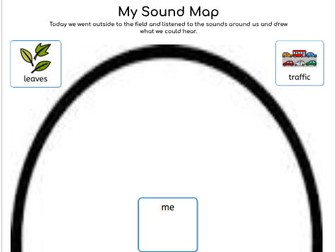
This Sound Map worksheet is a simple, visual activity designed to help students listen carefully and identify sounds in their environment, especially during outdoor learning sessions. The worksheet features: A large central circle labelled “me” to represent the student Visual sound icons for birds, wind, leaves, and traffic placed around the page Plenty of space for students to draw, mark, colour, or place symbols to show where sounds are coming from This resource is ideal for: Outdoor learning and nature walks Listening and attention activities Sensory-based lessons Speech, language, and communication development Perfect for: Early Years and Primary classrooms SEN / SEND settings Autism-friendly and inclusive learning Students who communicate through pointing, drawing, marking, vocalising, or AAC How to use: Students sit quietly outdoors and listen to the sounds around them. They then record what they hear by drawing, colouring, circling, or marking the sounds on the map. Adults can support by modelling vocabulary or scribing where needed. What’s included: 1 printable Sound Map worksheet (PDF) This is a low-prep, engaging resource that supports observation, listening skills, and student voice in a calm, meaningful way.
Creativity Scheme of Work: Exploring Dot Work (SEND / EYFS / Primary)Quick View
katie-lee_carswell

Creativity Scheme of Work: Exploring Dot Work (SEND / EYFS / Primary)

(0)
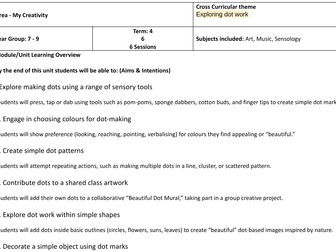
This Creativity Scheme of Work focuses on exploring dot-making as an expressive and sensory art process. It is designed to support inclusive, child-centred learning, with a strong emphasis on choice-making, engagement, and communication rather than finished outcomes. The unit guides students through a series of structured yet flexible activities using dot tools and nature-inspired shapes, making it particularly suitable for SEND, EYFS, and lower primary learners. What This Scheme Covers By the end of the unit, students will: Explore making dots using a range of sensory tools (pom-poms, sponge dabbers, cotton buds, finger tips) Choose and show preferences for colours they find appealing Create simple dot patterns through repeated actions Contribute dots to a shared class artwork (Beautiful Dot Mural) Add dots inside simple shapes such as circles, flowers, suns, and leaves Decorate a simple object using dot marks Key Features SEND-friendly and inclusive Supports communication through gesture, speech, or AAC Sensory-based and process-focused Easily differentiated for a wide range of abilities Suitable for individual, small-group, or whole-class work Ideal For SEND and specialist settings EYFS and lower primary classrooms Autism-friendly provision Sensory art and creativity lessons Teachers seeking low-pressure, exploratory art activities Teaching Approach This scheme prioritises engagement, exploration, and student voice. Success is measured through participation, choice-making, and interaction with materials rather than the final artwork.
extured Rubbings Worksheets – Leaves, Wall & Bark  Sensory Exploration ActivityQuick View
katie-lee_carswell

extured Rubbings Worksheets – Leaves, Wall & Bark Sensory Exploration Activity

(0)
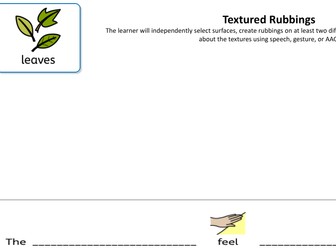
This Textured Rubbings worksheet pack is a hands-on sensory learning resource designed to help students explore, compare, and communicate about different textures using touch, movement, and communication supports. Students create rubbings from real surfaces such as leaves, walls, and tree bark, then communicate what they felt using writing, symbols, gesture, speech, or AAC. What’s Included (6 Pages Total): Lower-level worksheets: Students identify what they touched using AAC-style symbols (e.g. leaf, wall, bark). Ideal for pointing, choosing, or supported communication. Higher-level worksheets: Students write simple sentences to describe how the texture feels (e.g. rough, smooth, bumpy). Clear layout with space for texture rubbings using crayons or pencils. Skills Supported: Sensory exploration and tactile awareness Descriptive language and vocabulary Communication using speech, gesture, or AAC Fine motor skills through rubbing and marking Choice-making and engagement Perfect For: Early Years and Primary classrooms SEND / SEN settings Autism-friendly and inclusive learning Speech and language therapy activities Outdoor and nature-based learning How to Use: Students place paper over a surface (leaf, wall, or bark) and rub with a crayon or pencil. They then either identify the object they touched using symbols or write a sentence describing the texture, depending on level. File Details: 6-page printable PDF Designed for differentiation (higher & lower levels) Low-prep and easy to use
Dot Painting Worksheet – Colour Choice & AAC Supported Art ActivityQuick View
katie-lee_carswell

Dot Painting Worksheet – Colour Choice & AAC Supported Art Activity

(0)
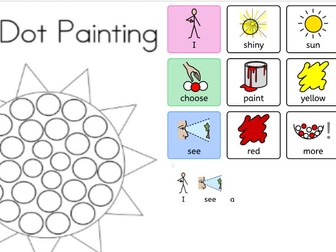
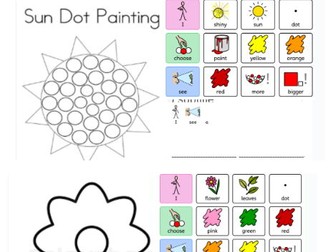
This Dot Painting worksheet is a fun, accessible art activity designed to support choice-making, colour recognition, and communication through dot painting and AAC symbols. Students decorate a flower and sunshine picture using dot paint or finger paint, then communicate about what they see and choose using symbols, pointing, gesture, speech, or AAC. What’s Included: Printable dot painting worksheet featuring a flower and sunshine AAC-style symbols for: I, see, choose Colours (pink, green, red, orange, yellow) Objects (flower, leaves, sun, dot, more) Sentence strip for supported communication (e.g. “I see a ___” or “I choose ___”) Differentiation: Lower-level learners: Identify colours or objects using AAC symbols, pointing, or making choices. Higher-level learners: Build simple sentences or describe the colours used in their artwork. Skills Supported: Fine motor development Colour recognition Cause and effect Communication using AAC, gesture, or speech Choice-making and engagement Perfect For: Early Years and Primary classrooms SEN / SEND and autism-friendly settings Speech and language therapy Art and sensory exploration lessons How to Use: Students select a colour and create dots on the flower and sunshine using dot markers, paint, or fingers. They then communicate their choices using the included symbols or sentence strip.
English Scheme of Work – “The Big Wide World” | 12 Lessons | SEND & AAC-FriendlyQuick View
katie-lee_carswell

English Scheme of Work – “The Big Wide World” | 12 Lessons | SEND & AAC-Friendly

(0)
This 12-lesson Thinking English scheme is designed to help learners explore sensory experiences in the big wide world while developing writing, reading, speaking, and listening skills. The unit is fully inclusive, with differentiation for High, Mid, and Low ability learners, and incorporates AAC and Widget symbols to support communication. Perfect for SEND, autism-friendly classrooms, EYFS, and primary settings, the scheme encourages engagement, choice-making, and exploration of the senses. Learning Outcomes Writing High Ability (HA): Independently creates marks, symbols, or short sentences to describe sensory experiences. Mid Ability (MA): Makes marks or symbols with some adult support to show sensory features. Low Ability (LA): Explores materials and makes a single mark or chooses a symbol with adult guidance. Reading HA: Recognises and reads multiple sensory symbols or short captions independently. MA: Matches 1–2 symbols to sensory cues or images with support. LA: Responds to a single symbol or sensory cue with adult prompting. Speaking & Listening HA: Describes sensory experiences using words, symbols, or AAC in full sentences. MA: Uses short phrases, gestures, or signs to talk about sensations. LA: Indicates likes, dislikes, or simple sensory responses using gesture, sign, or single words. Key Features 12 fully planned lessons Differentiated for HA, MA, and LA learners Supports AAC and Widget symbols for communication Focus on sensory exploration and engagement Suitable for individual, small-group, or whole-class work Includes resources, worksheets, and symbol support Skills Developed Written expression and mark-making Reading and symbol recognition Speaking, listening, and communication Sensory awareness and descriptive language Engagement, attention, and choice-making Resources Included Worksheets for mark-making and writing AAC/Widget symbols for sensory vocabulary Visual prompts for reading and discussion Teacher guidance notes for differentiation Ideal For SEND / autism-friendly classrooms EYFS and lower primary learners Communication-focused English lessons Sensory, exploratory, and inclusive teaching
Attention Autism Programme – 6 Weeks (18 Lessons) | Stages 2, 3 & 4Quick View
katie-lee_carswell

Attention Autism Programme – 6 Weeks (18 Lessons) | Stages 2, 3 & 4

(0)
This 6-week Attention Autism programme provides 18 structured sessions designed to develop shared attention, engagement, turn-taking, and communication for autistic learners. Activities follow the Attention Autism approach (Stages 2, 3 & 4) and use motivating, seasonal, and sensory-rich themes. Each theme includes 3 sessions, giving learners repeated exposure and opportunities to anticipate, respond, and engage. Programme Structure 6 weeks total 18 sessions (3 per theme) Focus on Stages 2, 3 & 4 Suitable for SEND, autism bases, specialist settings, and EYFS/Primary Themes & Session Focus New Year (3 Sessions) Focus: Celebration, anticipation, visual & auditory engagement Activities may include: Party poppers or confetti reveals Noise-maker demonstrations Shared excitement and turn-taking Resources: Party hats, confetti, noise-makers Light-up toys Visual countdowns or timers Cold & Ice (3 Sessions) Focus: Sensory exploration, cause and effect, anticipation Activities may include: Ice cube experiments Freezing and melting demonstrations Cold object exploration Resources: Ice cubes, bowls, and trays Freezer-safe objects Towels or mats Chinese New Year (3 Sessions) Focus: Colourful visuals, music, and movement Activities may include: Dragon or lion reveals Musical instruments and rhythm Colour and shape exploration Resources: Red scarves, lanterns, dragons Musical instruments (drums, bells) Chinese New Year pictures and props Tissues (3 Sessions) Focus: Anticipation, cause and effect, visual tracking Activities may include: Pulling and revealing objects from tissues “Magic” tissue tricks Shared exploration and interaction Resources: Tissues, boxes, scarves Small hidden objects Gloves or pom-poms for tactile play Fruit & Veg (3 Sessions) Focus: Visual attention, colour, and sensory exploration Activities may include: Fruit/vegetable reveals and tasting (optional) Colour matching or sorting Turn-taking with props Resources: Real or toy fruits and vegetables Colour mats or trays Scoops, spoons, or small baskets Valentines & Red (3 Sessions) Focus: Colour exploration, anticipation, shared engagement Activities may include: Red object reveals Heart-shaped items or decorations Sensory and cause-effect activities Resources: Red scarves, pom-poms, or hearts Glitter, sparkly objects Light-up toys or tactile props Key Skills Supported Shared attention and engagement Turn-taking and waiting Anticipation and curiosity Communication using gesture, speech, or AAC Regulation and enjoyment Ideal For Attention Autism groups SEND and specialist provisions Autism bases EYFS and lower primary learners
Woodland Descriptive Writing Task EYFS/Year 1Quick View
katie-lee_carswell

Woodland Descriptive Writing Task EYFS/Year 1

(0)
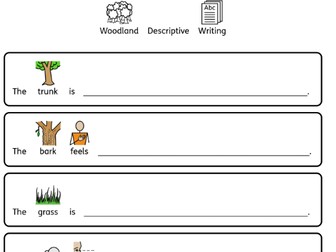
This Woodland Descriptive Writing worksheet is perfect for helping young learners develop descriptive language using their senses. With clear visuals and simple sentence starters, children are encouraged to describe what they can see and feel in a woodland setting. Pupils complete sentences such as: The trunk is… The bark feels… The grass is… The clouds look… The moss feels… The sun is… This resource is ideal for EYFS and KS1, supporting vocabulary development, sentence building, and early descriptive writing skills. Ideal for: Descriptive writing lessons Nature or woodland topics Literacy centers Independent work SEN and EAL learners Features: Child-friendly layout Visual prompts to support understanding Encourages use of adjectives and senses Print-and-go worksheet Learning focus: Expanding vocabulary Using adjectives Writing simple descriptive sentences No prep required – just print and use!
Measuring Weight Using Scales – Heavier or Lighter? (6 Visual QuestionsQuick View
katie-lee_carswell

Measuring Weight Using Scales – Heavier or Lighter? (6 Visual Questions

(0)
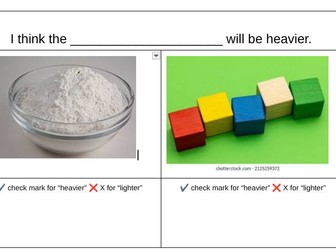
This measuring using scales maths worksheet helps young learners compare weight and make predictions using clear visual sources. Children look at pairs of objects, decide which they think will be heavier or lighter, and record their answer using a tick or cross. The worksheet includes 6 questions, each supported by child-friendly images to aid understanding and encourage discussion. Includes: 6 comparison questions Clear visual sources for each question Prediction sentence starter Tick for heavier and cross for lighter Learning focus: Comparing weight Using the language heavier and lighter Making predictions Early measuring and reasoning skills Ideal for: EYFS and KS1 Introduction to mass and weight Practical maths lessons with scales Independent or guided work SEN and EAL learners Simply print and use — no preparation required!
Transport Money Worksheets – Bus, Train, Aeroplane & Boat (4 Worksheets)Quick View
katie-lee_carswell

Transport Money Worksheets – Bus, Train, Aeroplane & Boat (4 Worksheets)

(0)
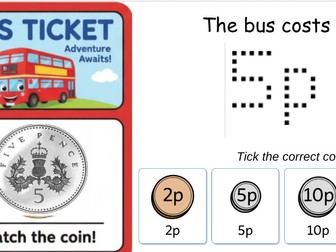
These transport-themed money worksheets help young learners practise recognising coins and matching the correct value. Using familiar modes of transport, children read the price and tick the correct coin. Each worksheet focuses on a different type of transport: Bus Train Aeroplane Boat This engaging context supports early money skills while making clear links to real-life situations. Includes: 4 printable worksheets One worksheet each for bus, train, aeroplane and boat Coin matching and recognition activities Clear, child-friendly visuals Learning focus: Recognising UK coins Understanding money values Matching prices to coins Reading simple prices Ideal for: EYFS and KS1 Introduction to money Transport topics Maths centres Independent or guided work SEN and EAL learners Simply print and go – no preparation required.
Adding Groups of Vehicles – Maths Worksheets (2 Worksheets, 8 Questions)Quick View
katie-lee_carswell

Adding Groups of Vehicles – Maths Worksheets (2 Worksheets, 8 Questions)

(0)
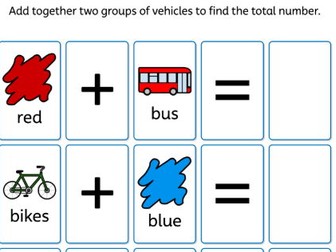
These simple addition worksheets help young learners practise adding two groups to find the total, using bright vehicle and colour visuals to support understanding. Children add together two groups of vehicles (e.g. red + bus, bikes + blue, white + vans) and write the total in the answer box. The clear layout and visual prompts make this resource ideal for early maths learners. Includes: 2 printable worksheets 8 addition questions in total Clear number sentence format (+ and =) Visual support with vehicles and colours Ideal for: EYFS and KS1 Introducing addition Counting and totals Independent work Maths centres SEN and EAL learners Skills covered: Counting objects Simple addition Understanding number sentences Mathematical language Print and go – no preparation required!
Character Bus Tickets – Reward & Role Play (9 Pages, 18 Tickets)Quick View
katie-lee_carswell

Character Bus Tickets – Reward & Role Play (9 Pages, 18 Tickets)

(0)
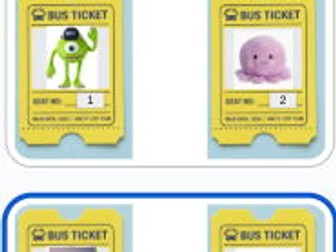
These Character Bus Tickets are a fun and engaging resource for use as rewards, role play, or behaviour management in the classroom. Designed to be child-friendly and motivating, the tickets can be used to encourage positive behaviour, participation, or imaginative play. Each page includes 2 tickets, giving a total of 18 tickets across 9 pages. Includes: 9 printable pages 18 character bus tickets Clear, colourful designs Easy to print and cut Ideal for: Classroom rewards Behaviour incentives Role play areas Transport topics EYFS and KS1 School trips or special days Ways to use: Reward good behaviour or effort Entry tickets for activities Role play in a bus or transport area Transition rewards Simply print, cut, and use – no preparation needed!
WINE and PACE Empathy Cards – Trauma-Informed Communication ToolQuick View
katie-lee_carswell

WINE and PACE Empathy Cards – Trauma-Informed Communication Tool

(0)
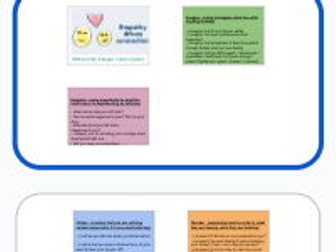
These WINE and PACE Empathy Cards are designed to support trauma-informed practice by helping adults reflect on their language, responses, and interactions with children and young people. The cards provide clear, practical prompts to encourage empathy, curiosity, and connection rather than judgement or punishment. Ideal for use in schools, SEND settings, pastoral support, safeguarding, and staff training. What Are WINE and PACE? WINE Responses (What to Avoid): Why Ignoring No Escalation These responses can unintentionally increase stress and dysregulation in children who have experienced trauma. PACE Approach (What to Use): Playfulness Acceptance Curiosity Empathy PACE supports emotional safety, trust, and regulation. Includes WINE response prompt cards PACE response prompt cards Clear, simple language Visual reminders for adults Easy-to-use card format How to Use Staff reflection and CPD discussions Behaviour and pastoral support meetings Classroom reminders Safeguarding and trauma-informed training SEND and SEMH support One-to-one interventions Learning & Development Focus Building empathy Trauma-informed communication Understanding behaviour as communication Supporting emotional regulation Developing positive adult-child relationships Ideal For Teachers and teaching assistants Pastoral and safeguarding teams SEND, SEMH, and behaviour support School leaders Trauma-informed practice training Why Use These Cards? Encourages calm, supportive responses Helps adults pause and reflect Promotes consistency across staff teams Supports emotionally safe environments Simply print, laminate, and use as a practical reminder to respond with empathy and curiosity.
Phonics Single Letter Sounds PowerPoint – Read Write Inc (Fresh Start Aligned)Quick View
katie-lee_carswell

Phonics Single Letter Sounds PowerPoint – Read Write Inc (Fresh Start Aligned)

(0)
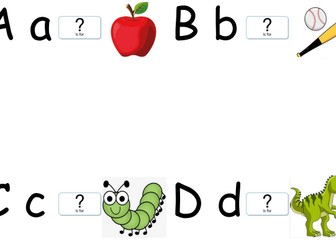
This 26-slide Phonics PowerPoint is designed to support early phonics teaching using single letter sounds, following the structure and style of Read Write Inc (Fresh Start). Each slide focuses on one sound, showing: The letter The sound it makes A supporting picture to aid recall and engagement This resource is ideal for introducing, revisiting, or reinforcing initial phonics sounds in a clear and consistent format. Includes 26 PowerPoint slides One slide per single letter sound (a–z) Clear letter formation display Supporting picture on each slide Clean, uncluttered layout Learning Focus Recognising single letter sounds Linking sounds to letters Developing early phonics knowledge Supporting blending readiness Building confidence in early reading Ideal For EYFS KS1 Phonics interventions SEND learners Read Write Inc style phonics sessions Whole-class, group, or 1:1 teaching How to Use Daily phonics warm-ups Sound recall practice Visual support during phonics lessons Intervention or catch-up sessions Display on interactive whiteboards Simply open and teach – perfect for consistent phonics delivery.
Marshmallow Phonics – Bonfire-Themed CVC Word Activities (10 Pages)Quick View
katie-lee_carswell

Marshmallow Phonics – Bonfire-Themed CVC Word Activities (10 Pages)

(0)
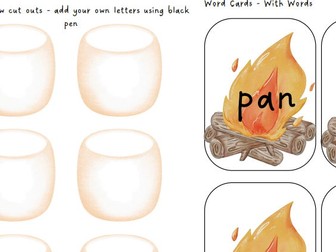
This Marshmallow Phonics resource is a fun, engaging way to practise early phonics and CVC word building through a bonfire-themed activity. Children use the blank marshmallows to add letters and build words, supporting sound blending and early reading skills. The hands-on design makes this ideal for interactive phonics sessions, small groups, or intervention work. Includes (10 Pages): Blank marshmallows for adding letters and sounds Bonfire phonics CVC word cards Firework sound disks Bonfire background mat Clear, child-friendly visuals Learning Focus: Recognising and blending sounds Building CVC words Letter-sound correspondence Early reading skills Fine motor development Ideal For: EYFS KS1 Phonics groups SEND learners Intervention and catch-up sessions Seasonal / themed learning How to Use: Choose a CVC word card Add letters to the blank marshmallows Blend the sounds together Place words onto the bonfire background Use firework disks for sound practice Simply print, laminate, and play – perfect for hands-on phonics learning.
Year 1 PE Scheme of Work – Fundamental Movement Skills (6 Lessons)  Balance, Coordination, Jumping,Quick View
katie-lee_carswell

Year 1 PE Scheme of Work – Fundamental Movement Skills (6 Lessons) Balance, Coordination, Jumping,

(0)
This 6-lesson PE scheme of work focuses on developing fundamental movement skills in Year 1 pupils through engaging, practical activities. The scheme places a strong emphasis on static and dynamic balance, coordination, movement control, and fair play. The unit includes clear lesson objectives, structured activities, and diagrams to support teacher delivery. A planned trip to a recreational ground with gym equipment allows children to apply their skills in a real-world physical environment. Overall Learning Objectives By the end of the unit, pupils will be able to: Demonstrate and apply static and dynamic balance Transfer weight from one side of the body to the other Accelerate when running at speed Jump and skip with improved control and coordination Develop balance, coordination, and spatial awareness Play fairly with others Show honesty and positive behaviour when playing games Work cooperatively in pairs and small groups Lesson Breakdown (6 Lessons) Lesson 1 – Introduction to Balance Focus: Static balance Skills: Standing still, body control, posture Activities: One-leg balances Balancing on different body parts Freeze games Diagrams included to show balance positions Lesson 2 – Dynamic Balance & Weight Transfer Focus: Moving balance Skills: Shifting weight, controlled movement Activities: Walking along lines and benches Side-to-side stepping Balance pathways Diagrams included to support setup Lesson 3 – Jumping Skills Focus: Two-footed and single-foot jumps Skills: Take-off and landing safely Activities: Jumping over obstacles Jump and freeze Jumping patterns Diagrams included Lesson 4 – Skipping & Coordination Focus: Rhythm and coordination Skills: Skipping, arm-leg coordination Activities: Individual skipping practice Skipping pathways Partner challenges Diagrams included Lesson 5 – Acceleration & Spatial Awareness Focus: Running and speed control Skills: Accelerating, stopping safely, awareness of space Activities: Short sprint games Reaction runs Direction-change activities Diagrams included Lesson 6 – Recreational Ground Visit Focus: Applying skills in a real environment Location: Recreational ground with gym equipment Skills: Balance, coordination, climbing, jumping, teamwork Activities: Rotation stations using equipment Group challenges Reflection on fair play and honesty Key Skills Developed Balance and coordination Jumping and skipping Acceleration and movement control Teamwork and listening Fair play and honesty Ideal For Year 1 PE lessons Fundamental movement skill development Outdoor learning Curriculum planning Subject leaders and PE coordinators
Shape Hunt Worksheet – Widgit Symbols (Identify & Find Shapes)Quick View
katie-lee_carswell

Shape Hunt Worksheet – Widgit Symbols (Identify & Find Shapes)

(0)
This Shape Hunt worksheet uses Widgit symbols to support pupils in identifying and finding common 2D shapes in their environment. Children look at each shape, read or recognise the shape name, and then hunt for matching shapes around the classroom or school. The visual support makes this activity highly accessible and ideal for early learners and SEND pupils. Includes: 1 printable Shape Hunt worksheet Widgit symbols for each shape Shape names clearly labelled Simple, child-friendly layout Shapes included may include: Circle Square Triangle Rectangle (Editable or adaptable if needed) Learning focus: Recognising and naming 2D shapes Matching shapes to real-world objects Visual discrimination Observation skills Communication and engagement Ideal for: EYFS KS1 SEND (SLD, PMLD, ASD) Maths interventions Outdoor or classroom shape hunts How to use: Introduce each shape using the Widgit symbols Go on a shape hunt around the classroom or outdoors Tick, colour, or mark when shapes are found Simply print and go – perfect for active, hands-on learning.
ACES Trauma Training PowerPointQuick View
katie-lee_carswell

ACES Trauma Training PowerPoint

(0)
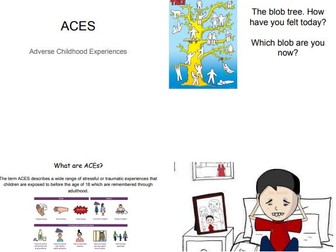
Understanding Adverse Childhood Experiences (ACES) and Building Resilience Format: PowerPoint Slides: 18 Includes: Images, video links, statistics, discussion points Audience: Teachers, support staff, leaders, pastoral teams, SEND staff Overview This 18-slide ACES Trauma Training PowerPoint provides a clear, accessible introduction to Adverse Childhood Experiences (ACES) and their impact on children’s development, behaviour, learning, and wellbeing. The presentation also explores protective factors, PACES, and practical supportive strategies schools can use to create trauma-informed environments. Designed for CPD and staff training, the slides include visuals, real statistics, reflection questions, and video links to support understanding and discussion. Slide Breakdown (18 Slides) Introduction to ACES What ACES are Why they matter in education What Are ACES? Definition of ACES Examples (abuse, neglect, household challenges) Types of ACES Abuse Neglect Household adversity Visual icons/images included How Common Are ACES? Key UK and global statistics Data presented visually Brain Development & Trauma How trauma affects the developing brain Stress response explained simply Impact of ACES on Behaviour Fight, flight, freeze responses Why behaviour is communication Impact of ACES on Learning Attention Memory Emotional regulation Long-Term Impact of ACES Mental health Physical health Life outcomes Statistics included ACES in the Classroom What trauma may look like in school Case examples Trauma-Informed Practice Key principles Creating emotionally safe environments Supportive Strategies Consistency Relationships Regulation strategies Visual supports What Helps? Predictability Safe adults Connection before correction The Protective Factors Introduction to protective factors Why they matter The Protective Wheel Visual protective wheel Relationships, safety, routines, support What Are PACES? Positive Childhood Experiences How they build resilience ACES vs PACES Balance of risk and protection Visual comparison What Schools Can Do Whole-school approaches Staff wellbeing Trauma-informed culture Reflection & Next Steps Discussion questions Staff reflection Further reading and video links Key Topics Covered Adverse Childhood Experiences (ACES) Impact of trauma on behaviour and learning Brain development and toxic stress Supportive and trauma-informed strategies Protective factors and the Protective Wheel Positive Childhood Experiences (PACES) Ideal For Whole-school CPD Safeguarding training SEND and pastoral teams Behaviour support training Senior leaders and governors Features Clear, professional layout Images to support understanding Video links for discussion Real statistics presented accessibly Reflection and discussion opportunities
Dogger Story Worksheets – Glue & Stick Activities (4 Slides)Quick View
katie-lee_carswell

Dogger Story Worksheets – Glue & Stick Activities (4 Slides)

(0)
These Dogger-themed worksheets are designed to support engagement, comprehension, and fine motor skills through glue and stick activities using Widgit symbols. Based on the well-known story Dogger by Shirley Hughes, the activities help pupils explore key events, characters, and emotions from the story in a simple, accessible way. The resource includes 4 interactive slides, ideal for printing or use as part of a hands-on literacy session. Includes: 4 printable worksheets / slides Widgit symbols for cutting, matching, and sticking Story-based activities linked to Dogger Clear, simple layouts Learning focus: Story sequencing Character recognition Understanding key events Fine motor skill development Communication and engagement Ideal for: EYFS and KS1 SEND (SLD, PMLD, ASD) Speech and language support Guided group work Independent or supported activities How to use: Read or watch Dogger together Discuss key parts of the story Cut, match, and stick the Widgit symbols Talk about what is happening in each scene Simply print and prepare — perfect for hands-on learning.
Counting Tents 1–12 – Timetables Desk TentsQuick View
katie-lee_carswell

Counting Tents 1–12 – Timetables Desk Tents

(0)
These Counting Tents 1–12 are a practical and engaging way to support children with number recognition and multiplication recall. Each tent displays a number from 1 to 12 on the outside, with the matching times table shown clearly inside. Designed to be printed, laminated, and folded into desk tents, this resource is ideal for daily reference during maths lessons. Includes Numbers 1–12 Corresponding timetables inside each tent Clear, easy-to-read layout Print-friendly design Learning Focus Recognising numbers 1–12 Understanding multiplication patterns Supporting times table recall Building confidence in maths How to Use Print each page Laminate for durability Fold to create free-standing desk tents Use as a maths support tool during lessons Ideal For KS1 and lower KS2 Times tables practice Maths interventions Classroom desk supports Independent learning SEND learners Why Use Counting Tents? Always visible on desks Supports independence Encourages repeated exposure Reduces cognitive load during tasks Simply print, laminate, and fold – a durable and reusable maths resource.
Zones of Regulation – Display Board Symbols and TitlesQuick View
katie-lee_carswell

Zones of Regulation – Display Board Symbols and Titles

(0)
This Zones of Regulation display pack includes clear zone titles and symbols designed to support emotional awareness and self-regulation. The visuals are ideal for display boards, calm corners, and classroom walls, helping pupils recognise, name, and talk about their emotions. The simple, accessible design makes this resource particularly suitable for EYFS, KS1, and SEND settings. Includes Zone titles for display boards Matching symbols for each zone Clear, child-friendly visuals Easy-to-print format Zones included: Blue Zone Green Zone Yellow Zone Red Zone Learning Focus Recognising emotions Emotional regulation Developing emotional vocabulary Supporting self-awareness Promoting wellbeing Ideal For EYFS classrooms KS1 classrooms SEND (ASD, SLD, SEMH) Calm corners and regulation areas Pastoral and wellbeing spaces How to Use Display on classroom walls or boards Use during check-ins and discussions Support emotional regulation routines Reinforce Zones language throughout the day Simply print, laminate, and display for an effective emotional regulation support tool.