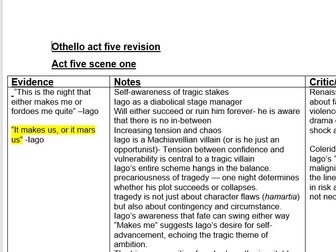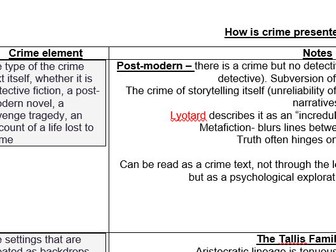
A-level A* Othello revision table. Key quotes, Context, Critical quotes, Structure. 19 PagesQuick View
Eshalzia

A-level A* Othello revision table. Key quotes, Context, Critical quotes, Structure. 19 Pages

(0)
This resource is a 19‑page A‑Level English Literature revision table for Othello Act five, covering key quotations, detailed analysis, contextual links, structural features, and critical interpretations to support Band 5 exam performance. It offers a comprehensive, organised breakdown of the play, making it an invaluable tool for students aiming for A*‑level understanding and high‑level essay writing. For teachers, this resource functions as a ready‑to‑use classroom aid: perfect for lesson planning, targeted revision, independent study, or comparative analysis. The table format allows students to quickly locate essential material, while the inclusion of context, critics, and structural insights helps them meet AO1, AO2, AO3, and AO5 with confidence. Its depth and clarity make it ideal for modelling how to synthesise knowledge across the play and apply it effectively in timed essays. . Overall, this extensive revision table serves as both a teaching aid and a powerful study tool, helping learners develop the depth and sophistication required for top‑band A‑Level responses.
A-level A* English Lit Atonement revision- Linking Atonement Part 1 to AQA Crime Elements TableQuick View
Eshalzia

A-level A* English Lit Atonement revision- Linking Atonement Part 1 to AQA Crime Elements Table

(1)
This resource is a detailed table linking Atonement Part One to the crime elements of the AQA A‑Level English Literature specification, including direct quotations, contextual notes, and analytical commentary to support high‑level exam responses. It breaks down the novel through the lens of crime writing—motives, transgressions, guilt, punishment, narrative reliability—making it an invaluable tool for students studying the AQA Crime Writing component. For teachers, the table offers a clear, ready‑to‑use classroom resource that can support lesson planning, revision sessions, or independent study. Its structured layout allows students to see how McEwan’s novel aligns with key crime conventions, while the inclusion of quotations, context, and concise analysis helps them meet AO1, AO2, and AO3 with precision. The format is especially useful for comparative work, essay planning, and reinforcing conceptual understanding of crime as a literary genre. Overall, the table serves as both a teaching aid and a powerful revision tool, helping learners confidently connect Atonement to the demands of the AQA crime specification.
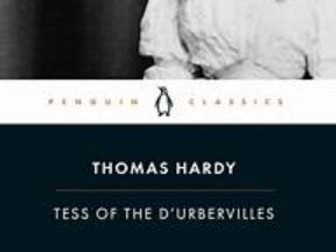
A-level English Literature 25/25 Model Essay 'How is Gender presented in Tess Of The Durbervilles'Quick View
Eshalzia

A-level English Literature 25/25 Model Essay 'How is Gender presented in Tess Of The Durbervilles'

(0)
This resource is an A* full‑marks A‑Level English Literature essay on gender dynamics in Tess of the d’Urbervilles, offering students a high‑quality model of top‑band critical writing. It demonstrates how to construct a sophisticated argument, integrate close textual analysis, apply relevant context, and engage confidently with critical perspectives—making it an ideal exemplar for students aiming for the highest grades. For teachers, the essay can be used flexibly in the classroom: as a model to annotate, a benchmark for marking practice, a scaffold for teaching essay structure, or a revision tool to show students how to meet AO1, AO2, and AO3 at an advanced level. Because the essay is written to genuine A* standard, it helps learners understand how to analyse Hardy’s narrative techniques, explore feminist and socio‑historical readings, and write with conceptual clarity. Overall, this model essay serves as both an instructional tool and an inspirational guide for learners striving to elevate their analytical writing to A level.
Grade 9 English Lang Creative Writing Model Essay, Full marks- Description of fishing villageQuick View
Eshalzia

Grade 9 English Lang Creative Writing Model Essay, Full marks- Description of fishing village

(0)
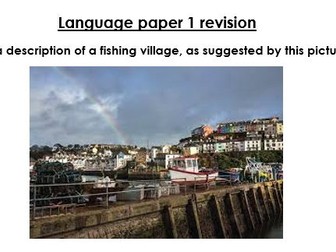
This resource is a Grade 9 GCSE creative writing model describing a fishing village, offering students a full‑marks exemplar of top‑band descriptive writing for AQA English Language Paper 1. It showcases ambitious vocabulary, crafted imagery, sensory detail, and structural control—demonstrating exactly what examiners reward in a high‑level creative response. For teachers, this model can be used flexibly in the classroom: as an annotated example, a benchmark for peer‑assessment, a scaffold for teaching descriptive techniques, or a revision tool to help students understand how to meet the assessment objectives with confidence. Because the piece is written to a genuine Grade 9 standard, it helps learners see how to build atmosphere, shape a narrative arc, and use language devices purposefully to create a vivid, immersive description. Overall, this model essay serves as both an instructional tool and an inspirational guide for learners aiming to elevate their creative writing to Grade 9 level.
A-level English Lit A* Model Essay 'Nature in Tess of The D'Urbervilles' 25/25Quick View
Eshalzia

A-level English Lit A* Model Essay 'Nature in Tess of The D'Urbervilles' 25/25

(0)
This resource is a full‑marks, 25/25 A‑Level English Literature essay on how nature is presented in Tess of the d’Urbervilles, offering students a high‑quality model of A* analytical writing. It demonstrates how to construct a sophisticated argument, integrate close textual analysis, apply relevant historical and social context, and engage confidently with critical perspectives—making it an ideal exemplar for students aiming for the highest band. For teachers, this essay can be used flexibly in the classroom: as a model to annotate, a benchmark for marking practice, a scaffold for teaching essay structure, or a revision tool to show students how to meet AO1, AO2, and AO3 at an advanced level. Because the essay is written to genuine full‑marks standard, it helps learners understand how Hardy’s presentation of nature intersects with themes of fate, gender, class, and determinism, while also modelling how to write conceptually and critically. Overall, this model essay serves as both an instructional tool and an inspirational guide for learners striving to elevate their analytical writing to A level.
Grade 9 Macbeth Supernatural in Act 1 Scene 1 EssayQuick View
Eshalzia

Grade 9 Macbeth Supernatural in Act 1 Scene 1 Essay

(0)
This resource is a Grade 9 GCSE English Literature essay on how the supernatural is presented in Macbeth Act 1 Scene 1, offering students a full‑marks exemplar of top‑band analytical writing for the AQA specification. It models how to construct a sophisticated argument, embed quotations effectively, analyse Shakespeare’s language and dramatic methods, and integrate contextual understanding—showing learners exactly how to meet all the assessment objectives at the highest level. For teachers, this model essay can be used flexibly in the classroom: as an annotated example, a benchmark for peer‑assessment, a scaffold for teaching essay structure, or a revision tool to help students understand how to write evaluatively and conceptually. Because the essay is written to a genuine Grade 9 standard, it helps learners see how Shakespeare introduces the supernatural through atmosphere, ambiguity, and the witches’ symbolic power, setting the tone for the tragedy. Overall, this model essay serves as both an instructional tool and an inspirational guide for learners aiming to elevate their analytical writing to Grade 9 level.
Grade 9 English Language Paper 1 Question 5 Creative writing - Description of a sunsetQuick View
Eshalzia

Grade 9 English Language Paper 1 Question 5 Creative writing - Description of a sunset

(0)
This resource is a Grade 9 GCSE creative writing model describing a sunset, offering students a high‑quality exemplar of top‑band descriptive writing for AQA English Language Paper 1. It showcases ambitious vocabulary, structural control, sensory detail, and crafted imagery—demonstrating exactly what examiners look for in a full‑marks response. For teachers, this model can be used in multiple ways: as an annotated class example, a benchmark for peer‑assessment, a scaffold for teaching descriptive techniques, or a revision tool to help students understand how to meet the assessment objectives with precision. Because the piece is written to a genuine Grade 9 standard, it helps learners see how to shape a description, build atmosphere, and use language devices purposefully. . Overall, this model essay serves as both an instructional tool and an inspirational guide for learners aiming to elevate their creative writing to Grade 9 level.
Grade 9 English Language Creative Writing Model Essay- Describe an unusual place to stay- full marksQuick View
Eshalzia

Grade 9 English Language Creative Writing Model Essay- Describe an unusual place to stay- full marks

(0)
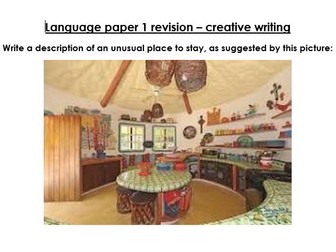
This resource is a Grade 9 GCSE creative writing model describing an unusual place to stay, offering students a full‑marks exemplar of top‑band descriptive writing for AQA English Language Paper 1. It showcases ambitious vocabulary, crafted imagery, structural control, and precise use of sensory detail—demonstrating exactly what examiners reward in a high‑level creative response. For teachers, this model can be used flexibly in the classroom: as an annotated example, a benchmark for peer‑assessment, a scaffold for teaching descriptive techniques, or a revision tool to help students understand how to meet the assessment objectives with confidence. Because the piece is written to a genuine Grade 9 standard, it helps learners see how to shape atmosphere, build tension, and use language devices purposefully to create a vivid, original description. Overall, this model essay serves as both an instructional tool and an inspirational guide for learners aiming to elevate their creative writing to Grade 9 level.
Grade 9 English Lit Guilt in Macbeth EssayQuick View
Eshalzia

Grade 9 English Lit Guilt in Macbeth Essay

(0)
This resource is a Grade 9 GCSE English Literature essay on guilt in Macbeth, offering students a full‑marks exemplar of top‑band analytical writing for the AQA specification. It demonstrates how to construct a sophisticated argument, embed quotations effectively, analyse Shakespeare’s language and dramatic methods, and integrate contextual understanding—showing learners exactly how to meet all the AOs at the highest level. For teachers, this model essay can be used flexibly in the classroom: as an annotated example, a benchmark for peer‑assessment, a scaffold for teaching essay structure, or a revision tool to help students understand how to write evaluatively and conceptually. Because the essay is written to a genuine Grade 9 standard, it helps learners see how Shakespeare presents guilt through characterisation, symbolism, and the play’s tragic structure. Overall, this model essay serves as both an instructional tool and an inspirational guide for learners aiming to elevate their analytical writing to Grade 9 level.
Grade 9 GCSE Model Essay 'Nature in Exposure and Storm On the Island' English Lit Conflict PoetryQuick View
Eshalzia

Grade 9 GCSE Model Essay 'Nature in Exposure and Storm On the Island' English Lit Conflict Poetry

(0)
This resource is a three‑page Grade 9 GCSE English Literature essay comparing Exposure and Storm on the Island in their presentation of nature, complete with a structured essay to help students model perfect comparative writing. It demonstrates how to analyse language, form, and structure, integrate key quotations, and apply contextual understanding—showing learners exactly how to meet all the AOs at a top‑band level. For teachers, this resource can be used flexibly in the classroom: as a model essay to annotate, a benchmark for marking practice, a scaffold for teaching comparison skills, or a revision tool to help students understand how to structure a high‑quality comparative response. Perfect Power and Conflict essay for students to use as a foundation to all essays. Overall, this model essay serves as both an instructional tool and an inspirational guide for learners striving to elevate their comparative writing to Grade 9 level.
Grade 9 Fear in Macbeth EssayQuick View
Eshalzia

Grade 9 Fear in Macbeth Essay

(0)
This resource is a Grade 9 GCSE English Literature essay on how fear is presented in Macbeth, offering students a full‑marks exemplar of top‑band analytical writing for the AQA specification. It models how to build a sophisticated argument, embed quotations effectively, analyse Shakespeare’s language and dramatic methods, and integrate relevant contextual ideas—showing learners exactly how to meet all the assessment objectives at the highest level. For teachers, this model essay can be used flexibly in the classroom: as an annotated example, a benchmark for peer‑assessment, a scaffold for teaching essay structure, or a revision tool to help students understand how to write evaluatively and conceptually. Because the essay is written to a genuine Grade 9 standard, it helps learners explore how Shakespeare uses fear to shape character development, heighten tension, and drive the tragic narrative. Overall, this model essay serves as both an instructional tool and an inspirational guide for learners aiming to elevate their analytical writing to Grade 9 level.
Grade 9 Power and Conflict Presentation of nature Poetry Comparison Essay- Preludde and Storm on TIQuick View
Eshalzia

Grade 9 Power and Conflict Presentation of nature Poetry Comparison Essay- Preludde and Storm on TI

(0)
This resource is a Grade 9 GCSE English Literature essay comparing Storm on the Island and The Prelude in their presentation of nature, offering students a full‑marks exemplar of top‑band comparative writing for the AQA Power and Conflict cluster. It models how to analyse language, form, and structure, integrate key quotations, and apply contextual understanding—showing learners exactly how to meet all the assessment objectives at the highest level. For teachers, this model essay can be used flexibly in the classroom: as an annotated example, a benchmark for peer‑assessment, a scaffold for teaching comparative essay structure, or a revision tool to help students understand how to write conceptually and analytically. Because the essay is written to a genuine Grade 9 standard, it helps learners explore how both poets present nature as powerful, unpredictable, and overwhelming, while demonstrating how to build a coherent, evaluative comparison. Overall, this model essay serves as both an instructional tool and an inspirational guide for learners aiming to elevate their comparative writing to Grade 9 level.
Grade 9 Power and Conflict 'London' and 'Kamikaze' Comparison Essay on Power and Control.Quick View
Eshalzia

Grade 9 Power and Conflict 'London' and 'Kamikaze' Comparison Essay on Power and Control.

(0)
This resource is a Grade 9 GCSE English Literature comparison essay on London and Kamikaze, exploring how both poems present power and control, and offering students a full‑marks exemplar of top‑band analytical writing for the AQA Power and Conflict cluster. It models how to compare ideas effectively, embed quotations, analyse language and structure, and integrate contextual understanding—showing learners exactly how to meet all the assessment objectives at the highest level. For teachers, this model essay can be used flexibly in the classroom: as an annotated example, a benchmark for peer‑assessment, a scaffold for teaching comparative essay structure, or a revision tool to help students understand how to write conceptually and evaluatively. Because the essay is written to a genuine Grade 9 standard, it helps learners explore how both poets present power—whether political, societal, or cultural—and how control shapes the experiences of individuals within each poem. Overall, this model essay serves as both an instructional tool and an inspirational guide for learners aiming to elevate their comparative writing to Grade 9 level.
Grade 9 English Language Paper 1 Question 5 Model EssayQuick View
Eshalzia

Grade 9 English Language Paper 1 Question 5 Model Essay

(0)
This resource is a full Grade 9 descriptive writing model for AQA English Language Paper 1, based on an image of a zoo, offering students a high‑quality exemplar of what top‑band creative writing looks like. It demonstrates how to craft vivid imagery, structural control, ambitious vocabulary, and sophisticated narrative techniques—making it an ideal reference for learners aiming to understand and replicate the skills required for the highest marks. For teachers, the essay can be used flexibly in the classroom: as a model to annotate, a benchmark for peer‑assessment, a scaffold for teaching descriptive techniques, or a revision tool to show students how to meet the AQA assessment objectives. Because the piece is fully written to Grade 9 standard, it helps students see how sensory detail, figurative language, and structural shaping work together to create an effective, cohesive description. Overall, this model essay serves as both an instructional tool and an inspirational guide for students striving to elevate their descriptive writing to Grade 9 level.
Grade 9 A Christmas Carol stave summaries templateQuick View
Eshalzia

Grade 9 A Christmas Carol stave summaries template

(0)
This resource is a structured, student‑friendly template designed to help learners efficiently summarise each stave of A Christmas Carol by Charles Dickens. It supports GCSE revision by breaking the novella into clear sections—summary, key quotes, contextual notes, and key themes—making it easier for students to memorise plot details, understand Victorian context, and revise effectively for exams. For teachers, the template offers a flexible classroom tool that can be used for guided reading, independent revision, homework tasks, or assessment preparation. Its organised layout encourages students to distil each stave into essential knowledge, while the quote bank and context prompts help them build the analytical skills needed for high‑grade responses. Template is intentionally empty so it can be adapted for different abilities, used repeatedly across lessons, or set as a revision booklet. Having used this structure to achieve a Grade 9, the template demonstrates how a clear, repeatable method can help students conceptualise the novella, retain key information, and approach the text with confidence.
A-level English Lit A* 25/25 Model Essay 'Tess Durberville as the mistress of her own doom'Quick View
Eshalzia

A-level English Lit A* 25/25 Model Essay 'Tess Durberville as the mistress of her own doom'

(0)
This resource is a 25/25 Band 5 A‑Level English Literature essay exploring the extent to which Tess is a mistress of her own doom or a victim of circumstance in Tess of the d’Urbervilles, offering students a high‑quality model of top‑band critical writing. It demonstrates how to construct a nuanced argument, integrate close textual analysis, apply relevant historical and social context, and engage confidently with critical interpretations—making it an ideal exemplar for students aiming for A*. For teachers, the essay can be used flexibly in the classroom: as a model to annotate, a benchmark for marking practice, a scaffold for teaching essay structure, or a revision tool to show students how to meet AO1, AO2, and AO3 at an advanced level. Because the essay is written to genuine full‑marks standard, it helps learners understand how to balance Hardy’s narrative techniques with debates around fate, agency, gender, and Victorian morality. Overall, this model essay serves as both an instructional tool and an inspirational guide for learners striving to elevate their analytical writing to A level.
Grade 9 English Lit GCSE Model Essay, 'The Island as a dangerous place in Lord Of The Flies'Quick View
Eshalzia

Grade 9 English Lit GCSE Model Essay, 'The Island as a dangerous place in Lord Of The Flies'

(0)
This resource is a Grade 9 GCSE English Literature essay on the island as a dangerous place in Lord of the Flies, accompanied by a short essay plan on Jack’s character, offering students a high‑quality model of top‑band analytical writing. It provides a full, well‑structured exemplar response that demonstrates sophisticated analysis, embedded quotations, exploration of Golding’s language and symbolism, and clear engagement with context—making it an ideal reference for students aiming for the highest grades. For teachers, this resource can be used flexibly in the classroom: as a model essay to annotate, a benchmark for marking practice, a scaffold for teaching essay structure, or a revision tool to help students understand how to meet AO1, AO2, and AO3 with precision. The accompanying Jack character essay plan is especially useful for guiding students through planning, structuring, and developing conceptual arguments—skills essential for achieving Grade 9. Overall, this model essay and planning guide serve as both instructional tools and inspirational support for learners striving to elevate their analytical writing to Grade 9 level.
Grade 9 Essay: Presentation of Christmas in A Christmas CarolQuick View
Eshalzia

Grade 9 Essay: Presentation of Christmas in A Christmas Carol

(0)
This resource is a full Grade 9 model essay on how Charles Dickens presents Christmas in A Christmas Carol, written to AQA GCSE standards and designed to help students understand what high‑level analytical writing looks like. It provides a complete, well‑structured exemplar response that demonstrates sophisticated analysis, embedded quotations, and clear engagement with Dickens’ themes, context, and language—making it an ideal reference point for students aiming for top grades. For teachers, this essay can be used in a variety of ways: as a model to annotate in class, a benchmark for marking practice, a revision tool, or a scaffold to help students understand how to structure their own essays. Because it is written in a clear, academically assured style, it allows learners to see how high‑band responses integrate AO1, AO2, and AO3 seamlessly. Teachers can also use it to demonstrate effective essay openings, analytical paragraphs, and evaluative conclusions. Overall, the essay serves as both an instructional model and an inspirational guide for learners aiming to replicate Grade 9 writing in their own exam responses.
Grade 9 English Literature GCSE 'How is Evil Presented In Macbeth' Model EssayQuick View
Eshalzia

Grade 9 English Literature GCSE 'How is Evil Presented In Macbeth' Model Essay

(0)
This resource is a full‑marks, Grade 9 model essay on how Shakespeare presents evil in Macbeth, written to AQA GCSE standards and designed to show students exactly what top‑band analytical writing looks like. It provides a complete, well‑structured exemplar response that demonstrates sophisticated analysis, embedded quotations, exploration of Shakespeare’s language and dramatic methods, and thoughtful engagement with Jacobean context—making it an ideal reference for students aiming for the highest grades. For teachers, this essay can be used flexibly in the classroom: as a model to annotate, a benchmark for marking practice, a scaffold for teaching essay structure, or a revision tool to help students understand how to meet AO1, AO2, and AO3 with precision. Because the essay is written to a genuine Grade 9 standard, it allows learners to see how to build an argument, analyse Shakespeare’s craft, and write evaluatively with confidence. Overall, this model essay serves as both an instructional tool and an inspirational guide for learners striving to elevate their writing to Grade 9 level.