An Introduction to PACE | Attachment PracticeQuick View
JC-SEND

An Introduction to PACE | Attachment Practice

(0)
This ready‑to‑deliver training provides a clear and accessible introduction to PACE: Playfulness, Acceptance, Curiosity and Empathy. Designed for schools, SEND teams and professionals working with children who have experienced trauma, disrupted attachment or high levels of stress, this session is fully prepared and can be delivered straight away with no additional planning. The training explains the principles behind PACE, why it supports emotional safety and connection, and how each element can be used in everyday interactions to strengthen relationships and reduce fear‑based responses. It also explores the impact of early trauma on the brain, the role of co‑regulation and how adults can use PACE to create a calmer, more attuned environment. Perfect for staff CPD, inset days or team training, this resource gives you everything you need to run a complete, practical session that helps adults build safer, more trusting relationships with children and young people.
Introduction to Trauma Informed PracticeQuick View
JC-SEND

Introduction to Trauma Informed Practice

(0)
Trauma Informed Practice – Ready‑to‑Deliver Training This ready‑to‑deliver training provides a complete introduction to trauma informed practice, attachment, toxic stress and resilience. Designed for schools, SEND teams and professionals working with children and young people, the session is fully prepared and can be delivered straight away with no additional planning. The training explains how early experiences shape the brain and nervous system, why some children remain in survival states, and how adults can support regulation, safety and connection. It introduces key concepts such as attachment needs, toxic stress, co‑regulation, the Five to Thrive model, the Power Threat Meaning Framework and the PACE approach. This resource gives staff a clear understanding of how trauma affects behaviour and learning, and provides practical, compassionate strategies for responding in a way that builds trust and resilience.
Introduction to Intensive InteractionQuick View
JC-SEND

Introduction to Intensive Interaction

(0)
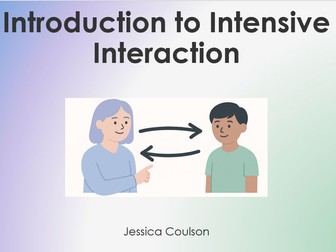
This training package provides everything you need to deliver clear, neuro affirming Intensive Interaction training within your school or setting. It includes a full PowerPoint presentation for staff training sessions and a recorded training video for self study or team CPD. The training introduces the foundations of Intensive Interaction, including early communication development, mirroring, stimming, sensory needs and the seven stages of interaction. It offers practical, child centred strategies for building connection, supporting regulation and developing meaningful communication with children and young people who may find typical social interaction challenging. Staff will gain confidence in: • Understanding the purpose and value of Intensive Interaction • Recognising and responding to stimming and self confirming behaviours • Using mirroring and attuned responses • Following the child’s lead • Supporting each stage of the Intensive Interaction process This training is suitable for mainstream schools, specialist settings, early years environments and any team seeking to strengthen communication approaches in a respectful, neuro affirming way.
Phonics Visual Supports | RWI Set 1Quick View
JC-SEND

Phonics Visual Supports | RWI Set 1

(0)
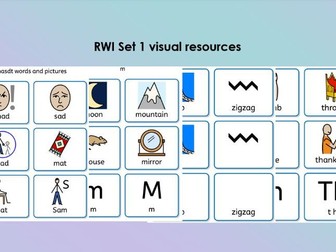
Save your self hours of resource creation with these visual supports for RWI Set 1. These visual supports are designed to make Read Write Inc Set 1 sounds more accessible for autistic learners and for children who are non speaking or minimally speaking. Each sound is paired with a clear visual cue and a simple word, building progressively to support early decoding. The visuals reduce language load, increase predictability and offer a structured way for learners to engage with phonics at their own pace. They can be used in whole class teaching, small groups or individual sessions. Ideal for learners who rely on visual communication or benefit from low demand, highly supported phonics input, these resources help ensure every child can access RWI Set 1 in a clear, inclusive and meaningful way.
An Introduction to PATH plans - Person Centred PlanningQuick View
JC-SEND

An Introduction to PATH plans - Person Centred Planning

(0)
This ready‑to‑deliver training provides a practical introduction to Person Centred Planning with a focus on the PATH approach. The session is fully prepared for immediate use, making it ideal for schools, SEND teams and professionals who want to embed person‑centred practice without additional planning. The training covers the core principles of PCP, how to create welcoming and accessible meetings, the difference between person‑centred and service‑centred approaches, and how to facilitate a PATH plan from dreams and values through to goals and actions. It also includes guidance on visuals, props, family involvement and choosing the right environment. Perfect for staff CPD, inset days or team training, this resource gives you everything you need to run an engaging, practical and meaningful session that places children and young people at the centre of planning and decision making.
Gestalt Language Processing Observation FormQuick View
JC-SEND

Gestalt Language Processing Observation Form

(0)
This Gestalt Language Processing (GLP) Observation Form is a practical, easy‑to‑use tool for tracking and analysing the language of gestalt language processors during real activities and interactions. It supports teachers, speech and language professionals and support staff in identifying a learner’s current GLP stage and monitoring progress over time. The form allows you to: • Record naturalistic language samples during play, lessons or daily routines • Log immediate echolalia, single‑word gestalts, longer gestalts, mitigated gestalts and self‑generated language • Note physical gestalts and when they occur • Calculate percentages for each language type to determine the learner’s GLP stage • Build a clear picture of how a child is communicating in context Also included is a worked example to guide accurate use, showing how to transcribe language, colour‑code gestalts and interpret the results. It is ideal for use in classrooms, therapy sessions and multidisciplinary teams, helping staff make informed, neuro‑affirming decisions about next steps in language support.