Written in response to the “Flags” debates and the “shoot them in the boats” learned conversations that I have unfortunately had from year 7s I decided that I would tackle the tockosphere with facts.
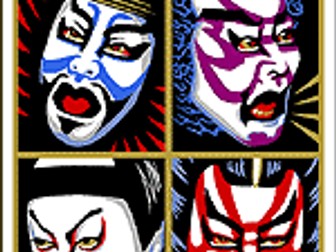
Kabuki lessons in power point with dramatic terminology and hyperlinks to relevant videos. Japanese phrases, tea ceremony and cultural information are all included alongside two Kabuki tales. Learn about traditional male and female movements as well as the role of the theatre and masks in this exciting form of performance.
Created for Drama students to complete in depth examples when reviewing own work."BTEC TECH Performing Arts Award, component 2 demands the students to ‘Review own development and performance’ ". This document allows the students room to begin the thought process and develop whilst asking the key questions.
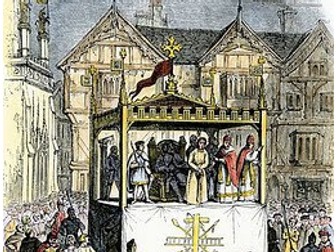
Everything that you need for teaching about the Mystery, Miracle and Morality plays. “The Everyman” is used as a teaching resource so this would also be a great cross curricular unit as looks at Allegory (English) and Trade Guilds/ Role of Church (History).
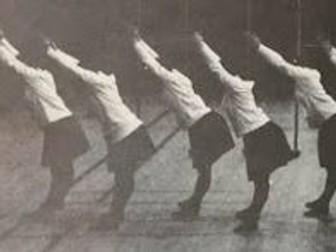
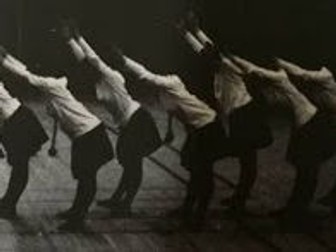
Thorough description of everything PHYSICAL in theatre. If it moves in some direction and has been on the stage then this document has it covered. From Jacques Lecoq to DV8 it is here. Brought to you in Seven States of Tension, with love.
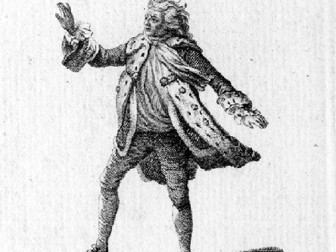
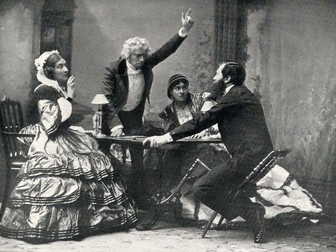
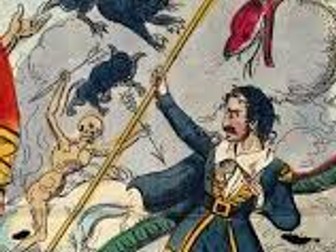
Thorough description of the trials and tribulations of Melodramatic Theatre. If it was happening in the 18th Century and it was done with a swoon and swish of a cape then it is on this document. Brought to you by Evil Henchmen and Damsels in Distress of Drama, with love.
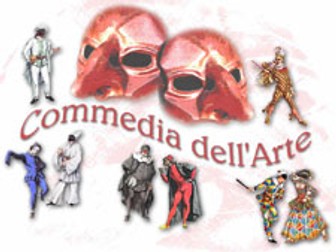
Thorough description of the Italian “Street Theatre” from the 16th to the 18th Century. If it happened in a piazza, during a “Lazzi” between Il Capitano and Pantalone this document has it! Including details on the first professional actress in Europe. Brought to you via the I Gelosi Troupe, con amore.
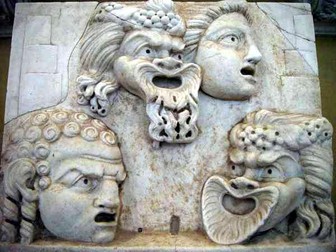
Thorough description of what was going down in Ancient Greece in Theatrical terms. If it was in a toga on an amphitheatre in Athens, it’s here! Painstakingly put together by the Elves of Drama, with love, for you.
Year 8 Drama Assessment Grid with 3 columns; Creating, Performing, Evaluating. There are 3 moderators; Knowledge/Use Of/ Mastery.
This form can be used by the students in the assessment and by the teacher to discuss/ explore what the targets are for future. Can be adapted for other year groups.
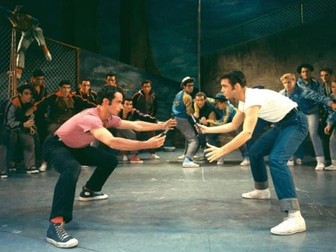
Set of 6 drama lessons based on devising which uses drama to explore gangs and peer pressure. With up-to-date references on County Lines this set of lessons can be used as a citizenship teaching aide as well.
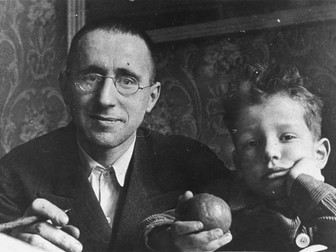
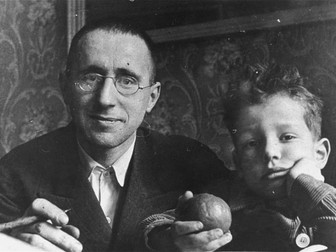
Huge amount of information in one delicious drama dollop. Two documents here jam packed about Bertolt Brecht and his “epic” ways. Written for Year 7 but can be used for GSCE / BTEC / A Level revision.
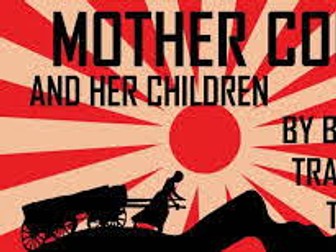
Thorough description of the famous German Practitioner and Epic Theatre. If it was on a “placard”, in a “Caucasian Chalk Circle”, with music and Gestus then it will be in this document. Created by Mother Courage, with love and Verfremdungseffekt.
Year 7 Drama Assessment Grid with 3 columns; Creating, Performing, Evaluating. There are 3 moderators; Knowledge/Use Of/ Mastery.
This form can be used by the students in the assessment and by the teacher to discuss/ explore what the targets are for future. Can be adapted for other year groups.
Thorough description of the Big Stan in one place. If it was “Method Acting” and part of the “Given Circumstances” then it is totally, really , in this document. Brought to you by the Moscow Art Theatre, with love.
Written for a low level year 11 RE class this power is about Homophobia and Hate Crime. Focussing on the stats from police and giving examples of what hate crime is this aims to explain why is it not a good idea to keep on saying"thats so gay" or help explain why loudly hating a whole demographic might get you into trouble. I have added a couple of video links for context so that there is some historical placement and possible further debate ie “conversion therapy - what is it”, “why do we still need Pride”.
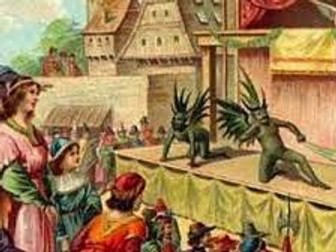
Thorough description of what was going on in Medieval Theatre. If you want to know the difference between the Mystery, Morality and Miracle play - you have come to the right place. Written for you by the Trade Guilds of Drama, with love.
I made this to stop screaming at the kids and them telling me that they didn’t know. I put their names in the examples so it all feels personalised and warned them that they had no reason to get it wrong. It is a fun tool that they “might” use when they are writing.
Marlowe’s favourite naughty boy of Wittenberg, mixes in necromancy and theology with devastating results. These four lessons explore dramatically the “devilish pact” and Marlowe’s text.
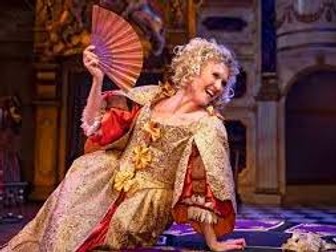
Four lessons which cover the shenanigans of those party thespians in the late 1600s. With the language of fans replacing the mobile phone in one lesson this Unit explores Restoration Theatre in a fun packed way.