DESCUBRIENDO LOS SECRETOS DEL AMAZONASQuick View
Futurum_Careers

DESCUBRIENDO LOS SECRETOS DEL AMAZONAS

(0)
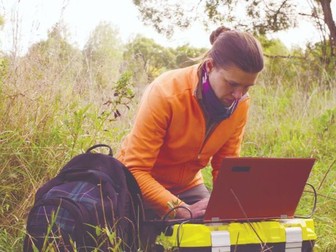
Suitable for 14 to 19-year-olds (secondary and high schools, and college), this article and accompanying activity sheet can be used in the classroom or shared with students online. This resource links to KS4 and KS5 Spanish and Biology. It can also be used as a careers resource and links to Gatsby Benchmarks: Gatsby Benchmark 2: Learning from career and labour market information Gatsby Benchmark 4: Linking curriculum learning to careers • This Spanish teaching resource explains the work of Dr Guilherme Oliveira, based at the Vale Institute of Technology in Brazil, who leads a team working with Amazonian biodiversity. Together, they conduct genomic analysis on plants, animals and microorganisms in a habitat that is extremely diverse and still relatively unknown. • This resource also contains an interview with Guilherme. If you or your students have a question for him, you can submit it online – go to the article using the Futurum link below and scroll to the bottom of the page. Guilherme will reply! • The activity sheet provides ‘talking points’ (based on Bloom’s Taxonomy) to prompt students to reflect on Guilherme’s research, and tasks them to imagine they are a researcher embarking on a biodiversity project. This resource was first published on Futurum Careers, a free online resource and magazine aimed at encouraging 14-19-year-olds worldwide to pursue careers in science, tech, engineering, maths, medicine (STEM) and social sciences, humanities and the arts for people and the economy (SHAPE). If you like these free resources – or have suggestions for improvements –, please let us know and leave us some feedback. Thank you!
PREDECIR EL FUTURO: EL PODER DE LA MODELIZACIÓNQuick View
Futurum_Careers

PREDECIR EL FUTURO: EL PODER DE LA MODELIZACIÓN

(0)
Suitable for 14 to 19-year-olds (secondary and high schools, and college), this article and accompanying activity sheet can be used in the classroom or shared with students online. This resource links to KS4 and KS5 entomology and nematology. It can also be used as a careers resource and links to Gatsby Benchmarks: Gatsby Benchmark 2: Learning from career and labour market information Gatsby Benchmark 4: Linking curriculum learning to careers • This teaching resource explains the work of Dr Christian Nansen, from the Department of Entomology and Nematology at the University of California, Davis, who developed an interactive teaching tool that uses mathematical models to predict and manage future outcomes. • This resource also contains an interview with Christian. If you or your students have a question for him, you can submit it online – go to the article using the Futurum link below and scroll to the bottom of the page. Christian will reply! • The activity sheet provides ‘talking points’ (based on Bloom’s Taxonomy) to prompt students to reflect on Christian’s research and tasks them to think about how you could use mathematical modelling results to influence the future. • This resource is also available in English from the link below. This resource was first published on Futurum Careers, a free online resource and magazine aimed at encouraging 14-19-year-olds worldwide to pursue careers in science, tech, engineering, maths, medicine (STEM) and social sciences, humanities and the arts for people and the economy (SHAPE). If you like these free resources – or have suggestions for improvements –, please let us know and leave us some feedback. Thank you!
ENTENDER LAS COMUNIDADES LINGÜÍSTICAS: LA MULTILINGÜE, LA TRANSNACIONAL Y LA TRANSLINGÜÍSTICAQuick View
Futurum_Careers

ENTENDER LAS COMUNIDADES LINGÜÍSTICAS: LA MULTILINGÜE, LA TRANSNACIONAL Y LA TRANSLINGÜÍSTICA

(0)
Suitable for 14 to 19-year-olds (secondary and high schools, and college), this article and accompanying activity sheet can be used in the classroom or shared with students online. This resource links to KS4 and KS5 Spanish. It can also be used as a careers resource and links to Gatsby Benchmarks: Gatsby Benchmark 2: Learning from career and labour market information Gatsby Benchmark 4: Linking curriculum learning to careers • This Spanish teaching resource explains the work of Professor Stephen Hutchings, based at the University of Manchester in the UK, who has been leading a modern languages research programme exploring the relationship between language and community. • This resource also contains an interview with Stephen and several team members. If you or your students have a question for them, you can submit it online – go to the article using the Futurum link below and scroll to the bottom of the page. The team will reply! • The activity sheet provides ‘talking points’ (based on Bloom’s Taxonomy) to prompt students to reflect on the research, and tasks them to devise a community engagement workshop. This resource was first published on Futurum Careers, a free online resource and magazine aimed at encouraging 14-19-year-olds worldwide to pursue careers in science, tech, engineering, maths, medicine (STEM) and social sciences, humanities and the arts for people and the economy (SHAPE). If you like these free resources – or have suggestions for improvements –, please let us know and leave us some feedback. Thank you!
Decolonising film festival researchQuick View
Futurum_Careers

Decolonising film festival research

(0)
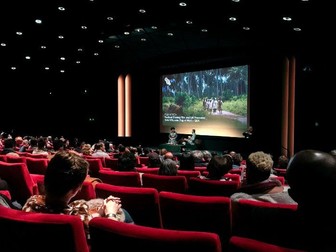
Suitable for 14-19-year olds (secondary and high schools, and college), this article and accompanying activity sheet can be used in the classroom, film clubs and at home. This resource links to KS4 and KS5 media studies. It can also be used as a careers resource and links to Gatsby Benchmarks: Gatsby Benchmark 2: Learning from career and labour market information Gatsby Benchmark 4: Linking curriculum learning to careers • This teaching resource explains the work of film researchers Professor Sheila Petty and Dr Estrella Sendra. They have developed a methodology to help remove the colonial influences from film festival research. • This resource also contains an interview with Sheila and Estrella and offers an insight into careers in film. If your students have questions for Sheila and Estrella, they can send them to them online. All they need to do is to go to the article online (see the Futurum link below), scroll down to the end and type in the question(s). Sheila and Estrella will reply! • The activity sheet provides ‘talking points’ (based on Bloom’s Taxonomy) to prompt students to reflect on Sheila and Estrella’s research and challenges them to make their own film and curate their own film festival. • The article and activity sheet are also available in French and Wolof through the weblink below. This resource was first published on Futurum Careers: https://futurumcareers.com/decolonising-film-festival-research This resource was first published on Futurum Careers, a free online resource and magazine aimed at encouraging 14-19-year-olds worldwide to pursue careers in science, tech, engineering, maths, medicine (STEM) and social sciences, humanities and the arts for people and the economy (SHAPE). If you like these free resources – or have suggestions for improvements –, please let us know and leave us some feedback. Thank you!
How do hurricanes impact forest ecosystems?Quick View
Futurum_Careers

How do hurricanes impact forest ecosystems?

(0)
Suitable for 14-19-year olds (secondary and high schools, and college), this article and accompanying activity sheet can be used in the classroom, STEM clubs and at home. This resource links to KS4 and KS5 biology and geography. It can also be used as a careers resource and links to Gatsby Benchmarks: Gatsby Benchmark 2: Learning from career and labour market information Gatsby Benchmark 4: Linking curriculum learning to careers • This teaching resource introduces the work of ecologists at the Luquillo Long Term Ecological Research Program in Puerto Rico. They are investigating how the forests of Puerto Rico respond to disturbances such as hurricanes, droughts and human activity. • This resource also contains interviews with team members and offers an insight into careers in ecology. If your students have questions for name, they can send them through the Futurum Careers website. • The activity sheet provides ‘talking points’ (based on Bloom’s Taxonomy) to prompt students to reflect on the team’s research and challenges them to analyse long term hydrology data from Luquillo to explore changes in rainfall and river flow rate. • The article and activity sheet are also available in Spanish from the Futurum website. This resource was first published by Futurum Careers, a free online resource and magazine aimed at encouraging 14-19-year-olds worldwide to pursue careers in science, tech, engineering, maths, medicine (STEM) and social sciences, humanities and the arts for people and the economy (SHAPE). If you like these free resources, or have suggestions for improvements, please let us know and leave us some feedback. Thank you!

¿Cuál es el impacto de los huracanes en los ecosistemas forestales?Quick View
Futurum_Careers

¿Cuál es el impacto de los huracanes en los ecosistemas forestales?

(0)
Suitable for 14-19-year olds (secondary and high schools, and college), this Spanish language article and accompanying activity sheet can be used in the classroom, STEM clubs and at home. This resource links to KS4 and KS5 Spanish, biology and geography. It can also be used as a careers resource and links to Gatsby Benchmarks: Gatsby Benchmark 2: Learning from career and labour market information Gatsby Benchmark 4: Linking curriculum learning to careers • This teaching resource introduces the work of ecologists at the Luquillo Long Term Ecological Research Program in Puerto Rico. They are investigating how the forests of Puerto Rico respond to disturbances such as hurricanes, droughts and human activity. • This resource also contains interviews with team members and offers an insight into careers in ecology. If your students have questions for name, they can send them through the Futurum Careers website. • The activity sheet provides ‘talking points’ (based on Bloom’s Taxonomy) to prompt students to reflect on the team’s research and challenges them to analyse long term hydrology data from Luquillo to explore changes in rainfall and river flow rate. • The article and activity sheet are also available in English from the Futurum website. This resource was first published by Futurum Careers, a free online resource and magazine aimed at encouraging 14-19-year-olds worldwide to pursue careers in science, tech, engineering, maths, medicine (STEM) and social sciences, humanities and the arts for people and the economy (SHAPE). If you like these free resources, or have suggestions for improvements, please let us know and leave us some feedback. Thank you!

What could you achieve with a career in primary care nursing?Quick View
Futurum_Careers

What could you achieve with a career in primary care nursing?

(0)
Suitable for 14-19-year olds (secondary and high schools, and college), this article and accompanying activity sheet can be used in the classroom and at home. This resource links to KS4 and KS5 health education and careers education. It can also be used as a careers resource and links to Gatsby Benchmarks: Gatsby Benchmark 2: Learning from career and labour market information Gatsby Benchmark 4: Linking curriculum learning to careers • This teaching resource explains the work of Dr Julia Lukewich, from Memorial University in Canada, and Professor Liz Halcomb, from the University of Wollongong in Australia, who are encouraging students to consider a career in primary care nursing. • This resource also contains interviews with Julia and Liz and offers an insight into careers in primary care nursing. If your students have questions for Julia and Liz, they can send them through the Futurum Careers website. • The activity sheet provides ‘talking points’ (based on Bloom’s Taxonomy) to prompt students to reflect on Julia and Liz’s research and challenges them to design an exhibit for a careers fair to promote careers in primary care nursing to their classmates. • The article and activity sheet are also available in French from the Futurum website. This resource was first published by Futurum Careers, a free online resource and magazine aimed at encouraging 14-19-year-olds worldwide to pursue careers in science, tech, engineering, maths, medicine (STEM) and social sciences, humanities and the arts for people and the economy (SHAPE). If you like these free resources, or have suggestions for improvements, please let us know and leave us some feedback. Thank you!
Que pourriez-vous accomplir en faisant carrière en soins infirmiers primaires ?Quick View
Futurum_Careers

Que pourriez-vous accomplir en faisant carrière en soins infirmiers primaires ?

(0)
Suitable for 14-19-year olds (secondary and high schools, and college), this French language article and accompanying activity sheet can be used in the classroom and at home. This resource links to KS4 and KS5 French, health education and careers education. It can also be used as a careers resource and links to Gatsby Benchmarks: Gatsby Benchmark 2: Learning from career and labour market information Gatsby Benchmark 4: Linking curriculum learning to careers • This teaching resource explains the work of Dr Julia Lukewich, from Memorial University in Canada, and Professor Liz Halcomb, from the University of Wollongong in Australia, who are encouraging students to consider a career in primary care nursing. • This resource also contains interviews with Julia and Liz and offers an insight into careers in primary care nursing. If your students have questions for Julia and Liz, they can send them through the Futurum Careers website. • The activity sheet provides ‘talking points’ (based on Bloom’s Taxonomy) to prompt students to reflect on Julia and Liz’s research and challenges them to design an exhibit for a careers fair to promote careers in primary care nursing to their classmates. • The article and activity sheet are also available in English from the Futurum website. This resource was first published by Futurum Careers, a free online resource and magazine aimed at encouraging 14-19-year-olds worldwide to pursue careers in science, tech, engineering, maths, medicine (STEM) and social sciences, humanities and the arts for people and the economy (SHAPE). If you like these free resources, or have suggestions for improvements, please let us know and leave us some feedback. Thank you!

Recherches sur la restauration des tourbières au Canada et sur leur pouvoir de stockageQuick View
Futurum_Careers

Recherches sur la restauration des tourbières au Canada et sur leur pouvoir de stockage

(0)
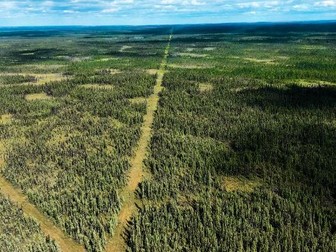
Suitable for 14-19-year olds (secondary and high schools, and college), this French language article and accompanying activity sheet can be used in the classroom and at home. This resource links to KS4 and KS5/Grade 9-10 and Grade 11-12 Geography and Biology. It can also be used as a careers resource and links to Gatsby Benchmarks (UK): Gatsby Benchmark 2: Learning from career and labour market information Gatsby Benchmark 4: Linking curriculum learning to careers • This teaching resource explains the work of Professor Maria Strack from the University of Waterloo in Canada. She is investigating how the disturbance and restoration of peatlands affects their ability to store carbon. • This resource also contains an interview with Maria, and offers an insight into careers in physical geography. If your students have questions for Maria, they can send them through the Futurum Careers website. • The activity sheet provides ‘talking points’ (based on Bloom’s Taxonomy) to prompt students to reflect on Maria’s research and challenges them to investigate how different types of peatland disturbance influence climate change. The article and activity sheet are also available in English from the Futurum website. This resource was first published by Futurum Careers, a free online resource and magazine aimed at encouraging 14-19-year-olds worldwide to pursue careers in science, tech, engineering, maths, medicine (STEM) and social sciences, humanities and the arts for people and the economy (SHAPE). If you like these free resources, or have suggestions for improvements, please let us know and leave us some feedback. Thank you!

Studying and restoring Canada’s peatlands and their carbon storage superpowerQuick View
Futurum_Careers

Studying and restoring Canada’s peatlands and their carbon storage superpower

(0)
Suitable for 14-19-year olds (secondary and high schools, and college), this article and accompanying activity sheet can be used in the classroom, STEM clubs and at home. This resource links to KS4 and KS5/Grade 9-10 and Grade 11-12 Geography and Biology. It can also be used as a careers resource and links to Gatsby Benchmarks (UK): Gatsby Benchmark 2: Learning from career and labour market information Gatsby Benchmark 4: Linking curriculum learning to careers • This teaching resource explains the work of Professor Maria Strack from the University of Waterloo in Canada. She is investigating how the disturbance and restoration of peatlands affects their ability to store carbon. • This resource also contains an interview with Maria, and offers an insight into careers in physical geography. If your students have questions for Maria, they can send them through the Futurum Careers website. • The activity sheet provides ‘talking points’ (based on Bloom’s Taxonomy) to prompt students to reflect on Maria’s research and challenges them to investigate how different types of peatland disturbance influence climate change. The article and activity sheet are also available in French from the Futurum website. This resource was first published by Futurum Careers, a free online resource and magazine aimed at encouraging 14-19-year-olds worldwide to pursue careers in science, tech, engineering, maths, medicine (STEM) and social sciences, humanities and the arts for people and the economy (SHAPE). If you like these free resources, or have suggestions for improvements, please let us know and leave us some feedback. Thank you!

Dancing for change: how 1980s dance parties shaped LGBTQ2+ liberationQuick View
Futurum_Careers

Dancing for change: how 1980s dance parties shaped LGBTQ2+ liberation

(0)
Suitable for 14-19-year olds (secondary and high schools, and college), this article and accompanying activity sheet can be used in the classroom, music and dance clubs and at home. This resource links to KS4 and KS5 history, sociology and music. It can also be used as a careers resource and links to Gatsby Benchmarks: Gatsby Benchmark 2: Learning from career and labour market information Gatsby Benchmark 4: Linking curriculum learning to careers • This teaching resource explains the work of Dr Craig Jennex, an LGBTQ2+ studies researcher at Toronto Metropolitan University, Canada. He is exploring the role of music and dance in LGBTQ2+ liberation by investigating the history of Toronto’s Gay Community Dance Committee in the 1980s. • This resource also contains an interview with Craig and offers an insight into careers in LGBTQ2+ studies. If your students have questions for Craig, they can send them through the Futurum Careers website. • The activity sheet provides ‘talking points’ (based on Bloom’s Taxonomy) to prompt students to reflect on Craig’s research and challenges them to explore the power of music by listening to songs played at 1980s LGBTQ2+ dance parties. • The article and activity sheet are also available in French from the Futurum website. This resource was first published by Futurum Careers, a free online resource and magazine aimed at encouraging 14-19-year-olds worldwide to pursue careers in science, tech, engineering, maths, medicine (STEM) and social sciences, humanities and the arts for people and the economy (SHAPE). If you like these free resources, or have suggestions for improvements, please let us know and leave us some feedback. Thank you!

Comment les soirées dansantes des années 1980 ont façonné la libération des LGBTQ2+Quick View
Futurum_Careers

Comment les soirées dansantes des années 1980 ont façonné la libération des LGBTQ2+

(0)
Suitable for 14-19-year olds (secondary and high schools, and college), this French language article and accompanying activity sheet can be used in the classroom, music and dance clubs and at home. This resource links to KS4 and KS5 French, history, sociology and music. It can also be used as a careers resource and links to Gatsby Benchmarks: Gatsby Benchmark 2: Learning from career and labour market information Gatsby Benchmark 4: Linking curriculum learning to careers • This teaching resource explains the work of Dr Craig Jennex, an LGBTQ2+ studies researcher at Toronto Metropolitan University, Canada. He is exploring the role of music and dance in LGBTQ2+ liberation by investigating the history of Toronto’s Gay Community Dance Committee in the 1980s. • This resource also contains an interview with Craig and offers an insight into careers in LGBTQ2+ studies. If your students have questions for Craig, they can send them through the Futurum Careers website. • The activity sheet provides ‘talking points’ (based on Bloom’s Taxonomy) to prompt students to reflect on Craig’s research and challenges them to explore the power of music by listening to songs played at 1980s LGBTQ2+ dance parties. • The article and activity sheet are also available in English from the Futurum website. This resource was first published by Futurum Careers, a free online resource and magazine aimed at encouraging 14-19-year-olds worldwide to pursue careers in science, tech, engineering, maths, medicine (STEM) and social sciences, humanities and the arts for people and the economy (SHAPE). If you like these free resources, or have suggestions for improvements, please let us know and leave us some feedback. Thank you!
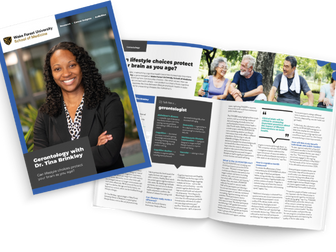
Gerontology: Can lifestyle choices protect your brain as you age?Quick View
Futurum_Careers

Gerontology: Can lifestyle choices protect your brain as you age?

(0)
Suitable for 14-19-year olds (secondary and high schools, and college), this article and accompanying activity sheet can be used in the classroom, STEM clubs and at home. This resource links to KS4 and KS5 health and biology. It can also be used as a careers resource and links to Gatsby Benchmarks: Gatsby Benchmark 2: Learning from career and labour market information Gatsby Benchmark 4: Linking curriculum learning to careers • This teaching resource explains the work of Dr Tina Brinkley, a gerontologist at Wake Forest University School of Medicine. She is investigating how diet, exercise and social activity influence brain health as we age. • This resource also contains an interview with Tina and offers an insight into careers in gerontology. If your students have questions for Tina, they can send them through the Futurum Careers website. • The activity sheet provides ‘talking points’ (based on Bloom’s Taxonomy) to prompt students to reflect on Tina’s research and challenges them to design a week-long brain boosting schedule containing activities to promote their brain health. • In the accompanying podcast, Tina discusses the importance of finding mentors to support you and explains how a career in gerontology will allow you to help people as they grow older. The accompanying podcast PowerPoint contains questions to encourage students to reflect on what she says. • The animation can be used as an engaging learning resource to showcase Tina’s career journey and research. • The PowerPoint reiterates the key points from the article, highlights career pathways in gerontology, and contains questions to encourage students to reflect on their own aspirations. • All resources are also available in Spanish (through TES or the Futurum website) This resource was first published by Futurum Careers, a free online resource and magazine aimed at encouraging 14-19-year-olds worldwide to pursue careers in science, tech, engineering, maths, medicine (STEM) and social sciences, humanities and the arts for people and the economy (SHAPE). If you like these free resources, or have suggestions for improvements, please let us know and leave us some feedback. Thank you!
Gerontología ¿Las elecciones de estilo de vida pueden proteger el cerebro a medida que envejece?Quick View
Futurum_Careers

Gerontología ¿Las elecciones de estilo de vida pueden proteger el cerebro a medida que envejece?

(0)
Suitable for 14-19-year olds (secondary and high schools, and college), this Spanish language article and accompanying activity sheet can be used in the classroom, STEM clubs and at home. This resource links to KS4 and KS5/Grade 9-10 and Grade 11-12 health and biology. It can also be used as a careers resource and links to Gatsby Benchmarks (UK): Gatsby Benchmark 2: Learning from career and labour market information Gatsby Benchmark 4: Linking curriculum learning to careers • This teaching resource explains the work of Dr Tina Brinkley, a gerontologist at Wake Forest University School of Medicine. She is investigating how diet, exercise and social activity influence brain health as we age. • This resource also contains an interview with Tina and offers an insight into careers in gerontology. • The activity sheet provides ‘talking points’ (based on Bloom’s Taxonomy) to prompt students to reflect on Tina’s research and challenges them to design a week-long brain boosting schedule containing activities to promote their brain health. • The accompanying PowerPoint reiterates the key points in the article and encourages students to reflect on their own aspirations. • In the accompanying podcast, Tina discusses the importance of finding mentors to support you. • An animation about Tina’s work is available from the Futurum website, along with a downloadable script. • The article, activity sheet, PowerPoint and animation are also available in Spanish from the Futurum website. This resource was first published by Futurum Careers, a free online resource and magazine aimed at encouraging 14-19-year-olds worldwide to pursue careers in science, tech, engineering, maths, medicine (STEM) and social sciences, humanities and the arts for people and the economy (SHAPE). If you like these free resources, or have suggestions for improvements, please let us know and leave us some feedback. Thank you!
Electronics Engineering with Professor Peter GammonQuick View
Futurum_Careers

Electronics Engineering with Professor Peter Gammon

(0)
Suitable for 14 to 19-year-olds (secondary and high schools, and college), this careers podcast can be used in the classroom or shared with students online. This podcast links to KS4 and KS5 engineering and careers. It links to: Gatsby Benchmark 2: Learning from career and labour market information Gatsby Benchmark 4: Linking curriculum learning to careers • Professor Peter Gammon is an electronics engineer at the University of Warwick in the UK. In this episode of the Futurum Podcast, Peter provides insights into his education and career path, giving students thoughtful and encouraging advice. • The PowerPoint contains pre- and post-listening talking points and questions that enable students to break the podcast down and reflect on their own skills and aspirations. • The transcript is also available for accessibility. Please think before you print! This resource was first published on Futurum Careers, a free online resource and magazine aimed at encouraging 14-19-year-olds worldwide to pursue careers in science, tech, engineering, maths, medicine (STEM) and social sciences, humanities and the arts for people and the economy (SHAPE). If you like these free resources – or have suggestions for improvements –, please let us know and leave us some feedback. Thank you!
Supporting pre-service teachers in kickstarting a mentally healthy careerQuick View
Futurum_Careers

Supporting pre-service teachers in kickstarting a mentally healthy career

(0)
Suitable for teacher training, continuing professional development and staff well-being. • Teaching is a highly rewarding but also highly challenging career. Ensuring that pre-service teachers avoid compassion fatigue and burnout, both through their own self-care and through accessing support resources, is the mission of HEARTcare. Dr Astrid Kendrick, of the University of Calgary in Canada, believes that the HEARTcare resources that she helped formulate can set pre-service teachers on the path to a truly rewarding teaching career. • The activity sheet provides an insight into Astrid’s career and questions from the HEARTcare framework to prompt self-reflection. • If you have a question for Astrid, go to the article using the Futurum link below and scroll to the bottom of the page. Astrid will reply. This resource was first published on Futurum Careers, a free online resource and magazine aimed at encouraging 14-19-year-olds worldwide to pursue careers in science, tech, engineering, maths, medicine (STEM) and social sciences, humanities and the arts for people and the economy (SHAPE). If you like these free resources – or have suggestions for improvements –, please let us know and leave us some feedback. Thank you!
Aider les enseignants en formation initiale à entamer leur carrière en toute sérénité mentaleQuick View
Futurum_Careers

Aider les enseignants en formation initiale à entamer leur carrière en toute sérénité mentale

(0)
A French language resource suitable for teacher training, continuing professional development and staff well-being. • Teaching is a highly rewarding but also highly challenging career. Ensuring that pre-service teachers avoid compassion fatigue and burnout, both through their own self-care and through accessing support resources, is the mission of HEARTcare. Dr Astrid Kendrick, of the University of Calgary in Canada, believes that the HEARTcare resources that she helped formulate can set pre-service teachers on the path to a truly rewarding teaching career. • The activity sheet provides an insight into Astrid’s career and questions from the HEARTcare framework to prompt self-reflection. • If you have a question for Astrid, go to the article using the Futurum link below and scroll to the bottom of the page. Astrid will reply. This resource was first published on Futurum Careers, a free online resource and magazine aimed at encouraging 14-19-year-olds worldwide to pursue careers in science, tech, engineering, maths, medicine (STEM) and social sciences, humanities and the arts for people and the economy (SHAPE). If you like these free resources – or have suggestions for improvements –, please let us know and leave us some feedback. Thank you!
Enabling students to use large datasetsQuick View
Futurum_Careers

Enabling students to use large datasets

(0)
This resource introduces Project EDDIE (Environmental Data-Driven Inquiry and Exploration), a community of STEM instructors and educational researchers that works to develop flexible classroom modules and resources. Project EDDIE’s resources link to KS4 and KS5 Science, Technology, Engineering, Mathematics and Geography. • This resource also contains an interview with Project EDDIE team member, Dr Tanya Josek. If you or your students have a question for them, you can submit it online – go to the article using the Futurum link below and scroll to the bottom of the page. Tanya will reply! • The activity sheet contains links and further information so you can access all the Project EDDIE teaching resources. • The PowerPoint reiterates the key points in the article. This resource was first published on Futurum Careers, a free online resource and magazine aimed at encouraging 14-19-year-olds worldwide to pursue careers in science, tech, engineering, maths, medicine (STEM) and social sciences, humanities and the arts for people and the economy (SHAPE). If you like these free resources – or have suggestions for improvements –, please let us know and leave us some feedback. Thank you!
POLAR STAR: Teaching science as a wholeQuick View
Futurum_Careers

POLAR STAR: Teaching science as a whole

(0)
The POLAR STAR project is designed to help teachers successfully introduce steam in their classes. It combines state-of-the-art pedagogies and exciting activities to teach ‘science as a whole’ and help teachers answer the “why do we have to learn this?” question. This resource links to KS2, KS3 and KS4 Science and Technology. It also contains interviews with teachers who are part of the POLAR STAR community. If you have a question for the POLAR STAR team, you can submit it online – go to the article using the Futurum link below and scroll to the bottom of the page. The team will reply. The information sheet provides all the links you need to access the POLAR resources, including teaching toolkits. This resource was first published on Futurum Careers, a free online resource and magazine aimed at encouraging 14-19-year-olds worldwide to pursue careers in science, tech, engineering, maths, medicine (STEM) and social sciences, humanities and the arts for people and the economy (SHAPE). If you like these free resources – or have suggestions for improvements –, please let us know and leave us some feedback. Thank you!
Using creative arts to address children’s eco-anxietyQuick View
Futurum_Careers

Using creative arts to address children’s eco-anxiety

(0)
Suitable for teachers, this article and accompanying activity sheet can be used in the classroom, art clubs and at home. This resource is a CPD teacher toolkit. • This teaching resource explains the work of Canadian psychology researchers Dr Catherine Malboeuf-Hurtubise, Dr Catherine Herba and Dr Jonathan Smith. They are exploring how creative arts can help children address eco-anxiety and equipping teachers to better support their students’ climate concerns. • This resource also contains advice for teachers. If you have questions for the team you can send them online through the Futurum Careers website. Catherine, Catherine and Jonathan will reply! • The activity sheet contains instructions for conducting creative art activities in your classroom to help your children explore their eco-anxiety… • The article and activity sheet are also available in French. This resource was first published by Futurum Careers, a free online resource and magazine aimed at encouraging 14-19-year-olds worldwide to pursue careers in science, tech, engineering, maths, medicine (STEM) and social sciences, humanities and the arts for people and the economy (SHAPE). If you like these free resources, or have suggestions for improvements, please let us know and leave us some feedback. Thank you!
Biology: Telomeres - the chromosome tips that stave off ageingQuick View
Futurum_Careers

Biology: Telomeres - the chromosome tips that stave off ageing

(1)
Suitable for 14-19-year olds (secondary and high schools, and college), this article and accompanying activity sheet can be used in the classroom, STEM clubs and at home. This resource links to KS4 and KS5 biology. It can also be used as a careers resource and links to Gatsby Benchmarks: Gatsby Benchmark 2: Learning from career and labour market information Gatsby Benchmark 4: Linking curriculum learning to careers • This teaching resource explains the work of Professor Julie Cooper, a molecular biologist at the University of Colorado Anschutz Medical Campus. She and her team are investigating the roles of telomeres in living organisms. • This resource also contains interviews with members of Julie’s lab. If your students have questions for the team, they can send them through the Futurum Careers website. • The activity sheet provides ‘talking points’ (based on Bloom’s Taxonomy) to prompt students to reflect on Julie’s research and challenges them to create a poster to explore the function of telomeres. This resource was first published by Futurum Careers, a free online resource and magazine aimed at encouraging 14-19-year-olds worldwide to pursue careers in science, tech, engineering, maths, medicine (STEM) and social sciences, humanities and the arts for people and the economy (SHAPE). If you like these free resources, or have suggestions for improvements, please let us know and leave us some feedback. Thank you!