Cognitive psychology - careers adviceQuick View
Futurum_Careers

Cognitive psychology - careers advice

(0)
Thank you for downloading this free resource. Let us know how we are doing and leave us a review. Suitable for 14-19-year olds (secondary and high schools, and college), this article and accompanying activity sheet can be used in the classroom, STEM clubs and at home. This resource links to KS4 and KS5 Psychology and Careers. It can also be used as a careers resource and links to Gatsby Benchmarks: Gatsby Benchmark 2: Learning from career and labour market information Gatsby Benchmark 4: Linking curriculum learning to careers • This PowerPoint explains the work of Dr Jonathan Grainger, a cognitive psychologist who is using experimental techniques to determine how skilled readers process words and sentences. • This resource also contains an interview with Dr Grainger and advice about careers in this field. If you or your students have a question for him, you can submit it online – go to the article using the Futurum link below and scroll to the bottom of the page. Dr Grainger will reply! • The Ppt. contains ‘talking points’ to prompt students to reflect on Dr Grainger’s work, career path and the tips he offers. This resource was first published on Futurum Careers, a free online resource and magazine aimed at encouraging 14-19-year-olds worldwide to pursue careers in science, tech, engineering, maths, medicine (STEM) and social sciences, humanities and the arts for people and the economy (SHAPE). If you like these free resources – or have suggestions for improvements –, please let us know and leave us some feedback. Thank you!

Flying high with careers in aviationQuick View
Futurum_Careers

Flying high with careers in aviation

(0)
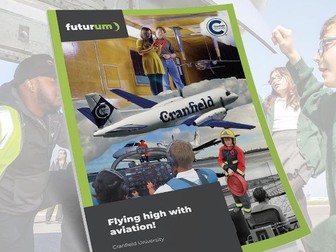
Suitable for 14-19-year olds (secondary and high schools, and college), this article and accompanying activity sheet can be used in the classroom, STEM clubs, careers fairs and at home. This resource links to KS4 and KS5 engineering and careers. It can also be used as a careers resource and links to Gatsby Benchmarks: Gatsby Benchmark 2: Learning from career and labour market information Gatsby Benchmark 4: Linking curriculum learning to careers • This teaching resource explains the work of members of Cranfield University, who highlight the diverse range of career opportunities available in the aviation industry. • This resource also contains interviews with team members and offers an insight into careers in aviation. If your students have questions for the team, they can send them to them online. All they need to do is to go to the article online (see the Futurum link below), scroll down to the end and type in the question(s). The team will reply! • The activity sheet provides ‘talking points’ (based on Bloom’s Taxonomy) to prompt students to reflect on the team member’s roles in the aviation industry and challenges them to design a stall to promote careers in aviation for a school careers fair. • In the accompanying podcast, team members discuss careers in aviation. • The accompanying PowerPoint highlights the key aspects of the article. • There is also an animation (and script) about careers in aviation. This resource was first published on Futurum Careers, a free online resource and magazine aimed at encouraging 14-19-year-olds worldwide to pursue careers in science, tech, engineering, maths, medicine (STEM) and social sciences, humanities and the arts for people and the economy (SHAPE). If you like these free resources – or have suggestions for improvements –, please let us know and leave us some feedback. Thank you!

What makes nursing a dream career?Quick View
Futurum_Careers

What makes nursing a dream career?

(0)
Suitable for 14 to 19-year-olds (secondary and high schools, and college), this article and accompanying activity sheet can be used in the classroom or shared with students online. This resource links to KS4 and KS5 Biology and careers. It can also be used as a careers resource and links to Gatsby Benchmarks: Gatsby Benchmark 2: Learning from career and labour market information Gatsby Benchmark 4: Linking curriculum learning to careers • This teaching resource features Dr Kathryn Halverson, from the Department of Nursing at Brock University, Canada, as she shares insights into the challenges, rewards and opportunities awaiting the next generation of nurses. • This resource also contains interviews with Kathryn and student nurses, providing insights into careers in nursing. • The activity sheet provides ‘talking points’ (based on Bloom’s Taxonomy) to prompt students to reflect on Kathryn’s article, and tasks them to reflect on whether they have the skills and qualities needed for a career in nursing. This resource was first published on Futurum Careers, a free online resource and magazine aimed at encouraging 14-19-year-olds worldwide to pursue careers in science, tech, engineering, maths, medicine (STEM) and social sciences, humanities and the arts for people and the economy (SHAPE). If you like these free resources – or have suggestions for improvements –, please let us know and leave us some feedback. Thank you!

What could you achieve with a career in primary care nursing?Quick View
Futurum_Careers

What could you achieve with a career in primary care nursing?

(0)
Suitable for 14-19-year olds (secondary and high schools, and college), this article and accompanying activity sheet can be used in the classroom and at home. This resource links to KS4 and KS5 health education and careers education. It can also be used as a careers resource and links to Gatsby Benchmarks: Gatsby Benchmark 2: Learning from career and labour market information Gatsby Benchmark 4: Linking curriculum learning to careers • This teaching resource explains the work of Dr Julia Lukewich, from Memorial University in Canada, and Professor Liz Halcomb, from the University of Wollongong in Australia, who are encouraging students to consider a career in primary care nursing. • This resource also contains interviews with Julia and Liz and offers an insight into careers in primary care nursing. If your students have questions for Julia and Liz, they can send them through the Futurum Careers website. • The activity sheet provides ‘talking points’ (based on Bloom’s Taxonomy) to prompt students to reflect on Julia and Liz’s research and challenges them to design an exhibit for a careers fair to promote careers in primary care nursing to their classmates. • The article and activity sheet are also available in French from the Futurum website. This resource was first published by Futurum Careers, a free online resource and magazine aimed at encouraging 14-19-year-olds worldwide to pursue careers in science, tech, engineering, maths, medicine (STEM) and social sciences, humanities and the arts for people and the economy (SHAPE). If you like these free resources, or have suggestions for improvements, please let us know and leave us some feedback. Thank you!
Supporting pre-service teachers in kickstarting a mentally healthy careerQuick View
Futurum_Careers

Supporting pre-service teachers in kickstarting a mentally healthy career

(0)
Suitable for teacher training, continuing professional development and staff well-being. • Teaching is a highly rewarding but also highly challenging career. Ensuring that pre-service teachers avoid compassion fatigue and burnout, both through their own self-care and through accessing support resources, is the mission of HEARTcare. Dr Astrid Kendrick, of the University of Calgary in Canada, believes that the HEARTcare resources that she helped formulate can set pre-service teachers on the path to a truly rewarding teaching career. • The activity sheet provides an insight into Astrid’s career and questions from the HEARTcare framework to prompt self-reflection. • If you have a question for Astrid, go to the article using the Futurum link below and scroll to the bottom of the page. Astrid will reply. This resource was first published on Futurum Careers, a free online resource and magazine aimed at encouraging 14-19-year-olds worldwide to pursue careers in science, tech, engineering, maths, medicine (STEM) and social sciences, humanities and the arts for people and the economy (SHAPE). If you like these free resources – or have suggestions for improvements –, please let us know and leave us some feedback. Thank you!

How do young people manage their career pathways?Quick View
Futurum_Careers

How do young people manage their career pathways?

(0)
Suitable for 14 to 19-year-olds (secondary and high schools, and college), this article and accompanying activity sheet can be used in the classroom or shared with students online. This resource links to KS4 and KS5 Business, Economics and Sociology. It can also be used as a careers resource and links to Gatsby Benchmarks: Gatsby Benchmark 2: Learning from career and labour market information Gatsby Benchmark 4: Linking curriculum learning to careers • This teaching resource explains the work of Professor Jason Heyes, from the Sheffield University Management School, in the UK, who is investigating the difficulties faced by young people moving between jobs, and which policies are most effective to improve their opportunities. • This resource also contains an interview with Jason’s colleague, Stefanie, providing an insight into careers in employment relations. • The activity sheet provides ‘talking points’ (based on Bloom’s Taxonomy) to prompt students to reflect on Jason’s research, and tasks them to think about how they would negotiate a pay rise with their boss. This resource was first published on Futurum Careers, a free online resource and magazine aimed at encouraging 14-19-year-olds worldwide to pursue careers in science, tech, engineering, maths, medicine (STEM) and social sciences, humanities and the arts for people and the economy (SHAPE). If you like these free resources – or have suggestions for improvements –, please let us know and leave us some feedback. Thank you!

Careers in Soil, Plant and Water Science - START NOW to reap the rewards laterQuick View
Futurum_Careers

Careers in Soil, Plant and Water Science - START NOW to reap the rewards later

(0)
Thank you for downloading this free resource. Let us know how we are doing and leave us a review. Suitable for 14-19-year olds (secondary and high schools, and college), this article and accompanying activity sheet can be used in the classroom, STEM clubs and at home. This resource links to KS4 and KS5 Careers, Biology and Environmental Science. It can also be used as a careers resource and links to Gatsby Benchmarks: Gatsby Benchmark 2: Learning from career and labour market information Gatsby Benchmark 4: Linking curriculum learning to careers • This teaching resource explains the work of Dr Shad Nelson from Texas A&M University-Kingsville. He leads the START NOW programme that seeks to improve Hispanic participation in agriculture through experiential learning in soil science, plant science and environmental science. • This resource also contains interviews with Dr Nelson and students who have taken part in the programme, as well as questions to prompt students to reflect on their own skills and aspirations. This resource was first published on Futurum Careers, a free online resource and magazine aimed at encouraging 14-19-year-olds worldwide to pursue careers in science, tech, engineering, maths, medicine (STEM) and social sciences, humanities and the arts for people and the economy (SHAPE). If you like these free resources – or have suggestions for improvements –, please let us know and leave us some feedback. Thank you!
Careers in Mechanical Engineering - mech-ing endoscopies safer by using robots you can swallowQuick View
Futurum_Careers

Careers in Mechanical Engineering - mech-ing endoscopies safer by using robots you can swallow

(0)
Thank you for downloading this free resource. Let us know how we are doing and leave us a review. Suitable for 14-19-year olds (secondary and high schools, and college), this article and accompanying activity sheet can be used in careers advice meetings, in the classroom, STEM clubs and at home. This resource links to careers and KS4 & KS5 Engineering It can also be used as a careers resource and links to Gatsby Benchmarks: Gatsby Benchmark 2: Learning from career and labour market information Gatsby Benchmark 4: Linking curriculum learning to careers This teaching resource gives an overview the work of Dr Mark Rentschler and his team, based at the University of Colorado Boulder in the US, who are developing mobile robotic capsule endoscopes. This resource also contains an interview with Dr Rentschler and his top tips for students. It includes ‘thinking points’ to prompt students to reflect on their own skills. This resource was first published on Futurum Careers, a free online resource and magazine aimed at encouraging 14-19-year-olds worldwide to pursue careers in science, tech, engineering, maths, medicine (STEM) and social sciences, humanities and the arts for people and the economy (SHAPE). If you like these free resources – or have suggestions for improvements –, please let us know and leave us some feedback. Thank you!
Que pourriez-vous accomplir en faisant carrière en soins infirmiers primaires ?Quick View
Futurum_Careers

Que pourriez-vous accomplir en faisant carrière en soins infirmiers primaires ?

(0)
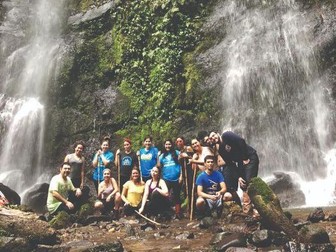
Suitable for 14-19-year olds (secondary and high schools, and college), this French language article and accompanying activity sheet can be used in the classroom and at home. This resource links to KS4 and KS5 French, health education and careers education. It can also be used as a careers resource and links to Gatsby Benchmarks: Gatsby Benchmark 2: Learning from career and labour market information Gatsby Benchmark 4: Linking curriculum learning to careers • This teaching resource explains the work of Dr Julia Lukewich, from Memorial University in Canada, and Professor Liz Halcomb, from the University of Wollongong in Australia, who are encouraging students to consider a career in primary care nursing. • This resource also contains interviews with Julia and Liz and offers an insight into careers in primary care nursing. If your students have questions for Julia and Liz, they can send them through the Futurum Careers website. • The activity sheet provides ‘talking points’ (based on Bloom’s Taxonomy) to prompt students to reflect on Julia and Liz’s research and challenges them to design an exhibit for a careers fair to promote careers in primary care nursing to their classmates. • The article and activity sheet are also available in English from the Futurum website. This resource was first published by Futurum Careers, a free online resource and magazine aimed at encouraging 14-19-year-olds worldwide to pursue careers in science, tech, engineering, maths, medicine (STEM) and social sciences, humanities and the arts for people and the economy (SHAPE). If you like these free resources, or have suggestions for improvements, please let us know and leave us some feedback. Thank you!
Electronics Engineering with Professor Peter GammonQuick View
Futurum_Careers

Electronics Engineering with Professor Peter Gammon

(0)
Suitable for 14 to 19-year-olds (secondary and high schools, and college), this careers podcast can be used in the classroom or shared with students online. This podcast links to KS4 and KS5 engineering and careers. It links to: Gatsby Benchmark 2: Learning from career and labour market information Gatsby Benchmark 4: Linking curriculum learning to careers • Professor Peter Gammon is an electronics engineer at the University of Warwick in the UK. In this episode of the Futurum Podcast, Peter provides insights into his education and career path, giving students thoughtful and encouraging advice. • The PowerPoint contains pre- and post-listening talking points and questions that enable students to break the podcast down and reflect on their own skills and aspirations. • The transcript is also available for accessibility. Please think before you print! This resource was first published on Futurum Careers, a free online resource and magazine aimed at encouraging 14-19-year-olds worldwide to pursue careers in science, tech, engineering, maths, medicine (STEM) and social sciences, humanities and the arts for people and the economy (SHAPE). If you like these free resources – or have suggestions for improvements –, please let us know and leave us some feedback. Thank you!

How should we interact with strangers on the bus?Quick View
Futurum_Careers

How should we interact with strangers on the bus?

(0)
Suitable for 14-19-year olds (secondary and high schools, and college), this article and accompanying activity sheet can be used in the classroom, STEM clubs and at home. This resource links to KS4 and KS5 psychology. It can also be used as a careers resource and links to Gatsby Benchmarks (UK): Gatsby Benchmark 2: Learning from career and labour market information Gatsby Benchmark 4: Linking curriculum learning to careers • This teaching resource explains the work of Dr Amy Hanser from The University of British Columbia in Canada. She is studying the unwritten rules that underly our social interactions on buses. • This resource also contains an interview with Amy and offers an insight into careers in sociology. If your students have questions for Amy, they can send them through the Futurum Careers website. • The activity sheet provides ‘talking points’ (based on Bloom’s Taxonomy) to prompt students to reflect on Amy’s research and challenges them to conduct a sociology experiment in their school or college. This resource was first published by Futurum Careers, a free online resource and magazine aimed at encouraging 14-19-year-olds worldwide to pursue careers in science, tech, engineering, maths, medicine (STEM) and social sciences, humanities and the arts for people and the economy (SHAPE). If you like these free resources, or have suggestions for improvements, please let us know and leave us some feedback. Thank you!
How do brain processes bias our decision-making?Quick View
Futurum_Careers

How do brain processes bias our decision-making?

(0)
Suitable for 14-19-year olds (secondary and high schools, and college), this article and accompanying activity sheet can be used in the classroom, STEM clubs and at home. This resource links to KS4 and KS5 psychology. It can also be used as a careers resource and links to Gatsby Benchmarks (UK): Gatsby Benchmark 2: Learning from career and labour market information Gatsby Benchmark 4: Linking curriculum learning to careers • This teaching resource explains the work of Professor Ralf Haefner from The University of Rochester in the US. He is investigating the relationship between perception and confirmation bias. • This resource also contains an interview with Ralf and offers an insight into careers in cognitive science. If your students have questions for Ralf, they can send them through the Futurum Careers website. • The activity sheet provides ‘talking points’ (based on Bloom’s Taxonomy) to prompt students to reflect on Ralf’s research and challenges them to learn about and reflect on their biases. This resource was first published by Futurum Careers, a free online resource and magazine aimed at encouraging 14-19-year-olds worldwide to pursue careers in science, tech, engineering, maths, medicine (STEM) and social sciences, humanities and the arts for people and the economy (SHAPE). If you like these free resources, or have suggestions for improvements, please let us know and leave us some feedback. Thank you!
Gerontology: Can lifestyle choices protect your brain as you age?Quick View
Futurum_Careers

Gerontology: Can lifestyle choices protect your brain as you age?

(0)
Suitable for 14-19-year olds (secondary and high schools, and college), this article and accompanying activity sheet can be used in the classroom, STEM clubs and at home. This resource links to KS4 and KS5 health and biology. It can also be used as a careers resource and links to Gatsby Benchmarks: Gatsby Benchmark 2: Learning from career and labour market information Gatsby Benchmark 4: Linking curriculum learning to careers • This teaching resource explains the work of Dr Tina Brinkley, a gerontologist at Wake Forest University School of Medicine. She is investigating how diet, exercise and social activity influence brain health as we age. • This resource also contains an interview with Tina and offers an insight into careers in gerontology. If your students have questions for Tina, they can send them through the Futurum Careers website. • The activity sheet provides ‘talking points’ (based on Bloom’s Taxonomy) to prompt students to reflect on Tina’s research and challenges them to design a week-long brain boosting schedule containing activities to promote their brain health. • In the accompanying podcast, Tina discusses the importance of finding mentors to support you and explains how a career in gerontology will allow you to help people as they grow older. The accompanying podcast PowerPoint contains questions to encourage students to reflect on what she says. • The animation can be used as an engaging learning resource to showcase Tina’s career journey and research. • The PowerPoint reiterates the key points from the article, highlights career pathways in gerontology, and contains questions to encourage students to reflect on their own aspirations. • All resources are also available in Spanish (through TES or the Futurum website) This resource was first published by Futurum Careers, a free online resource and magazine aimed at encouraging 14-19-year-olds worldwide to pursue careers in science, tech, engineering, maths, medicine (STEM) and social sciences, humanities and the arts for people and the economy (SHAPE). If you like these free resources, or have suggestions for improvements, please let us know and leave us some feedback. Thank you!
Biology: Telomeres - the chromosome tips that stave off ageingQuick View
Futurum_Careers

Biology: Telomeres - the chromosome tips that stave off ageing

(1)
Suitable for 14-19-year olds (secondary and high schools, and college), this article and accompanying activity sheet can be used in the classroom, STEM clubs and at home. This resource links to KS4 and KS5 biology. It can also be used as a careers resource and links to Gatsby Benchmarks: Gatsby Benchmark 2: Learning from career and labour market information Gatsby Benchmark 4: Linking curriculum learning to careers • This teaching resource explains the work of Professor Julie Cooper, a molecular biologist at the University of Colorado Anschutz Medical Campus. She and her team are investigating the roles of telomeres in living organisms. • This resource also contains interviews with members of Julie’s lab. If your students have questions for the team, they can send them through the Futurum Careers website. • The activity sheet provides ‘talking points’ (based on Bloom’s Taxonomy) to prompt students to reflect on Julie’s research and challenges them to create a poster to explore the function of telomeres. This resource was first published by Futurum Careers, a free online resource and magazine aimed at encouraging 14-19-year-olds worldwide to pursue careers in science, tech, engineering, maths, medicine (STEM) and social sciences, humanities and the arts for people and the economy (SHAPE). If you like these free resources, or have suggestions for improvements, please let us know and leave us some feedback. Thank you!
KS4 & KS5 Biology: Targeting senescent cells to promote healthy ageingQuick View
Futurum_Careers

KS4 & KS5 Biology: Targeting senescent cells to promote healthy ageing

(0)
Suitable for 14-19-year olds (secondary and high schools, and college), this article and accompanying activity sheet can be used in the classroom, STEM clubs and at home. This resource links to KS4 and KS5/Grade 9-10 and Grade 11-12 Biology. It can also be used as a careers resource and links to Gatsby Benchmarks (UK): Gatsby Benchmark 2: Learning from career and labour market information Gatsby Benchmark 4: Linking curriculum learning to careers • This teaching resource explains the work of Dr Soňa Štemberková Hubáčková from the Institute for Clinical and Experimental Medicine in Czechia. She is developing senolytic compounds, drugs that can selectively remove senescent cells, reduce age-related damage and help people stay healthier for longer. • If your students have questions for Soňa, they can send them through the Futurum Careers website. This resource was first published by Futurum Careers, a free online resource and magazine aimed at encouraging 14-19-year-olds worldwide to pursue careers in science, tech, engineering, maths, medicine (STEM) and social sciences, humanities and the arts for people and the economy (SHAPE). If you like these free resources, or have suggestions for improvements, please let us know and leave us some feedback. Thank you!
Aider les enseignants en formation initiale à entamer leur carrière en toute sérénité mentaleQuick View
Futurum_Careers

Aider les enseignants en formation initiale à entamer leur carrière en toute sérénité mentale

(0)
A French language resource suitable for teacher training, continuing professional development and staff well-being. • Teaching is a highly rewarding but also highly challenging career. Ensuring that pre-service teachers avoid compassion fatigue and burnout, both through their own self-care and through accessing support resources, is the mission of HEARTcare. Dr Astrid Kendrick, of the University of Calgary in Canada, believes that the HEARTcare resources that she helped formulate can set pre-service teachers on the path to a truly rewarding teaching career. • The activity sheet provides an insight into Astrid’s career and questions from the HEARTcare framework to prompt self-reflection. • If you have a question for Astrid, go to the article using the Futurum link below and scroll to the bottom of the page. Astrid will reply. This resource was first published on Futurum Careers, a free online resource and magazine aimed at encouraging 14-19-year-olds worldwide to pursue careers in science, tech, engineering, maths, medicine (STEM) and social sciences, humanities and the arts for people and the economy (SHAPE). If you like these free resources – or have suggestions for improvements –, please let us know and leave us some feedback. Thank you!

Decolonising film festival researchQuick View
Futurum_Careers

Decolonising film festival research

(0)
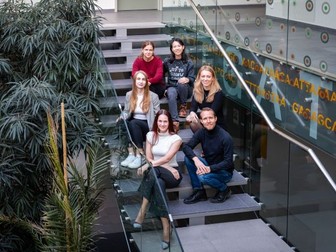
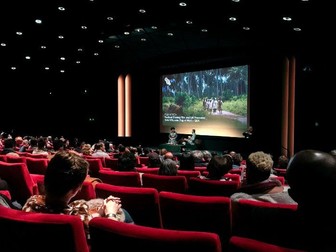
Suitable for 14-19-year olds (secondary and high schools, and college), this article and accompanying activity sheet can be used in the classroom, film clubs and at home. This resource links to KS4 and KS5 media studies. It can also be used as a careers resource and links to Gatsby Benchmarks: Gatsby Benchmark 2: Learning from career and labour market information Gatsby Benchmark 4: Linking curriculum learning to careers • This teaching resource explains the work of film researchers Professor Sheila Petty and Dr Estrella Sendra. They have developed a methodology to help remove the colonial influences from film festival research. • This resource also contains an interview with Sheila and Estrella and offers an insight into careers in film. If your students have questions for Sheila and Estrella, they can send them to them online. All they need to do is to go to the article online (see the Futurum link below), scroll down to the end and type in the question(s). Sheila and Estrella will reply! • The activity sheet provides ‘talking points’ (based on Bloom’s Taxonomy) to prompt students to reflect on Sheila and Estrella’s research and challenges them to make their own film and curate their own film festival. • The article and activity sheet are also available in French and Wolof through the weblink below. This resource was first published on Futurum Careers: https://futurumcareers.com/decolonising-film-festival-research This resource was first published on Futurum Careers, a free online resource and magazine aimed at encouraging 14-19-year-olds worldwide to pursue careers in science, tech, engineering, maths, medicine (STEM) and social sciences, humanities and the arts for people and the economy (SHAPE). If you like these free resources – or have suggestions for improvements –, please let us know and leave us some feedback. Thank you!

How do hurricanes impact forest ecosystems?Quick View
Futurum_Careers

How do hurricanes impact forest ecosystems?

(0)
Suitable for 14-19-year olds (secondary and high schools, and college), this article and accompanying activity sheet can be used in the classroom, STEM clubs and at home. This resource links to KS4 and KS5 biology and geography. It can also be used as a careers resource and links to Gatsby Benchmarks: Gatsby Benchmark 2: Learning from career and labour market information Gatsby Benchmark 4: Linking curriculum learning to careers • This teaching resource introduces the work of ecologists at the Luquillo Long Term Ecological Research Program in Puerto Rico. They are investigating how the forests of Puerto Rico respond to disturbances such as hurricanes, droughts and human activity. • This resource also contains interviews with team members and offers an insight into careers in ecology. If your students have questions for name, they can send them through the Futurum Careers website. • The activity sheet provides ‘talking points’ (based on Bloom’s Taxonomy) to prompt students to reflect on the team’s research and challenges them to analyse long term hydrology data from Luquillo to explore changes in rainfall and river flow rate. • The article and activity sheet are also available in Spanish from the Futurum website. This resource was first published by Futurum Careers, a free online resource and magazine aimed at encouraging 14-19-year-olds worldwide to pursue careers in science, tech, engineering, maths, medicine (STEM) and social sciences, humanities and the arts for people and the economy (SHAPE). If you like these free resources, or have suggestions for improvements, please let us know and leave us some feedback. Thank you!

¿Cuál es el impacto de los huracanes en los ecosistemas forestales?Quick View
Futurum_Careers

¿Cuál es el impacto de los huracanes en los ecosistemas forestales?

(0)
Suitable for 14-19-year olds (secondary and high schools, and college), this Spanish language article and accompanying activity sheet can be used in the classroom, STEM clubs and at home. This resource links to KS4 and KS5 Spanish, biology and geography. It can also be used as a careers resource and links to Gatsby Benchmarks: Gatsby Benchmark 2: Learning from career and labour market information Gatsby Benchmark 4: Linking curriculum learning to careers • This teaching resource introduces the work of ecologists at the Luquillo Long Term Ecological Research Program in Puerto Rico. They are investigating how the forests of Puerto Rico respond to disturbances such as hurricanes, droughts and human activity. • This resource also contains interviews with team members and offers an insight into careers in ecology. If your students have questions for name, they can send them through the Futurum Careers website. • The activity sheet provides ‘talking points’ (based on Bloom’s Taxonomy) to prompt students to reflect on the team’s research and challenges them to analyse long term hydrology data from Luquillo to explore changes in rainfall and river flow rate. • The article and activity sheet are also available in English from the Futurum website. This resource was first published by Futurum Careers, a free online resource and magazine aimed at encouraging 14-19-year-olds worldwide to pursue careers in science, tech, engineering, maths, medicine (STEM) and social sciences, humanities and the arts for people and the economy (SHAPE). If you like these free resources, or have suggestions for improvements, please let us know and leave us some feedback. Thank you!

Recherches sur la restauration des tourbières au Canada et sur leur pouvoir de stockageQuick View
Futurum_Careers

Recherches sur la restauration des tourbières au Canada et sur leur pouvoir de stockage

(0)
Suitable for 14-19-year olds (secondary and high schools, and college), this French language article and accompanying activity sheet can be used in the classroom and at home. This resource links to KS4 and KS5/Grade 9-10 and Grade 11-12 Geography and Biology. It can also be used as a careers resource and links to Gatsby Benchmarks (UK): Gatsby Benchmark 2: Learning from career and labour market information Gatsby Benchmark 4: Linking curriculum learning to careers • This teaching resource explains the work of Professor Maria Strack from the University of Waterloo in Canada. She is investigating how the disturbance and restoration of peatlands affects their ability to store carbon. • This resource also contains an interview with Maria, and offers an insight into careers in physical geography. If your students have questions for Maria, they can send them through the Futurum Careers website. • The activity sheet provides ‘talking points’ (based on Bloom’s Taxonomy) to prompt students to reflect on Maria’s research and challenges them to investigate how different types of peatland disturbance influence climate change. The article and activity sheet are also available in English from the Futurum website. This resource was first published by Futurum Careers, a free online resource and magazine aimed at encouraging 14-19-year-olds worldwide to pursue careers in science, tech, engineering, maths, medicine (STEM) and social sciences, humanities and the arts for people and the economy (SHAPE). If you like these free resources, or have suggestions for improvements, please let us know and leave us some feedback. Thank you!
Studying and restoring Canada’s peatlands and their carbon storage superpowerQuick View
Futurum_Careers

Studying and restoring Canada’s peatlands and their carbon storage superpower

(0)
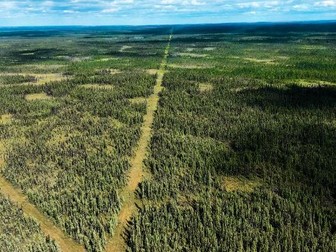
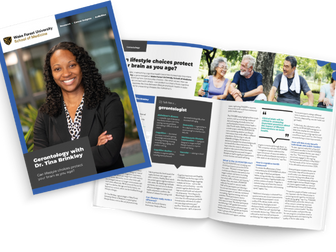
Suitable for 14-19-year olds (secondary and high schools, and college), this article and accompanying activity sheet can be used in the classroom, STEM clubs and at home. This resource links to KS4 and KS5/Grade 9-10 and Grade 11-12 Geography and Biology. It can also be used as a careers resource and links to Gatsby Benchmarks (UK): Gatsby Benchmark 2: Learning from career and labour market information Gatsby Benchmark 4: Linking curriculum learning to careers • This teaching resource explains the work of Professor Maria Strack from the University of Waterloo in Canada. She is investigating how the disturbance and restoration of peatlands affects their ability to store carbon. • This resource also contains an interview with Maria, and offers an insight into careers in physical geography. If your students have questions for Maria, they can send them through the Futurum Careers website. • The activity sheet provides ‘talking points’ (based on Bloom’s Taxonomy) to prompt students to reflect on Maria’s research and challenges them to investigate how different types of peatland disturbance influence climate change. The article and activity sheet are also available in French from the Futurum website. This resource was first published by Futurum Careers, a free online resource and magazine aimed at encouraging 14-19-year-olds worldwide to pursue careers in science, tech, engineering, maths, medicine (STEM) and social sciences, humanities and the arts for people and the economy (SHAPE). If you like these free resources, or have suggestions for improvements, please let us know and leave us some feedback. Thank you!