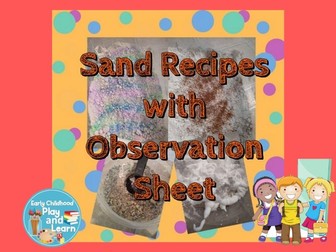
This is a collection of sand recipes that can be used in your sensory bin or sand and water table. Included are recipes for flour sand, sugar sand, glittery sand, scented sand, foam sand, and sand slime. Pictures are included. There is also a science observation sheet included. Allow children to observe the different sand, ask them questions, and record their observations.
Two pages of recipes, four pages of picture examples, and two pages of observation sheets are included.
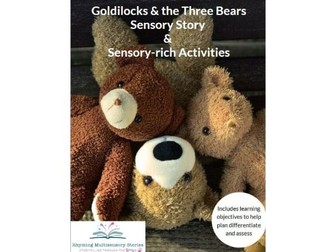
Join Goldilocks on her adventures with this fully resourced, step-by-step multisensory story.
A multisensory story is told using sensory stimuli (props).
The story props are low budget, everyday items found around the home, garden, outdoor areas and in the classroom.
This story includes themed, sensory extension activities that link to the EYFS Framework and areas of the KS1 National Curriculum making them the perfect resource for Special Education (aged 3-19) EYFS, Mainstream Primary, Speech & Language and EAL students.
What are the Benefits of Multisensory Storytelling?
Storytelling creates a bond between the storyteller and the story explorer enhancing and enriching experiences.
Rhyming Multisensory Stories connect the individual to literature, culture and topic in a fun and engaging way.
The stories form a base on which to scaffold learning enabling the student to work on personal goals and individual targets.
The activities in the stories are designed to promote communication skills: (eye contact, listening, shared attention & language development), self-confidence & well-being (trying out new ideas & skills, practicing self-care & independence and enjoying achievement), self-awareness: (asking for ‘help’, ‘again’ and ‘more’), present opportunities to explore cause & effect and build anticipation skills, promote physical development: (fine & gross motor skills), build knowledge about the environment & the world around us, to engage in scientific experimentation and mathematical concepts and to develop social & emotional skills: (turn-taking & sharing and teamwork).
The sensory stimuli (story props) are a tool for the story explorer to explore and express their likes, dislikes and sensory preferences and to have the opportunity to make choices.
This information can be used to identify motivators or items to calm and individual when anxious, tired or stressed, identify triggers, (some you may wish to avoid, others to work on building tolerance through desensitisation in a safe and therapeutic environment) and used in the writing of care plans to enhance areas daily life.
Table of contents:
Introduction
Story Props Checklist
How to Tell a Multisensory Story
Goldilocks & The Three Bears Fully Resourced, Step-by-Step Multisensory Story
Developing Comprehension & Understanding
Storyboard
Themed Listening Game
Themed Sensory Bag
Hard and Soft Themed Sensory Bin
Oat Bear Art
Raised Bear Salt Picture
The Three Bears Kitchen - Oat Milk Recipe
The Three Bears Bathroom - Oatmeal Facemask & Oat Bath
Teddy Bears Picnic
Let’s Explore…Bears!
Make a Bear Habitat
Bear Hugs
FAQ
Thank you for looking.
You questions, queries, comments and feedback are always welcome!
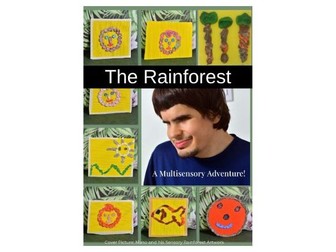
Join our explorer on their adventures as s/he explores the sights, sounds, smells, tastes, and textures of The Amazon Rainforest with this fully resourced, step-by-step multisensory story/teaching resource plus sensory, rainforest themed activities!
This is a very special resource as all the artwork has been contributed by autistic artists from Manaus in the Amazon Basin and other regions of Brazil.
TABLE OF CONTENTS
Introduction
Galeria Aut
Denise Teperine
The Benefits of Multisensory Storytelling
How to tell a Multisensory Story
Story Props/Resources Checklist
The Rainforest Full Story
The Rainforest Fully Resourced, Step-by-Step Multisensory Story
Rainforest Sensory Art
Henry Rosseau
Rainforest Leaves
‘Eterno Amor’
‘Amazonia’
‘Arvore da Vida’
‘Tribes of the Amazon’
The Sensory Rainforest
Rainforest Slime Recipe
Rainforest Sensory Mud Recipe
Rainforest Crafts
Rainforest Leaves Foil Embossed Greetings Card
Rainforest Leaves Wax Picture
D & T
Design a Rainforest Home
Leafcutters
Planet Earth
Rainforest in a Bottle
Starry Night in a Bottle
Snappy Caiman Counting Crocodiles
D & T Healthy Eating
The World Around Us
Planting Beans
Will it Grow?
Tree Seeds
Rainforest Products
Rainforest Compost
Growing Potatoes from Peelings
The World Around Us - Creatures of the Amazon
Creatures of the Amazon Through the Senses
Endangered Species
Animal Tracks
The Spider’s Larder
Rainforest PE
Rainforest Adventure Obstacle Course
Rainforest Science - The Role of the Rainforest
Oxygen
The Water Cycle
Make a Rain Guage
Erosion
Decay
Rainforest Science
The Power of the Sun Experiment
The Ice Caps Experiment
Water Pollution Experiment
Greenhouse Gas Experiment
Culture & Tradition - The Tribes of the Amazon
The Achuar Tribe
The Yanomami Tribe
The Huaorani Tribe
The Kayapo Tribe
The Mascho Piro Tribe
The Matses Tribe
Music
Make a Rainmaker
The Sounds of the Rainforest
Role Play
Can you Survive a Night in the Rainforest?
Just Landed!
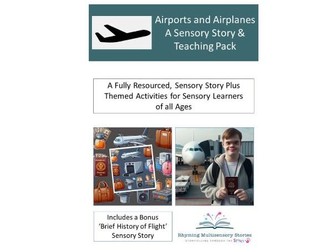
‘Airports and Airplanes’ Sensory Story and Sensory Rich Activities for Neurodiverse, Sensory, and PMLD Learners includes a fully resourced, step-by-step multisensory story, mini ‘Brief History of Flight’ sensory story plus themed, activities for sensory learners of all ages.
‘This is a story about travel, airports, and planes
Luggage, security, gates, and runways
The feelings on my senses, smell, hearing, touch, taste, sight
In the airport building, and when I’m on my flight’
Join our character as s/he experiences the sights, sounds, smells, tastes and textures of the airport from the check-in desk to landing!
TABLE OF CONTENTS
The benefits of multisensory storytelling
Story delivery ideas
Skills promoted in this teaching pack
How to tell a multisensory story
Use sound effects in sensory storytelling
Story props checklist
Airports and Airplanes a fully resourced, step-by-step multisensory story
Sunflower ice activity
Plasticine sunflowers
Pompom sunflowers
Sunflower head printing
Sensory paint
Seascapes and clouds
3D landscape
Airplane vapour trails art activity
Airplanes on the runway art activity
Cloud dough recipe
Chickpea cloud dough recipe
The sounds of the airport and airplane
The smells of the airport and airplane
The tastes of the airport and airplane
The textures of the airport and airplane
Flight sensory bag
Emotions
Life skills: pack a holiday suitcase
Role play
Re-create a virtual flight
The perfumery
‘A Brief history of Flying’ mini sensory story
Promoting literacy skills
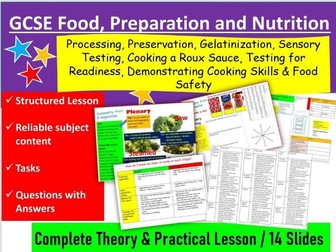
This is Lesson 3 in the SOW we follow for Year 7.
This lesson includes:
Do Now Task
Sensory Analysis of shop bought and homemade apple, berry and cinnamon crumble
Retrieval Practice questions
Homework task
Plenary - Exit Pass
Timers
Slide animations
Resources provided are all PDFs.
This lesson should last the whole hour and may go over depending on class abilities.
Please use your own recipe or you can purchase the recipe in Lesson 4.
Join the Gingerbread Man on his adventures with this fully resourced, step-by-step multisensory adventure!
This story includes themed, sensory extension activities that link to area of the curriculum making them the perfect resource for Special Education (aged 3-19) EYFS, mainstream Primary, Speech & Language and EAL students.
Table of Contents:
Story Props Checklist
How to Tell a Multisensory Story
The Gingerbread Man Fully Resourced, Rhyming Multisensory Story
Developing Understanding & Comprehension
Story Map
The Gingerbread Man Listening Game
The Gingerbread Man Sensory Bag
The Gingerbread Man Sensory Bin
Let’s Explore…Foxes
Ginger Food Tasting
Ginger Arts & Crafts
Salt Dough Gingerbread Man Decorations
Running Races
Gingerbread Man Hunt
How to Grow Ginger From a Root
Classic Gingerbread Man Recipe
Vegan Gingerbread Man Recipe
Sensory recipes that have an end product that could be taken home or sold at a school event. Could link to a health and hygiene topic for older pupils if desired. Four recipes are included - bath salts, bath bombs, home made soap and body scrub.
Celebrate the magic and colour of the festival of Holi with this fully resourced, step-by-step multisensory story.
A multisensory story is told using sensory stimuli (props).
The story props are low budget, everyday items found around the home, garden, outdoor areas and in the classroom.
This story includes themed, sensory extension activities that link to the EYFS Framework and areas of the KS1 National Curriculum making them the perfect resource for Special Education (aged 3-19) EYFS, Mainstream Primary, Speech & Language and EAL students.
What are the Benefits of Multisensory Storytelling?
Storytelling creates a bond between the storyteller and the story explorer enhancing and enriching experiences.
Rhyming Multisensory Stories connect the individual to literature, culture and topic in a fun and engaging way.
The stories form a base on which to scaffold learning enabling the student to work on personal goals and individual targets.
The activities in the stories are designed to promote communication skills: (eye contact, listening, shared attention & language development), self-confidence & well-being (trying out new ideas & skills, practicing self-care & independence and enjoying achievement), self-awareness: (asking for ‘help’, ‘again’ and ‘more’), present opportunities to explore cause & effect and build anticipation skills, promote physical development: (fine & gross motor skills), build knowledge about the environment & the world around us, to engage in scientific experimentation and mathematical concepts and to develop social & emotional skills: (turn-taking & sharing and teamwork).
The sensory stimuli (story props) are a tool for the story explorer to explore and express their likes, dislikes and sensory preferences and to have the opportunity to make choices.
This information can be used to identify motivators or items to calm and individual when anxious, tired or stressed, identify triggers, (some you may wish to avoid, others to work on building tolerance through desensitisation in a safe and therapeutic environment) and used in the writing of care plans to enhance areas daily life.
TABLE OF CONTENTS
Prepare to Celebrate (Gathering Story Props)
How to Tell a Multisensory Story
Holi Full Poem
Story Delivery Ideas
Holi- A Multisensory Exploration
Skills and areas of Learning Promoted During the Multisensory Storytelling Session
Holi Themed Sensory Bag
Holi Themed Sensory Pot Pourri Bag
Holi Themed Sensory Umbrella
Holi Themed Sensory Tent
Holi Themed Sensory Bin
Using Dyes and Food Colouring to Colour Sensory Bin Fillers
Holi Themed Listening Game
Indian Music
Sensory Paint
How to Make Powdered Chalk
Taste Safe Powder Paint
Balloon Splatter Art Activity
Primary Colour Mixing Ziplock Activity
Fi
Let’s Make…Holi Powder Paint
Jackson Pollock Themed Art
Scented Paint
Paint Bombs & Cinnamon Stick Painting
Paint Splatter Picture
Colour Sorting
Thandai Recipe
Holi Ideas & Inspiration
Q & A
Print and laminate this recipe to use in your sensory area for pancake day.
Includes a recipe card for making pancakes with the children.
Shopping list card for writing/mark making opportunities.
Numbers on pancakes.
This digital download includes 4 mud kitchen recipe cards for sensory play. These have been designed by an early years teacher to inspire children to explore the outdoors area and engage in truly imaginative, sensory play. Sensory play has many benefits for young children and can spark imagination, creativity and problem solving skills, to name a few.
There are 4 cards included in this set, sunshine smoothies, berry pancakes, best friend soup and leaf cupcakes. Use these in your outside mud kitchen to inspire your children to get creative and make the most of their outside space.
'One Christmas' is a sensory story about the excitement of Christmas Eve and joy on Christmas day. It comes with a resource list, recipe card and an information sheet explaining the benefits and how to use a sensory story. This is designed for children with SEN (PMLD, CLDD, SLD) and EYFS. This could make a great last week of term activity or why not laminate and send home to parents as holiday homework or an end of term gift.
You can also find this resource on our Facebook page:https://www.facebook.com/TheSensoryDispensary for sale including all resources £25.00 + post and packaging (£2.90). This would make a great Christmas gift for any Sensory Beings you support
Please read our Sensory Dispensary blog for further information: http://sensorydispensary.blogspot.co.uk/. We blog about about all things sensory for those with Profound and Multiple Learning Difficulties (PMLD) including: planning, resources, research, events, CPD, reviews and much more!
This set of 15 colourful recipe cards is perfect for early years play and learning.
Each card features a simple, step-by-step recipe with both ingredients and methods clearly laid out, making them easy for adults to follow and fun for children to enjoy.
These recipes are designed to encourage sensory play, creativity, and hands-on exploration, helping to build fine motor skills while sparking curiosity.
The 15 recipes included are:
Play Dough
No-Cook Play Dough
Gluten-Free Play Dough
Edible Play Dough (with a nut-free option)
Cloud Dough
Oobleck
Rainbow Rice
Soap Foam
Salt Dough
Magic Dough
Oat Dough
Rice Flour & Coconut Oil Dough
Rainbow Pasta
Cinnamon Dough
Papier-Mâché
These cards are bright, engaging, and perfect for nurseries, preschools, childminders, or parents looking for creative activities to enjoy with young children.
Please Note: Always check with parents or guardians regarding allergies, sensitivities, or dietary restrictions before using these recipes. Adult supervision is recommended for all activities. I hold no responsibility or accountability for any reactions, accidents, or outcomes that may occur during use.
Hashtags
#EarlyYears #SensoryPlay #PlayDough #CraftIdeas #MessyPlay #EarlyLearning #ChildcareIdeas #HomemadePlayDough #PreschoolActivities #EYFS
This teaching resource includes sensory extension activities linked to excerpts of Robert Burns Poems.
This story presents a wonderful opportunity to connect individuals to literature, Scottish culture and the exploration of the rhyme and rhythm in poetry.
A multisensory story is told using sensory stimuli (props).
The story props are low budget, everyday items found around the home, garden, outdoor areas and in the classroom.
This story includes themed, sensory extension activities that link to the EYFS Framework and areas of the KS1 National Curriculum making them the perfect resource for Special Education (aged 3-19) EYFS, Mainstream Primary, Speech & Language and EAL students.
What are the Benefits of Multisensory Storytelling?
Storytelling creates a bond between the storyteller and the story explorer enhancing and enriching experiences.
Rhyming Multisensory Stories connect the individual to literature, culture and topic in a fun and engaging way.
The stories form a base on which to scaffold learning enabling the student to work on personal goals and individual targets.
The activities in the stories are designed to promote communication skills: (eye contact, listening, shared attention & language development), self-confidence & well-being (trying out new ideas & skills, practicing self-care & independence and enjoying achievement), self-awareness: (asking for ‘help’, ‘again’ and ‘more’), present opportunities to explore cause & effect and build anticipation skills, promote physical development: (fine & gross motor skills), build knowledge about the environment & the world around us, to engage in scientific experimentation and mathematical concepts and to develop social & emotional skills: (turn-taking & sharing and teamwork).
The sensory stimuli (story props) are a tool for the story explorer to explore and express their likes, dislikes and sensory preferences and to have the opportunity to make choices.
This information can be used to identify motivators or items to calm and individual when anxious, tired or stressed, identify triggers, (some you may wish to avoid, others to work on building tolerance through desensitisation in a safe and therapeutic environment) and used in the writing of care plans to enhance areas daily life.
Burns Night Table of Contents
Introduction
How to tell a Multisensory Story
Story Props Checklist
Burns Night Full Poem
Burns Night Fully Resourced, Multisensory Poem
‘Bessie and her Spinning Wheel’
‘To a Mouse’ Sensory Bin
‘Winter’
‘One Night as I did Wander’
‘The Whistle’
‘Lines on the Fall of Fyres’
‘Ye Flowery Banks’
‘The Dusty Miller’
Burns Supper Invitation
Burns Supper Mud Kitchen (Including Burns Supper Recipes)
Scotland Sensory Flag
Scottish Dancer Craft Activity
Vegetarian Haggis Recipe
Burns Night Sensory Ideas & Inspiration
FAQ
Your questions, queries, comments and feedback are always welcome!
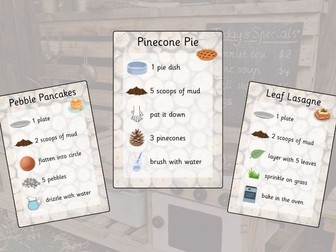
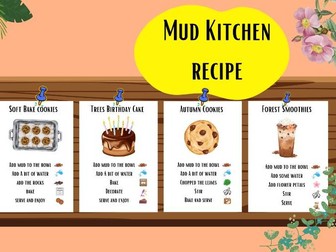
Engage children in imaginative play and hands-on learning with these fun Mud Kitchen Recipe cards. Designed for outdoor use, they encourage creativity while supporting key EYFS skills such as recognisng phonemes, blending, identifying numerals, counting quantities, and following simple instructions.
I’ve used these laminated in my outdoor mud kitchen - they’re a fantastic way to promote language development, teamwork, and early maths skills through play.
Ideal for continuous provision, Forest School, or outdoor learning areas. Easy to set up, versatile, and perfect for sparking curiosity and communication during messy, sensory play!
A mud kitchen recipe is a playful and imaginative activity for young children in an early years setting. It encourages sensory exploration, creativity, and role-playing. In a mud kitchen, children use natural materials such as mud, sand, water, and leaves, along with various tools and utensils, to “cook” or create pretend dishes.
Here is mud kitchen recipe for you
Join the celebrations with this fully resourced, step-by-step multisensory exploration of St Patrick’s Day.
A multisensory story is told using sensory stimuli (props).
The story props are low budget, everyday items found around the home, garden, outdoor areas and in the classroom.
This story includes themed, sensory extension activities that link to the EYFS Framework and areas of the KS1 National Curriculum making them the perfect resource for Special Education (aged 3-19) EYFS, Mainstream Primary, Speech & Language and EAL students.
What are the Benefits of Multisensory Storytelling?
Storytelling creates a bond between the storyteller and the story explorer enhancing and enriching experiences.
Rhyming Multisensory Stories connect the individual to literature, culture and topic in a fun and engaging way.
The stories form a base on which to scaffold learning enabling the student to work on personal goals and individual targets.
The activities in the stories are designed to promote communication skills: (eye contact, listening, shared attention & language development), self-confidence & well-being (trying out new ideas & skills, practicing self-care & independence and enjoying achievement), self-awareness: (asking for ‘help’, ‘again’ and ‘more’), present opportunities to explore cause & effect and build anticipation skills, promote physical development: (fine & gross motor skills), build knowledge about the environment & the world around us, to engage in scientific experimentation and mathematical concepts and to develop social & emotional skills: (turn-taking & sharing and teamwork).
The sensory stimuli (story props) are a tool for the story explorer to explore and express their likes, dislikes and sensory preferences and to have the opportunity to make choices.
This information can be used to identify motivators or items to calm and individual when anxious, tired or stressed, identify triggers, (some you may wish to avoid, others to work on building tolerance through desensitisation in a safe and therapeutic environment) and used in the writing of care plans to enhance areas daily life.
Table of Contents
Prepare to Celebrate (Gathering Story Props)
How to Tell a Multisensory Story
St Patrick’s Day Poem
St Patrick’s Day- A Multisensory Exploration
Developing Comprehension & Understanding
Story Map
St Patrick’s Day Listening Game
St Patrick’s Day Sensory Bag
St Patrick’s Day Sensory Bin
Leprechaun Food
Sensory Art
Sensory Stuffed Sock Snakes
Bubble Snakes
The Leprechaun’s Science Lab - Magic Coins
Soda Bread Recipe
Interesting Facts
Ideas & Inspiration
Q & A
Get in Touch!
Other Titles in this Series
Your questions, queries, comments and feedback are always welcome!
Thanks for looking:)