Science Museum Adventure: Find and Explore!Quick View
NatalieA

Science Museum Adventure: Find and Explore!

(0)
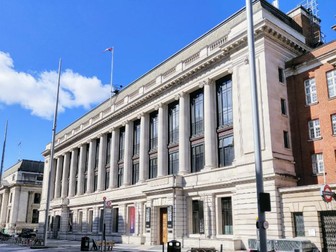
This activity sheet turns a visit to the Science Museum in London into an exciting treasure hunt with a flying theme. Pupils use the checklist to find items in the photos and answer questions about what they see, encouraging observation, discussion, and engagement with science exhibits. The activity helps develop research, critical thinking, and scientific vocabulary while making a museum visit interactive and fun. It’s perfect for linking hands-on learning with topics about flight, forces, and aerodynamics.
Animal Adjectives: Expanded Noun PhrasesQuick View
NatalieA

Animal Adjectives: Expanded Noun Phrases

(0)
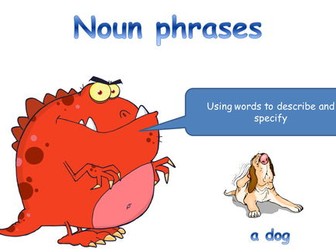
This KS1 activity sheet helps pupils practice using expanded noun phrases while exploring animals. Learners start by drawing an animal, then generate a list of descriptive adjectives to describe it. Finally, they use these adjectives to write expanded noun phrases, combining words to make their writing more detailed and engaging. The activity develops vocabulary, descriptive writing, and sentence-building skills in a fun, creative way, making it ideal for English lessons focused on grammar and descriptive writing.
Label a VolcanoQuick View
NatalieA

Label a Volcano

(0)
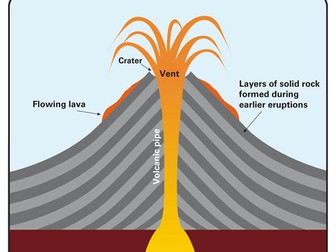
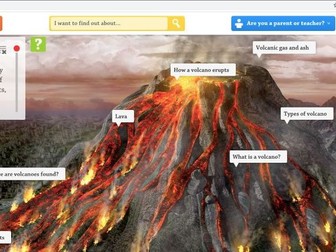
This KS1 activity sheet helps pupils label the parts of a volcano using a provided word bank. Learners practice identifying key features, such as the crater, lava, and magma, while developing their scientific vocabulary and understanding of volcano structure. The activity is ideal for reinforcing knowledge in a fun, visual way and can be used as part of a science topic on volcanoes or as a supporting resource for research and writing activities.
Volcano Facts: Research and WriteQuick View
NatalieA

Volcano Facts: Research and Write

(0)
This KS1 resource supports pupils in researching and writing about volcanoes. Learners are guided to gather key information and present it clearly using bullet points. The activity encourages informative writing, helping children to identify important facts and organise their ideas in a structured way. With clear success criteria, this resource develops research skills, note-taking, and confidence in presenting factual information, making it ideal for science or topic lessons about the Earth and natural phenomena.
Rhymes to Keep Our Planet TidyQuick View
NatalieA

Rhymes to Keep Our Planet Tidy

(0)
This KS1 activity encourages children to write a closed-procedure rhyming poem with the theme of keeping our planet tidy. Pupils follow a simple structure to create their own rhyming lines, helping them focus on word choice, rhythm, and sequencing while reinforcing an important environmental message. The activity can be linked to the book Michael Recycle, allowing pupils to draw inspiration from the story while practicing their creative writing and literacy skills. It’s ideal for developing confidence in poetry, rhyming, and expressing ideas about caring for the environment.
Be an Eco-Hero: Persuasive WritingQuick View
NatalieA

Be an Eco-Hero: Persuasive Writing

(0)
This resource helps pupils develop persuasive writing skills with a focus on looking after the environment. Learners are guided to write a convincing letter by expressing their own opinion about an environmental issue, providing a supporting fact, and finishing with a strong final statement. The activity is structured with clear success criteria, making it accessible for young writers while encouraging reasoning, structured writing, and awareness of environmental responsibility. Perfect for English lessons that combine literacy and sustainability, this resource inspires pupils to communicate their ideas effectively while thinking about ways to care for the planet.
Understanding Gravity and UpthrustQuick View
NatalieA

Understanding Gravity and Upthrust

(0)
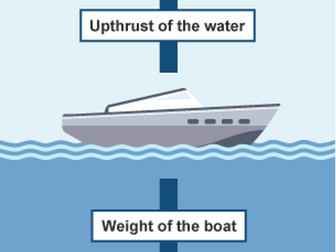
An extension worksheet to help pupils understand that boats float because of a pushing force from the water called upthrust. As understanding develops, children are supported to explain how two forces — gravity pulling objects down and upthrust pushing them up — work together to help objects float.
Floating and Sinking: Forces in ActionQuick View
NatalieA

Floating and Sinking: Forces in Action

(0)
This KS1 science worksheet helps children explore why objects float on water by introducing the idea of forces. Pupils begin by testing a range of materials and observe whether they float or sink. They then design a simple boat that can float, encouraging creativity and hands-on thinking.
Everyday Materials: Identification and UsesQuick View
NatalieA

Everyday Materials: Identification and Uses

(0)
This resource supports pupils in identifying and exploring a range of everyday materials. Learners are guided to recognise different materials found in familiar objects and to suggest which materials common items are made from. Through discussion and practical examples, pupils explain the uses of at least three different materials and begin to understand why certain materials are chosen for specific purposes. The activities encourage observation, reasoning, and the use of appropriate scientific vocabulary, making this resource ideal for developing early materials knowledge in science lessons.
KS1 Maths: Place Value, Addition and SubtractionQuick View
NatalieA

KS1 Maths: Place Value, Addition and Subtraction

(0)
A KS1 Maths presentation containing two lessons in one. The first lesson focuses on place value, helping pupils recognise the value of each digit in a two-digit number, identifying tens and ones. Pupils are supported in understanding how numbers are built and what each digit represents. In the second lesson, pupils develop their understanding of addition and subtraction with one- and two-digit numbers. They are encouraged to use related number facts to support their calculations and improve fluency. The lesson also includes opportunities to solve word problems, helping pupils apply their mathematical skills to real-life contexts. Ideal for whole-class teaching, revision, or structured maths lessons in KS1.
Reduce, Reuse, Recycle: Looking After Our PlanetQuick View
NatalieA

Reduce, Reuse, Recycle: Looking After Our Planet

(0)
A teaching resource focused on the themes of Reduce, Reuse, Recycle, designed to help pupils understand how they can look after our planet. The resource encourages discussion about everyday actions that support environmental care and sustainability. Pupils then apply their learning by creating a poster to encourage others to make environmentally friendly choices. An extension task is included to challenge pupils further and deepen their understanding. Suitable for use across PSHE, Geography, or cross-curricular lessons.
Bonfire Night ArtQuick View
NatalieA

Bonfire Night Art

(0)
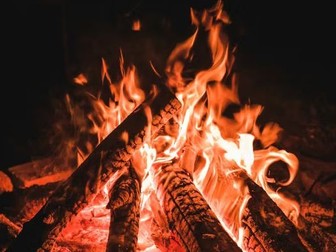
A ready-to-use KS1 Art presentation exploring the theme of Autumn Changes. This resource introduces pupils to the visual signs of autumn, including changes in colour, weather, and nature, helping them observe and discuss seasonal differences. It also includes a brief, age-appropriate history of Bonfire Night, explaining why it is celebrated in a simple and engaging way. The presentation is supported by a linked art activity, allowing children to respond creatively to what they have learned through drawing, painting, or collage inspired by autumn and Bonfire Night themes. Suitable for use as a lesson starter or full art session.