TOURISMQuick View
omereonye

TOURISM

(0)
This slide covers the topic tourism(CIE,Edexcel,AQA,OCR) GCSE curriculum. The lesson objectives include: Define the term tourism Explain the reasons for the global increase in world tourism Examine the Butler model:its strengths and limitations. Explain the advantages & disadvantages of tourism. Explain the concept of ecotourism Examine a detail example of tourism in a LIC,MIC and HIC.
INDUSRTYQuick View
omereonye

INDUSRTY

(0)
This slide covers the topic industry for students taking GCSE (CIE,Edexcel,OCR or AQA). It covers the following subtopics: Define the term industry. List and explain the types of industries. Explain the concept of industry as a system. Explain factors that affect the location of industries Explain the concept of employment structure in a country. Explain the changing employment structures in LIC,MIC & HIC. Examine the importance of industries. Examine the case studies involving location of industries and manufacturing industries
Changing Employment StucturesQuick View
omereonye

Changing Employment Stuctures

(0)
The slide is for GCSE edexcel,AQA and CIE examinations and it covers the following subtitles: Define the term employment structure. Explain the types of employment structure with examples. Examine the case study of employment structure in an HIC,MIC and LIC.
Changing Coastal EnvironmentsQuick View
omereonye

Changing Coastal Environments

(0)
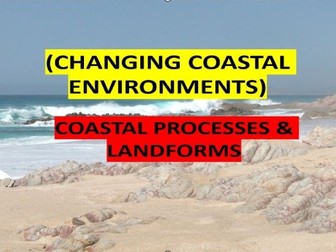
At the end of the lesson, students are expected to Examine the concept of waves, types & importance Explain the four processes caused by coastal erosion. Name and explain coastal features created by erosion Explain how a coast is being shaped Explain the coastal features created by deposition Explain how a beach is formed Describe the coastal management techniques Explain the importance of coasts to man. Examine a detail example coastal erosion management in Miama(USA) Examine the concept of tropical storm, definition, formation impacts and a detail example.
Changing PopulationsQuick View
omereonye

Changing Populations

(0)
This slide covers the reviewed syllabus for IGCSE Geography on the topic Changing populations. Lesson Objectives: Describing populations grow and decline Explaining the patterns and trends in global population growth. Explaining the reasons for the growth and decline of a country’s population: fertility rate, birth rate, death rate, natural increase, migration. Evaluating the of the impacts of pro-natalist and anti-natalist policies on birth rates. Explaining the demographic transition model (DTM) and its strengths and limitations. Explaining the factors influencing population structures: natural increase and net migration. explaining the causes and impacts of youthful and ageing population structures, and an evaluation of their impacts. One detailed specific example of a named country.
Coral ReefQuick View
omereonye

Coral Reef

(0)
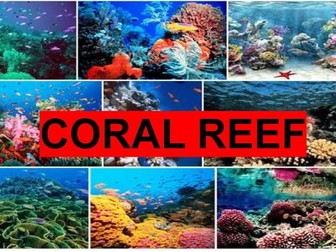
The slide examines the topic coral reef. Lesson objectives: definition of coral reef. examine the location/distribution of coral reef in the world. discuss the conditions needed for the existence of coral reef in the world. explain the threats to the world coral reef. examine ways of protecting the world’s coral reef. examine a detail specific example(case study) of coral reef in the world.ie Great barrier reef of Australia .
Introduction to GeographyQuick View
omereonye

Introduction to Geography

(0)
This slide serves as a introduction to year 7 geography students to the subject. It aids having clearer picture about the subject, with the following learning objectives: Define the term geography. Examine the themes of geography. Examine the branches of geography. Explain the importance of geography
Changing river environments (River Processes & Landforms)Quick View
omereonye

Changing river environments (River Processes & Landforms)

(0)
Draw and describe the hydrological cycle Define the term drainage basin Describe the Bradshaw model. Understand the different types of erosion, transportation and deposition in a river Know and understand the different features of the upper, middle and lower course of a river Define the term flooding and examine detail specific example of flooding in an HIC & LIC Explain flood and river management techniques. Examine the concept of river pollution, causes,impacts,solutions & detail specific example.
EARTHQUAKESQuick View
omereonye

EARTHQUAKES

(0)
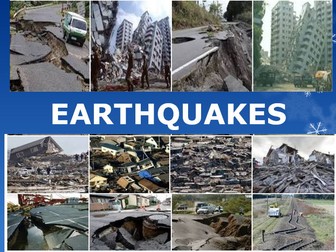
At the end of the lesson the students should be able to : (i) Define the term earthquakes (ii) Explain the causes of earthquakes (iii) Give examples of earthquakes (iv) Explain the effects and impacts of earthquakes (v) Examine the case study on an earthquake in an LEDC and MEDC (vi) What causes a tsunami?
MIGRATIONQuick View
omereonye

MIGRATION

(0)
Lesson Objectives At the end of the lesson,students should be able to: Define the term migration *Name the types of migration *Explain factors affecting migration Explain the concept of migration using the case study international migration from Mexico to USA
Structure of the earth & Plates TectonicsQuick View
omereonye

Structure of the earth & Plates Tectonics

(0)
At the end of the lesson, students should be able to: Draw and describe the internal structure of the earth. Describe the concept of tectonic plates. Define the term plates boundary. Describe the types of plates movement.
SETTLEMENTQuick View
omereonye

SETTLEMENT

(0)
Lesson Objectives At the end of the lesson the students will be able to: (i) Define the term settlement. (ii) Explain the classification of settlement based on location, shape, function and hierarchy. (iii) Explain the conditions for siting a settlement. (iv) Examine a case study relating to settlement location
WORLD POPULATION DYNAMICSQuick View
omereonye

WORLD POPULATION DYNAMICS

(0)
Lesson Objectives At the end of the lesson the student should be able to: Define the term population and explain population related concepts. Mention some world population facts. Explain factors Affecting Distribution and Density of Population. Explain the concept of population growth and how it affects people. Describe population structure and population pyramid. Analyse the demographic transition model(DTM) Explain world population change in MEDCs and LEDCs.
Map skills & InterpretationQuick View
omereonye

Map skills & Interpretation

(0)
Learning Objectives: At the end of the lesson the students should be able to: (i) Define the term map. (ii) Differentiate between types of maps. (iii) Identify and explain the parts of a map. (iv) Explain the importance of maps. (v) Determine the direction and bearing on maps. (vi) Calculate the distances on maps. (vii) Determine four & six grid references on maps. (viii) Methods of representing Relief on maps. (ix) Identify common landforms/relief on maps. (x) Identify types of slopes on maps. (xi) Calculate gradient on maps. (xii) Determine cross profile on maps. (xiii) Identify and interpret,relief,drainage,settlement and communication patterns on maps. (xiv) Interpret types of land use on maps.