 Quick View
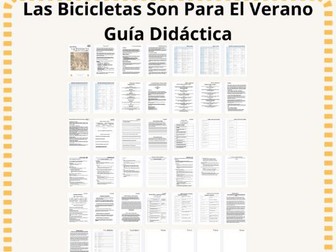
Las Bicicletas Son Para El Verano Guía didáctica A level Study guide 42page pdf
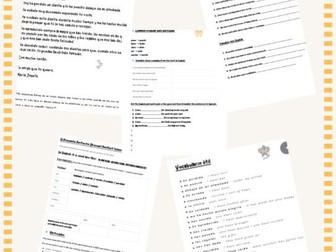
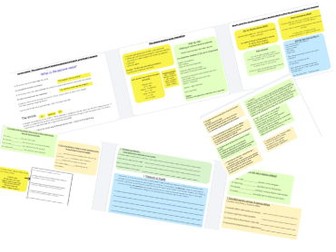
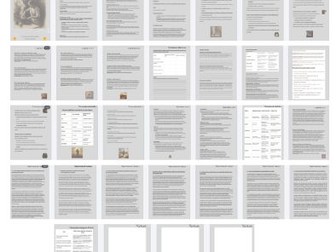
A complete A‑Level study guide for Las bicicletas son para el verano, designed to support students across all exam boards. This resource offers clear explanations, structured analysis and accessible notes to help learners understand the historical context, key themes, characters and dramatic techniques in Fernando Fernán Gómez’s play. Includes detailed scene summaries, essay‑planning ideas, vocabulary support and classroom‑ready activities that build confidence for exams. Ideal for teachers who want a high‑quality, curriculum‑aligned resource that strengthens literary analysis, cultural knowledge and independent study skills.
Guía didáctica completa para Las bicicletas son para el verano, creada para estudiantes de A‑Level y válida para todos los exam boards. El recurso ofrece explicaciones claras, análisis estructurado y materiales accesibles para comprender el contexto histórico, los temas principales, los personajes y las técnicas dramáticas de Fernando Fernán Gómez. Incluye resúmenes detallados de los cuadros, ideas para ensayos, apoyo de vocabulario y actividades listas para usar en clase. Perfecto para docentes que buscan un recurso de alta calidad, alineado con el currículo, que refuerce el análisis literario, el conocimiento cultural y las habilidades de estudio independiente…
Las bicicletas son para el verano
A Level Spanish
A Level literature
Spanish Civil War
Fernando Fernán Gómez
Spanish play study guide
Spanish drama analysis
A Level set text
Spanish cultural context
Spanish themes and characters
Scene summaries Spanish
Essay planning Spanish
Spanish revision resource
Spanish teaching materials
Spanish literature notes
Spanish exam preparation
Spanish vocabulary support
Spanish classroom activities
Spanish independent study
Spanish KS5 resource