 Quick View
Cold War Starter Booklet GCSE
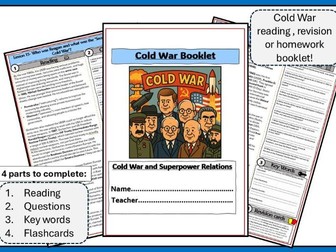
Edexcel GCSE (9–1) Superpower Relations and the Cold War Starter & Retrieval Booklet
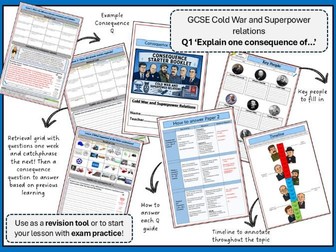
This Edexcel GCSE (9–1) Superpower Relations and the Cold War booklet is designed to be used as a starter activity, retrieval practice resource or revision booklet throughout the topic.
At the beginning of each lesson, students complete a retrieval grid. These alternate weekly between retrieval questions and symbol/catchphrase-style activities, where students must work out the key word, person or event represented by the symbols.
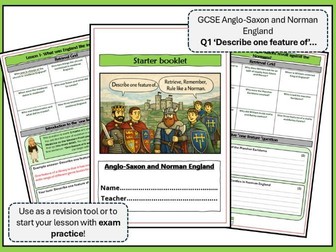
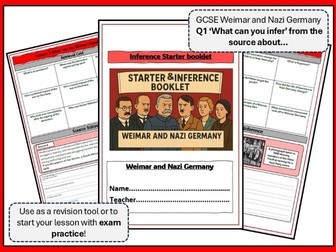
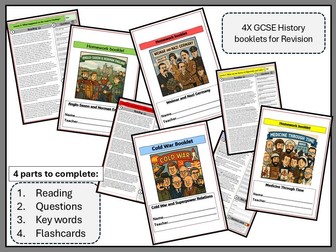
The retrieval grids include 16 questions in total, with four questions from each GCSE topic: Weimar and Nazi Germany, Medicine Through Time, Superpower Relations and the Cold War, and Anglo-Saxon and Norman England. These can be easily edited and adapted to match the topics taught in your school.
Each lesson also includes an ‘Explain one consequence of…’ exam question based on previous Cold War learning. This means students are continually practising exam-style questions and, by the end of the topic, will have built up a large bank of completed consequence questions to use for revision.
The booklet also includes:
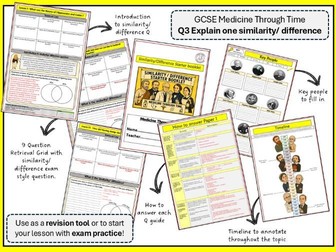
A Cold War timeline for students to annotate throughout the topic, helping them develop a secure understanding of chronology.
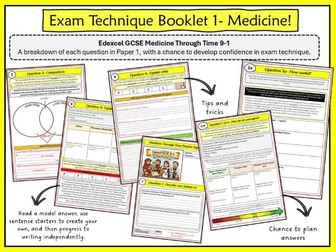
A step-by-step guide to answering each Edexcel Cold War exam question, supporting students with their exam technique.
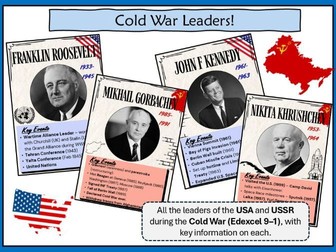
A key people section for students to complete throughout the topic, helping them connect important leaders and individuals to the events they study.
Regular retrieval practice from across the GCSE History course, helping students revisit previously taught content.
The resource is provided as an editable PowerPoint, making it simple to change questions, topics or activities to suit your own classes.
Superpower Relations and the Cold War can be a challenging topic for students, particularly because of the number of events, leaders, crises and changing relationships they need to remember. This booklet gives students regular opportunities to retrieve key knowledge, improve their chronological understanding, practise exam questions and build confidence with the first 8 marks of the Edexcel exam.
A brilliant resource for lesson starters, retrieval practice, revision and ongoing exam preparation throughout the Cold War topic.