Unit 2.1: DemandQuick View
thebrooksuk

Unit 2.1: Demand

(0)
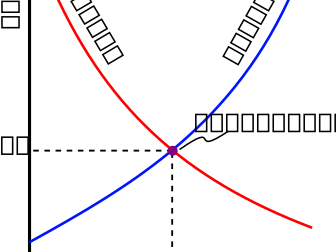
This interactive group activity simulates real-world demand shifts through the use of market-specific data and external shocks. Students explore how non-price determinants affect demand by constructing and adjusting demand diagrams based on realistic market scenarios. Designed for IBDP Economics Unit 2, the activity promotes collaboration, application of theory, and critical evaluation of consumer behaviour in varied economic contexts. This resource includes: Complete teacher instructions Structured simulation in three stages Peer interaction and feedback cycle Classwide debrief and real-world linking Cross-reference to three accompanying documents: Markets and Products Market Conditions External Shocks Students should have read the relevant chapter before undertaking these activities
Unit 2.2: SupplyQuick View
thebrooksuk

Unit 2.2: Supply

(0)
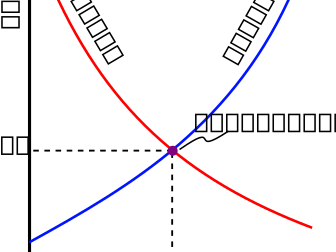
This engaging group-based lesson deepens student understanding of the law of supply, the shape and shifts of the supply curve, and the role of non-price determinants. Students explore real-world supply scenarios, collaborate in small teams, present diagram-supported findings to peers, and consolidate their understanding through reflective analysis. Ideal for IBDP Economics Unit 2.2, this resource promotes: Accurate diagram drawing Real-world application of supply theory Peer-led presentations and questioning Use of economic language in verbal explanation Includes: Complete teacher guide Scenario-based supply shifts activity Peer presentation and feedback structure Consolidation and reflection prompts Students should have read the relevant chapter before undertaking these activities
Scarcity, Choice & Opportunity Cost: Dialysis Machine Ethical Dilemma (Free Starter Activity)Quick View
thebrooksuk

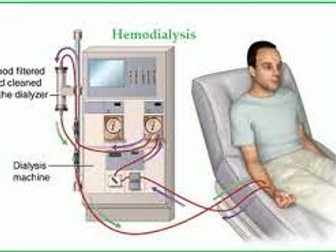
Scarcity, Choice & Opportunity Cost: Dialysis Machine Ethical Dilemma (Free Starter Activity)

(0)
This engaging, discussion-based activity introduces students to key economic concepts including scarcity, choice, and opportunity cost. Framed around a life-and-death decision in a hospital with limited dialysis machine hours, students are challenged to allocate scarce resources among multiple patients, each with their own story and needs. Perfect for MYP, GCSE, A-Level, or IBDP Economics, this resource can be used as a starter, ethical debate, or introductory lesson on resource allocation. Includes: Clear student instructions 11 patient profiles with treatment requirements Discussion questions to prompt analysis and reflection Encourages critical thinking, collaboration, and ethical reasoning—ideal for building curiosity about economics from the very first lesson.
Factors of ProductionQuick View
thebrooksuk

Factors of Production

(0)
This engaging, student-led activity introduces the Factors of Production—land, labour, capital, and entrepreneurship—through the foundational economic concepts of scarcity, choice, and opportunity cost. Designed for early IBDP Economics learners, this resource combines real-world case studies, critical thinking, and creative application to help students move beyond definitions and understand how economic decisions are made in practice. The resource includes: A structured student worksheet with clear definitions and guided notes Four real-world production scenarios for analysis and decision-making A card sort activity linking factors of production to different forms of scarcity A creative planning task where students allocate limited resources to a new product or business idea A concise exit ticket task with model responses included Ideal for first-year IBDP students, advanced MYP learners, or as a review of fundamental microeconomic concepts. This resource supports inquiry, collaboration, and real-world economic thinking—ready to print and teach.
Using PPC student activitiesQuick View
thebrooksuk

Using PPC student activities

(0)
Scarcity, Choice & Opportunity Cost: Student Activity Using the PPC (IBDP Economics – Unit 1) This engaging, student-led activity introduces key economic concepts through the lens of the production possibility diagram. Aligned with IBDP Economics Unit 1, it allows students to explore scarcity, choice, and opportunity cost using real-world scenarios, diagram interpretation, and applied decision-making. The resource includes: A clear, ready-to-use lesson plan A structured student worksheet with diagram-based tasks Cut-and-paste PPC scenario cards for interactive matching A concise exit ticket (mini-assessment) with model responses Designed for early DP students, this resource promotes critical thinking, classroom discussion, and visual learning. It’s ideal for both classroom delivery and independent work, and fully adaptable for online or printed use. No additional prep required – ready to teach.
Positive vs Normative Economics: IBDP Unit 1Quick View
thebrooksuk

Positive vs Normative Economics: IBDP Unit 1

(0)
This student-led activity introduces the key distinction between positive and normative economic statements—an essential concept in IBDP Economics Unit 1. Students will learn how to identify objective, testable claims versus value-laden judgements, then apply their understanding through critical thinking, sorting exercises, and short writing tasks. Includes: A structured student worksheet with definitions and guided examples Statement sorting task (cut and sort or match) A writing challenge: students create and evaluate their own statements A concise exit task for formative assessment Model answers with explanations Perfect for early DP students, MYP learners moving into economics, or as a reinforcement task for mid-course review.
The Origins of Economic ThoughtQuick View
thebrooksuk

The Origins of Economic Thought

(0)
This engaging resource introduces students to the historical roots of economic thinking, tracing how key economic ideas evolved in response to real-world challenges such as scarcity, trade, industrialisation, and inequality. Through guided reading, timeline-building, and role-based analysis, students will explore how early thinkers shaped the way we understand resource allocation, value, and policy. Includes: Overview of key economists and historical context Student timeline activity with matching task Introductory reading + thinker cards (Smith, Marx, Keynes, etc.) Group analysis and class discussion prompts Creative task: If you were an economist in 1776… Ideal for setting the stage before tackling core microeconomic and macroeconomic models. Fully student-led and adaptable for classroom or independent use.