A Powerpoint discussing the effective use of Cold-Calling as an AfL strategy.
Examples, adaptations and potential hurdles.
A good CPD Powerpoint for staff.
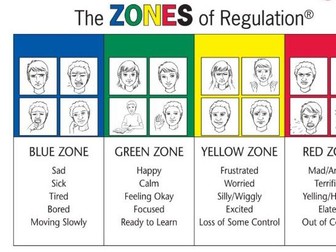
Zones of Regulation Power point for staff or children.
Explains the meanings, process, language, and the personalisation of the Zones.
Examples of how to use it in school and classes.
An overview and video about Cognitive Load Theory
An overview of Working Memory
Long-term v Short Term Memory
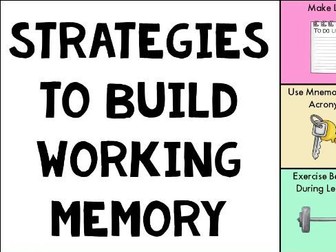
A host of strategies to support increasing/improving Working Memory especially with SEN
Powerpoint for CPD
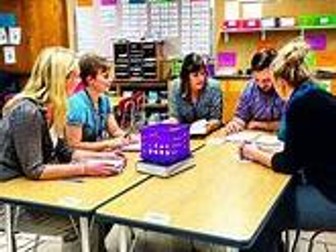
The importance of team meetings and the ability to use them as coaching sessions to share best practice across school.
Key threads to maximise learning: Expectations; Aim for a stronger core; Self Esteem; Ambitious Goals; Weaving a fabric of knowledge; Engaging; Responsiveness; Exercises; Scaffold high
Discusses Learning Walks, ethos and behaviour support, teaching and learning check in, accountability/compliance focused, getting the right spirit, doing a learning walk.
To support monitoring.
A Powerpoint to highlight the problems with green-penning in the classroom. Hightlighting the potential long-term problems.
Explains the good intentions, but potential not supporting the child.
Gives alternative approaches.
Good for staff CPD.
Whole - School Science Curriculum: Knowledge progression EYFS - Y6; Skills Progression EYFS - Y6; Deep Dive Leader Questions; Pupil Voice Questions; Big Question Strands; Curriculum Map
Perfect for a new science leader or a leader wanting to implement a new science curriculum.
Pre and Post Learning Tasks
Consolidation, Mastery and Greater Depth Tasks
Oral Starters
Overview of Year
Weekly Structure Strands
Curriculum Objectives Week by Week
Pre and Post Learning Tasks
Consolidation, Mastery and Greater Depth Tasks
Oral Starters
Overview of Year
Weekly Structure Strands
Curriculum Objectives Week by Week
Passed NPQSL completed Assessment 2018/19
Gained a high pass mark.
Will remove names and numbers, but this is a great example of what is required in the different sections.
Pre and Post Learning Tasks
Consolidation, Mastery and Greater Depth Tasks
Oral Starters
Overview of Year
Weekly Structure Strands
Curriculum Objectives Week by Week
Pre and Post Learning Tasks
Consolidation, Mastery and Greater Depth Tasks
Oral Starters
Overview of Year
Weekly Structure Strands
Curriculum Objectives Week by Week
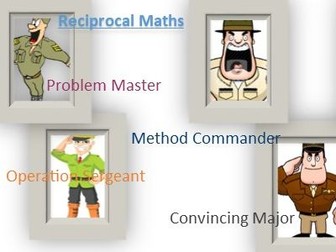
The Resource contains 5 aspects/characters that can be adapted or changed to suit your school setting. Perfect for Maths Worded Problem or Problem Solving Word which requires numerous steps to find the answer.
There is a picture of each character on the card ( these can be adapted to suit). Each character has a job. The job is written on the card to remind the children. There are prompts on each card to remind the children of the role.
The characters work in sequence, complete their job and this supports character two, which supports character three until by character 5, the answer should be complete.
Jobs/Characters ( I themed it around the army and dogs)
Character 1 Problem Master reads the problem/question and highlights the important information - everybody in the group then agrees/disagrees and they underline.
Character 2 Operation Sargeant decides on the operation/s needed for the task. Discusses with group and they all decide and then move forward
Character 3 Method Commander choose which method is best to work out the calculation. They know the operation, but which method is best.
Character 4 Convincing Major asks all of the group to work out the calculation using the methods and operations dicussed. When finished they check the answers. Normally children have different answers, so they work together to justify, prove and explain until they come to the correct answer.
Character 5 Resolution General focusses on answering the question. What is the actually question and have we answered it?
The 5 roles then get rotated for the next day or week. Eventually every child will be used to the roles, methods, strategies and will be able to work on this independently and take it to worded problems without the need for 4 or 5 others in the group. This promotes collaboration, teamwork, understanding, checking answers, working on methods and finally independence.
Pre and Post Learning Tasks
Consolidation, Mastery and Greater Depth Tasks
Oral Starters
Overview of Year
Weekly Structure Strands
Curriculum Objectives Week by Week
 Quick View

 Quick View
 Quick View
 Quick View
 Quick View
 Quick View
 Quick View
 Quick View
 Quick View
 Quick View
 Quick View
 Quick View
 Quick View
 Quick View
 Quick View
 Quick View
 Quick View