Oxford AQA iGCSE Animal and Plant CellsQuick View
yousefshah77

Oxford AQA iGCSE Animal and Plant Cells

(0)
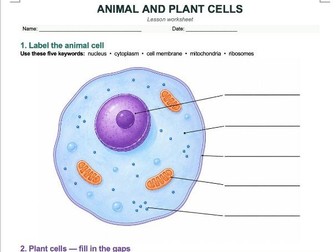
Animal & Plant Cells — Complete Lesson (AQA Oxford International iGCSE Biology) A ready-to-teach, fully-resourced lesson on animal and plant cells, built for AQA International GCSE Biology. Everything for a full 50–60 minute lesson is included — no extra prep needed. Just open the PowerPoint, hand out the worksheet, and teach. What’s included 24-slide PowerPoint (fully editable) Accompanying student worksheet (Word, editable) with a word bank for support Answers and teaching prompts in the speaker notes What it covers Animal cell structures and their functions (nucleus, cytoplasm, cell membrane, mitochondria, ribosomes) The three additional plant cell structures (cellulose cell wall, chloroplasts, permanent vacuole) Comparing animal and plant cells using biological evidence Lesson structure Starter with self-assessment “What does a cell need to survive?” discussion hook Three clear learning objectives, each with a ✓ checkpoint Mini-whiteboard assessment-for-learning activities Worksheet tasks built into the flow (label, fill-the-gaps, retrieval, apply) GCSE-style written comparison task with a model answer “Mystery cell” application task Exit ticket with acceptable-answer self-check Built-in differentiation Challenge and Stretch tasks on nearly every slide, plus a misconception alert and sentence starters to support lower-attaining students. Format Editable PowerPoint and Word files. Slide timings are included as a guide — adjust to fit your class. Cell diagrams are included on the slides and worksheet. Ideal for non-specialists covering biology, ECTs, or anyone wanting a polished, low-prep lesson that’s ready to go.
Eukaryotes & Prokaryotes | Oxford AQA iGCSEQuick View
yousefshah77

Eukaryotes & Prokaryotes | Oxford AQA iGCSE

(0)
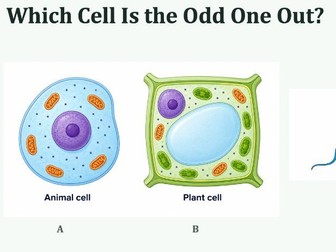
Complete, ready-to-teach lesson on eukaryotic and prokaryotic cells for AQA International GCSE Biology. 24 editable slides with built-in differentiation, AfL and model answers. WHAT’S INCLUDED 24-slide PowerPoint (fully editable) Answers and teaching prompts in the speaker notes Designed for book-based tasks (label, compare, apply) WHAT IT COVERS The structures of a bacterial (prokaryotic) cell and their functions Comparing prokaryotic and eukaryotic cells (nucleus, DNA, organelles, size, plasmids) Classifying an unfamiliar cell as prokaryotic or eukaryotic using evidence LESSON STRUCTURE Diagnostic starter with self-assessment (recaps animal & plant cells) “Odd one out” discussion hook Three clear learning objectives, each with a ✓ checkpoint Two mini-whiteboard assessment-for-learning rounds “Bacterial cell detective” investigation and labelling task Prokaryotic vs eukaryotic comparison table with a mixed answer bank “Are bacteria useful or harmful?” wider-understanding slide 4-mark exam-style “mystery cell” question with a model answer and mark guidance BUILT-IN DIFFERENTIATION Challenge and Stretch tasks on nearly every slide, plus early-finisher extensions and sentence starters for support. FORMAT Editable PowerPoint. Slide timings are included as a guide. Works as a standalone lesson or as a follow-on to Animal & Plant Cells.
A-Level Biology Mitosis LessonQuick View
yousefshah77

A-Level Biology Mitosis Lesson

(0)
Starter with answers (questions on cell cycle) -Information hunt activity for the different stages of mitosis (answers given) -Exam question with answers Plenary questions with answers -Worksheet done end of the information hunt (matching statements with words) Made in line with OCR A-Level Biology