Biological Molecules PowerPoint Presentation for IGCSE/GCSE Biology CambridgeQuick View
mateja_maricic1

Biological Molecules PowerPoint Presentation for IGCSE/GCSE Biology Cambridge

(0)
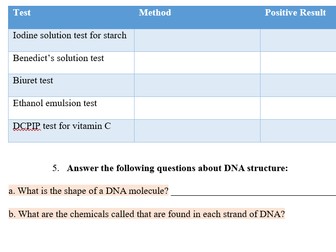
Unlock the wonders of biological molecules with this comprehensive PowerPoint presentation designed specifically for IGCSE/GCSE Cambridge students! With 38 engaging slides, this resource covers essential learning objectives that lay a solid foundation in understanding carbohydrates, fats, proteins, and nucleic acids. Learning Objectives: Chemical Composition: Identify the chemical elements that constitute carbohydrates, fats, and proteins. Molecular Structure: Understand that large biological molecules are synthesized from smaller units: (a) Starch, glycogen, and cellulose from glucose (b) Proteins from amino acids © Fats and oils from fatty acids and glycerol Testing for Biological Molecules: Describe the usage of various tests for identifying macromolecules: (a) Iodine solution test for starch (b) Benedict’s solution test for reducing sugars © Biuret test for proteins (d) Ethanol emulsion test for fats and oils (e) DCPIP test for vitamin C DNA Structure: Explore the structure of DNA, covering: (a) The double helix formation (b) The role of bases in each strand © The pairing of bases (A with T, C with G) Key Features: Practice Questions: Each section includes practice questions to reinforce understanding and test students’ knowledge, with detailed answers provided for self-assessment. Additional Details: In-depth information on the structure and classification of carbohydrates, proteins, and lipids is included for students who wish to delve deeper into these topics. Learning Goals: This presentation also aligns with global sustainability and health initiatives: Goal 2: Zero Hunger - Understanding nutrients supports awareness of balanced diets essential for food security and reducing malnutrition. Goal 3: Good Health and Well-being - Learning about essential nutrients enables students to make informed dietary choices, helping to prevent lifestyle-related diseases. Goal 4: Quality Education - This hands-on resource empowers students with practical skills and knowledge, fostering lifelong health literacy. Encourage your students to think critically about nutrition and health in a global context! This PowerPoint is perfect for classroom instruction, remote learning, or as a supplementary resource for students. Transform your biology lessons today!
Experiment: Atmospheric Pressure GCSEQuick View
mateja_maricic1

Experiment: Atmospheric Pressure GCSE

(0)
Are you looking for an engaging way to teach your students about atmospheric pressure? Look no further! This Atmospheric Pressure Experiment Worksheet is designed to captivate your students while enhancing their understanding of scientific concepts. Learning Objectives: Understand the concept of atmospheric pressure. Experiment with creating a seal between two plastic hemispheres. Develop prediction and analysis skills through hands-on inquiry. What’s Included: Step-by-Step Experiment Instructions: Clear and concise guidance for students to explore the principles of atmospheric pressure using common materials. Reflection Questions: Thought-provoking questions that encourage critical thinking and reinforce learning. Answer Key: Detailed answers to help you assess student understanding. Scoring Rubric: A handy rubric for easy grading and feedback. Materials Needed: Two plastic hemispheres Rubber seal Syringe Two tubes One-way valve Two metal rings Why This Experiment? This experiment is perfect for students at the IGCSE and GCSE levels, aligning with Cambridge science standards. It encourages collaboration, critical thinking, and a hands-on approach to learning. Plus, it’s a fantastic way to spark curiosity in your classroom! How to Use: Set Up the Experiment: Students will follow the provided instructions to create a vacuum between the hemispheres. Make Predictions: Encourage students to predict whether they can separate the hemispheres after removing air. Analyze Results: Students will reflect on their predictions, explore the concepts of pressure, and discuss their findings. Transform Your Classroom: Invest in your students’ learning and make science fun! This atmospheric pressure experiment worksheet is ready to inspire curiosity and foster a deeper understanding of scientific principles. Download Your Copy Today! Don’t miss out on this engaging resource! Click the link to purchase the Atmospheric Pressure Experiment Worksheet and bring science to life in your classroom. Your students will love it!
Mind map: nutrientsQuick View
mateja_maricic1

Mind map: nutrients

(0)
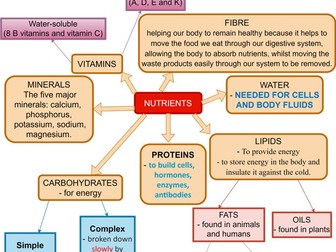
I made mind map for nutrients and their functions. Included nutrients are: carbohydrates, proteins, lipids, vitamins, minerals, water and fibre.