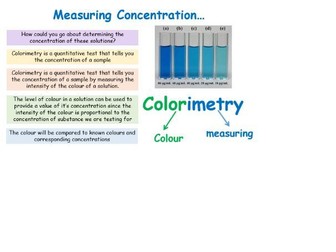
Lesson 13 for BTEC Level 3 Applied Science Unit 2 Aim A (Titrations and Colorimetry). This lesson includes; how a colorimeter works and how to carry out a serial dilution. It also covers how to use a colorimeter and an overview of the Beer-Lambert Law
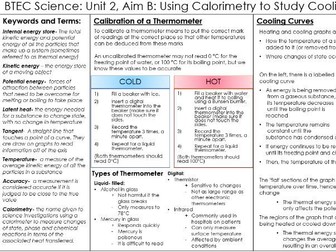
BTEC Level 3 Applied Science Unit 2 Aim B - Calorimetry. This is lesson 4 about to calibrate thermometers and use a calibration curve to correct readings
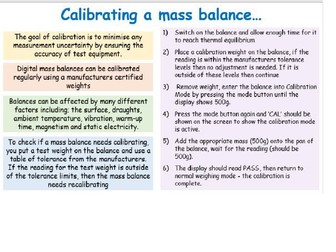
Lesson 2 in Aim A of Unit 2 BTEC L3 applied science (Titration and Colorimetry) This includes desnity calculation practise, how to calibrate a mass balance, how to calibrate a volumetric pipette and the difference between a graduated and volumetric pipette.
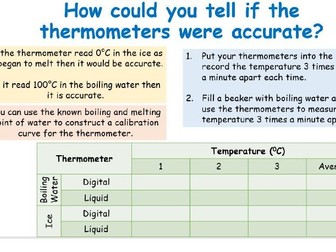
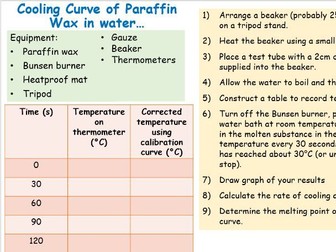
BTEC Applied Science Level 3 Aim B - Calorimetry. This is lesson 5 about how to create a cooling curve of Paraffin wax after first calibrating thermometers.
Level 3 BTEC Applied Science Unit 9 Human regulation and reproduction, Aim C: Understand the role of hormones in regulation and control of the human reproductive systems. Lesson 1: The Male Reproductive System
This lesson includes a brief introduction to this aim as well as covering the names and functions of the parts of the human reproductive system with a whiteboard AfL task. Also touches of normal/abnormal sperm morphology.
Level 3 BTEC Applied Science Unit 9 Human regulation and reproduction, Aim C: Understand the role of hormones in regulation and control of the human reproductive systems. Lesson 2: Male Reproductive Processes
This lesson covers the process of spermatogensis and includes an AfL task and a task based on reading a research paper
Level 3 BTEC Applied Science Unit 9 Human regulation and reproduction, Aim C: Understand the role of hormones in regulation and control of the human reproductive systems. Lesson 6: Infertility
This lesson gives a brief overview of causes of infertility and then has a comprehension task using a paper on anti-sperm antibodies to target scientific literacy and provide guided reading of scientific papers so they are comfortable finding, reading and using them when writing coursework
Level 3 BTEC Applied Science Unit 9 Human regulation and reproduction, Aim C: Understand the role of hormones in regulation and control of the human reproductive systems. Lesson 5: Conception
This is a research-based lesson that needs laptops. it consists of 2 halves. The 1st half, the teacher gives an overview of the stages needed for conception to occur and tests their current understanding with an AfL task.
The second half, they begin to work on the coursework section to do with conception - in particular, drawing an informative diagram to aid explanation
The second half could be set as a HL to save curiculuum time
Level 3 BTEC Applied Science Unit 9 Human regulation and reproduction, Aim C: Understand the role of hormones in regulation and control of the human reproductive systems. Lesson 4: Female Reproductive Processes (The Menstrual Cycle)
Level 3 BTEC Applied Science Unit 9 Human regulation and reproduction, Aim C: Understand the role of hormones in regulation and control of the human reproductive systems. Lesson 3: The Female Reproductive System
Whole Unit including knowledge organiser for Level 3 Applied Science BTEC Unit 9 Aim C: Understanding the role of hormones in regulation and control of human reproduction
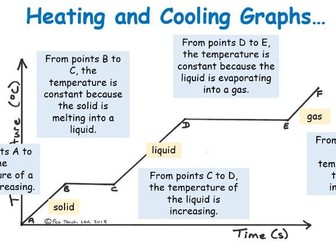
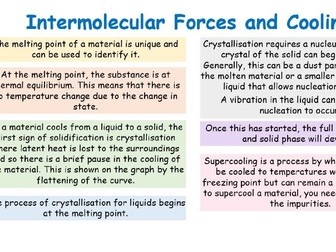
Level 3 Applied Science BTEC Unit 2 - Calorimetry. This is lesson 3. It contains how to analyse the cooling curves produced in the previous lesson as well as explanations of cooling using intermolecular forces
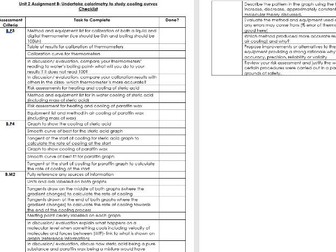
This contains practical skills feedback sheets for Aim B (Calorimetry and Cooling Curves) of Unit 2 BTEC L3 applied science. They have been based upon the structure of the PAG feedback sheets. There is space for both the student to self-assess their practical and write up skills and for the teacher to comment.
This is lesson 4 of Aim C (Chromatography) of Unit 2 BTEC L3 applied science. It contains a practical where the students extract plant pigments from plants (we recommend grass) and run 3 TLCs using different solvents. The students should be able to compare the chromatograms and conclude which is the best solvent to use and why. This lesson also contains a practical skills feedback sheet with spaces for both the students to self-evaluate the practical and write up and space for the teacher to leave feedback for the student.
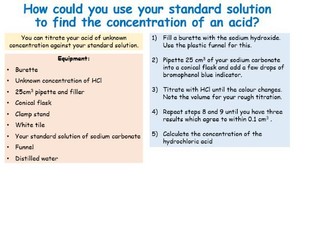
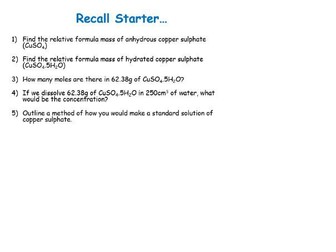
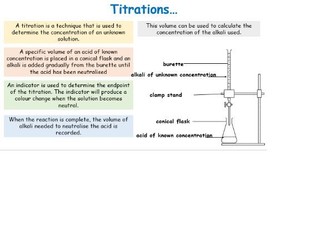
Lesson 11 for BTEC Level 3 Applied Science Unit 2 Aim A (Titrations and Colorimetry). This lesson includes how you would use a standard solution of sodium carbonate (made in last lesson) in a titration to find the concentration of an unknown acid. It also includes a slide about the possible sources of error in making standard solutions to use in titrations.
Lesson 14 for BTEC Level 3 Applied Science Unit 2 Aim A (Titrations and Colorimetry). This lesson includes the method for how to use colorimetry to determine an unknown concentration of copper sulphate. It also includes a slide on the sources of error in colorimetry