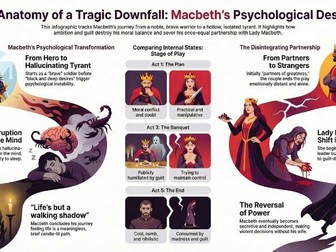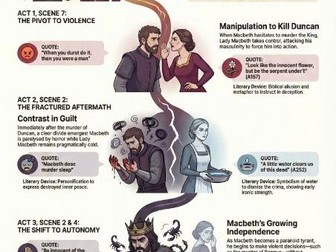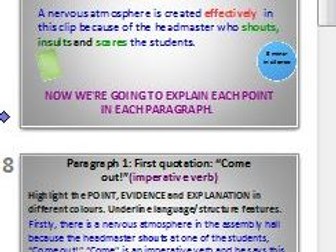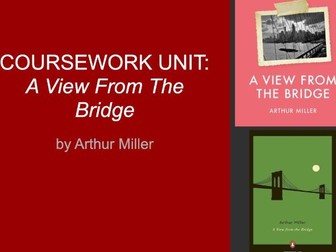
An entertaining/humorous summary of background, context, chapter, character, theme and language analysis. 30 page long in docx format-available to be adapted to classroom use.
These slides contain extracts for different text types in the MYP Language Acquisiton programme. Language and structure devices are presented as part of the coventions of the texts and opportunties to analyse extracts are given to students along with a few sample questions and a template for students to use while practising this skill. These slides and resources can be integrated into different units or used as a whole separate unit.
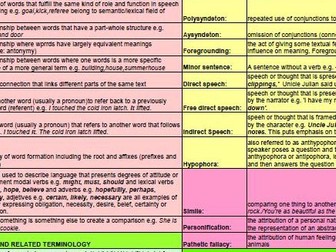
This resources has been made based on the introdutory Stylistics book by Cambridge and Literary Devices Dictionary by Oxford. It is perfect for A-Level students and amazing for challenging your YEar 11s/10s.
A brief introduction to what trauma is and the right attitude towards trauma in order to help children and adolescents realise their true potentials and lead happy lives based on the book, The Body Keeps The Score by Bassel Van der Kolk.
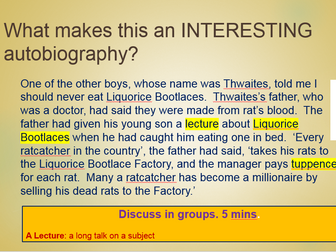
This is a whole lesson with differentiated tasks including support and challenge as well as differentiated worksheets and homework. Great for Year 7 studying Boy by Roald Dahl or just any Year 7 learning to write an essay.
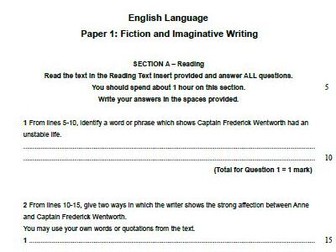
A great resources for revising/preparting your GCSE classes for Edexcel ENglish Language Paper 1. Extract and 4 questions included with a glossary and writing space. Perfect for mocks!
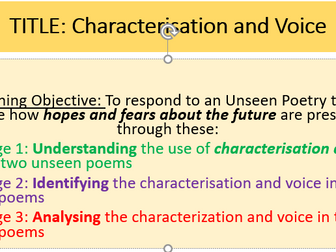
This is a lesson on how to develop a response to a an unseen poetry task in Edexcel GCSE English Poetry Paper.
Students discuss charaterisation and voice through own experience and listen to performances of the two poems to compare them, after which they read and analyse the poem in groups to produce a paragraph. Every task is differentiated and has challenge tasks. THe poems are accompanied with a glossary and images.
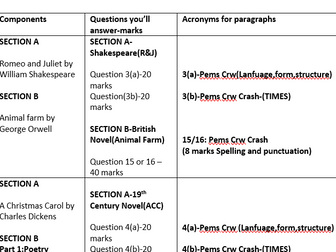
THIS TABLE IS PERFECT FOR REVISION CLASSES but could also be used with Year 10s.
Each section of the exam is presented with their timings, the number of questions, marks required and acronyms and mnemonics to remember for each section.
Tips e.g. to include both language and structure in some questions are presented all together in this one-sheet table, which your students can simply stick on the back of their books as reference any time they are confused as to how many marks the questions get or how long they should spend.
This 20-minute lesson plan,with instructions for the exercises, can help your students learn to practise breathing and focusing for a calmer attitude to learning.