 Quick View
The Goblin and the Tailor Spooky Readers' Theatre Script & Rubric
Included in the Goblin and the Tailor Readers’ Theatre Lesson:
6 page script
3 characters
1-3 narrators
Student Success Criteria page
Student Friendly Goals page
Teacher’s Reader’s Theatre Checklist
The Goblin and the Tailor synopsis:
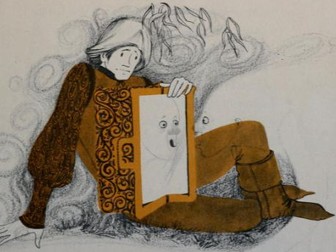
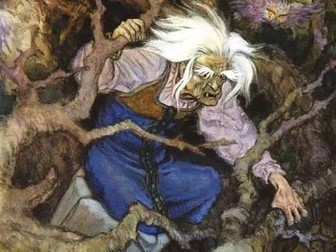
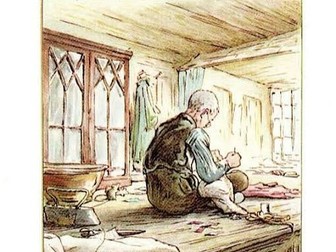
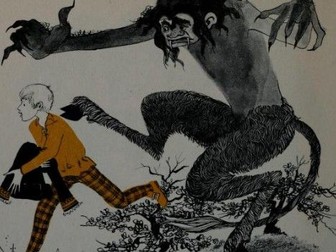
Jack the tailor has been trained by his father to be the best tailor in Scotland. One day, rich landowner Macdonald enters Jack’s shop. He asks Jack to thread a jacket for him, with one stipulation: he has to thread the jacket in the haunted graveyard on the hill. If Jack succeeds, then he will be rewarded with a bag of gold coins. Jack is trepidatious since it is rumoured that goblins and monsters prowl the graveyard at night, but the promise of a bag full of coins enhances his courage. Jack travels to the graveyard at night and begins hearing voices and sounds. Will Jack survive the night or will he run away in fright? Find out in The Goblin and the Tailor readers’ theatre script!
Do not fear the reader’s theater format. Students love these adapted stories because they are listening to the story and they are a part of the story by playing a character within the story.
Reader’s theatre inspires reluctant readers to join in the fun. The strongest and most advanced readers in your class will encourage other students to raise their hand and participate in the story. I also use reader’s theatre to add to my drama marks.
I hope you, and your students have a spooky good time reading The Goblin and the Tailor and continue to do so for many years.
Excelsior!
Mr. Marvel: The King of Reader’s Theatre