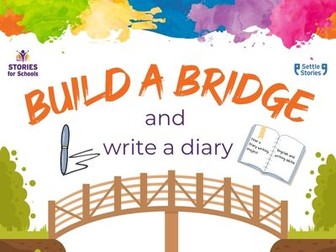
The ‘Build a Bridge’ project has been prepared to follow the Year 6 national curriculum objectives for Design and Technology.
It is a 6-lesson block of work which includes the lesson plans, lesson presentations, video and task resources.
Objectives:
To use research to develop my own design.
To use research to create my own design.
To use my design to create my product.
To investigate the effectiveness of our product.
To evaluate my ideas and product against my own design criteria.
All resources provided follow the national curriculum with subject specific learning objects and the learning intention is very clear.
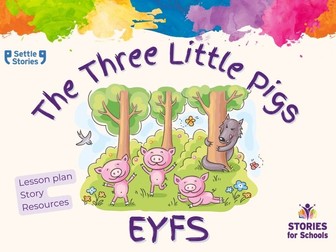
The Three Little Pigs – an EYFS resource pack. A complete lesson plan with clear objectives and printable resources including story sequencing, matching, character description and more – perfect for a main activity or to enhance your continuous provision.
Learning Objectives:
• To demonstrate understanding of what has been read to them by retelling a story in their own words.
• To demonstrate understanding of what has been read to them selecting appropriate describing words.
• To safely use and explore a variety of materials, experimenting with colour and design.
Printable resources for:
Story Sequencing
House Description
Wolf Description
Design Work
Story Matching
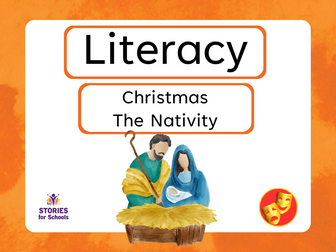
Christmas is a huge celebration acknowledged by most schools in the UK. This year, we have chosen three separate topics. EYFS will look at the traditional Christian ‘Nativity’ story.
The resource for each phase is a single lesson with a lesson plan, PPT and worksheet to accompany a live event that will allow the children to learn a little more about the celebrations happening around Christmas time.
The PPT structures the lesson, and the worksheets complement the Nativity story. This is a fully resourced lesson leaving nothing to be done other than print.
This bundle is the perfect project for after SATs week for Year 6.
Both ‘Build a Bridge’ project and the ‘Diary Writing’ project uses the Ribblehead Viaduct as a cross-curricular link. Your children will learn about bridge structure, design and construct their own bridge and then research the life of a navvy to create a diary extract of their own.
The ‘Build a Bridge’ project has been prepared to follow the Year 6 national curriculum objectives for Design and Technology.
A 6-lesson block of work including the lesson plan, PowerPoints (PPT’s), a video and task resources.
All resources provided follow the national curriculum with subject specific learning objects and the learning intention is very clear. As well as this, we’ve decided to make it a challenge for the children, so we’re launching a competition.
The competition is optional (but lots of fun), and it will be judged by one of the engineers who worked on the Ribblehead Viaduct.
The ‘Diary Writing’ project has also been prepared to follow the Year 6 national curriculum objectives for writing.
Using the Ribblehead Viaduct video as a hook in, your Year 6 children will learn about life as a navvy working on the viaduct during the Victorian era. They will research Victorian life; then, they will learn how to write a diary entry as a navvy.
In this 10 lesson unit, the children will research life back then to gain perspective; look at the features of diary writing, practice using compound and complex sentences and they will finally write and re-draft a diary entry.
The diary entry model is pitched at Year 6 EXS level. All success criteria are linked to the Y6 teacher assessment framework for writing.
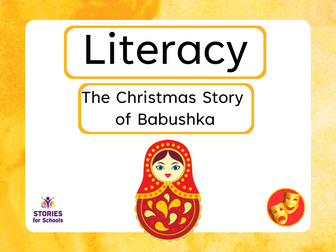
Christmas is a huge celebration acknowledged by most schools in the UK. This year, we have chosen three separate topics. KS2 will look at the story of Babushka.
The resource for each phase is a single lesson with a lesson plan, PPT and worksheet that will allow the children to learn a little more about the celebrations happening around Christmas time.
The PPT structures the lesson, and the worksheets. This is a fully resourced lesson leaving nothing to be done other than print.
Christmas is a huge celebration acknowledged by most schools in the UK. This year, we have chosen three separate topics.KS1 will look at the poem Twas The Night Before Christmas. The resource for each phase is a single lesson with a lesson plan, PPT and worksheet that will allow the children to learn a little more about the celebrations happening around Christmas time.
The PPT structures the lesson, and worksheets. This is a fully resourced lesson leaving nothing to be done other than print.
Easter Story curriculum-based resource pack for EYFS, KS1 & KS2, full of classroom activities for all year groups and an assembly story for the whole school.
Celebrate Easter by downloading our resources that teach the Easter story in an engaging way. We’ve catered for all three primary-aged key stages, and each key stage includes a complete lesson plan with clear objectives, PPT and multiple age-appropriate resources - all the planning and prep done for you! All lessons are linked to the national curriculum and outcomes are clearly demonstrated in the success criteria.
Children will show their understanding of the Easter story through a range of activities: sequencing the story, creating their own story board, retelling the Easter story as a narrative, writing a diary from the perspective of a character and creating a newspaper report.
The full resource pack features:
EYFS - Sequencing the Easter Story
Year 1 - Storyboard retelling the Easter Story using simple sentences
Year 2 - Storyboard retelling the Easter Story with more complex sentences
Year 3 - Understanding why Palm Sunday is important to Christians
Year 4 - Diary entry from a character perspective (Mary Magdalene)
Year 5 - Diary entry from a character perspective (Mary Magdalene)
Year 6 - Newspaper report about the Easter Story
Whole school assembly PowerPoint
Happy Easter,
Stories for Schools
Diwali is a huge Indian festival, and it is a perfect way to introduce children to different cultures and traditions other than their own. This resource is a single lesson with a lesson plan, PPT and worksheet to accompany a live event that will allow the children to learn and understand this Hindu celebration.
The PPT structures the lesson, and the worksheets complement the live event. This is a fully resourced lesson leaving nothing to be done other than print.
KS2 Literacy Learning Objective:
To research a given topic and create a fact file to show my knowledge and understanding.
KS2 Literacy Success Criteria:
I can use the internet to find relevant information about a given topic.
I can read the information and then write it in my own words.
I can discuss my findings.
The Gunpowder Plot is a significant event in British history. This resource is a single lesson with a lesson plan, PPT and worksheet to accompany a live event that will allow the children to learn about this moment in history and understand why we celebrate it annually on Bonfire Night.
The PPT structures the lesson, and the worksheets complement the live event. This is a fully resourced lesson leaving nothing to be done other than download and print.
KS1 History Learning Objective:
To show an understanding of events beyond living memory that are significant nationally or globally.
Enquiry: What is Bonfire Night and why do we celebrate it every year?
KS1 History Success Criteria:
I can explain why we celebrate Bonfire Night.
I can explain when Bonfire Night is.
I can explain how I will celebrate Bonfire Night.
This resource bundle is a unit of work linked to the ‘families and close, positive relationships’ objectives outlined in the PSHE programme of study. It has been created to celebrate diversity and the resource pack is complete with stories and resources that are age-appropriate to help educators cover complex discussions.
The units of work include unit planning, lesson presentations, tasks and worksheet activities. It is all done for you so there is no need for any preparation.
LKS2 5-week unit of work objectives:
To recognise and respect that there are different types of family structure and that families of all types can give love and security.
To understand that a feature of positive family life is caring relationships and about the different ways in which people care for one another.
To understand that people who love and care for each other can be in a committed relationship living together, but they may also live apart.
KS1 & UKS2 units of work also available.
This resource bundle is a unit of work linked to the ‘families and close, positive relationships’ objectives outlined in the PSHE programme of study. It has been created to celebrate diversity and the resource pack is complete with stories and resources that are age-appropriate to help educators cover complex discussions.
The units of work include unit planning, lesson presentations, tasks and worksheet activities. It is all done for you so there is no need for any preparation.
KS1 4-week unit of work objectives:
To understand that there are different types of families including those that may be different to their own.
To identify the people who love and care for them and what they do to help them feel cared for.
To identify the roles of different people and what role these different people play in our lives.
That it is important to tell someone if something about their family makes them unhappy or worried.
LKS2 & UKS2 units of work are also available.
This PRIDE lesson has been created to celebrate PRIDE and diversity complete with stories and resources that are age-appropriate and help educators to cover complex discussions.
A single lesson resource to help educators teach complex issues consisting of a lesson presentation, task worksheet and lesson plan.
KS1 single lesson objective:
To understand that there are different types of families including those that may be different to their own.
Our PRIDE lesson is also available for LKS2 and UKS2.
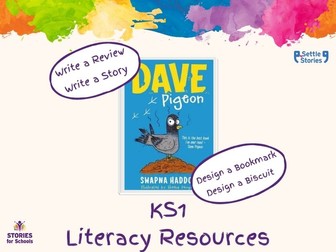
Download our KS1 lesson plans and worksheet resources linked to Swapna Haddow’s World Book Day selected story of Dave Pigeon. This pack includes a selection of single lesson resources to write a book review; plan and write a story or storyboard; write a set of instructions; design a bookmark and design a biscuit that Dave Pigeon could eat! You are also able to purchase the Dave Pigeon books from our very own bookshop - a great addition to any KS1 bookshelf. All lesson objectives are carefully linked to the various areas of the curriculum: literacy, art and design and design and technology.
**Learning Objectives: **
• To identify and explain the sequence of events in a text.
• To express an opinion about a story and explain your reasoning.
• To use sentences to create a short narrative text.
• To plan write a simple narrative based on their own experience.
• To show an understanding of instruction writing by creating my own.
• To use a range of materials creatively to design and make products.
• To design an appealing product for other users based on a design criteria.
This pack includes all the resources you need for each lesson and your lesson plan with clear set objectives.
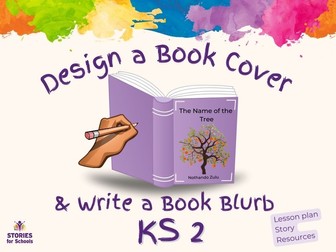
This is a variety of single lesson plans and worksheet resources linked to Nothando Zulu’s retelling of the African tale ‘The Name of the Tree’. It is pitched at KS2, and the children create a blurb and book cover for the story. All activities have clear objectives linked to the art and design and literacy national curriculum with clear outcomes identified in the success criteria.
Objectives:
Art and Design:
Book Cover
To improve my mastery of art and design techniques including drawing with a range of materials.
To edit my design to create a final design using a range of materials.
Writing:
Write a Blurb
To show an understanding of a specific writing genre to create my own version.
To edit and improve my writing.
Get your KS2 students creating their own book cover and writing their own book blurb.
This is a 2-week (10 lesson) complete literacy unit of work. No preparation of planning or lesson material is needed – it’s all there for you!
The diary writing unit links in with the Ribblehead Viaduct D&T lessons, but it can also be a stand-alone unit, or it can fit into a Victorian topic as the viaduct was part of Victorian engineering. This 10-lesson diary writing unit is complete with lesson plans, lesson presentations, model texts, success criteria and task activities that have been carefully sequenced and are in-line with the writing assessment framework for Year 6.
**Learning Objectives:
Literacy **
• To show an understanding of diary writing features.
• To show an understanding of a variety of sentence types by using them in my own writing.
• To plan my writing considering purpose and audience.
• To edit and improve my writing.
• To write a final draft of my diary entry.
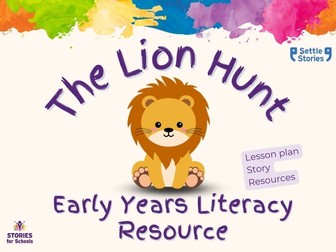
The Lion Hunt – story video, task worksheet, teaching aids and lesson plan. This is a short story set in Africa and told by our very own Sita Brand. You will receive a complete lesson plan, printable resources to inspire the children, photographs to aid teaching and a link to the recorded story of The Lion Hunt. The resources can be used as a main activity or to enhance the learning in your continuous provision. All lesson objectives are linked to the outcomes in relation to the early learning goals (ELG’s). e the natural world and demonstrate understanding of what has been read to them.
Learning Objectives
• Understanding the World: To know about similarities and differences in relation to places, objects materials and living things.
• Literacy: Demonstrate an understanding of what has been read.
• Physical Development (Fine Motor Skills): Use small tools such as scissors.
• The Natural World: Explore the natural world around them making observations and drawing pictures of animals.
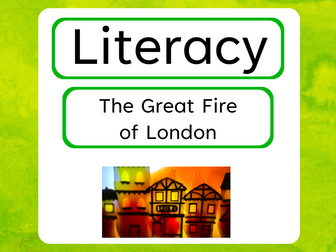
Our KS1 lesson resources are a fantastic starting point for the popular KS1 topic. This resource consists of a lesson plan, PPT and differentiated task worksheets.
This lesson looks at recalling and ordering the key events during the Great Fire of London.
The lesson is enquiry based and focuses on the chronology of the event using a timeline to sequence.
This is a single session for KS1 based around the meaning of Remembrance Day and why it is such a significant event. The resource pack consists of a clear, detailed lesson plan; a lesson presentation and a task resource. The objectives are clear and linked to the national curriculum. Children will learn the history of Remembrance Day including the significance of the poppy, WWI and why we hold a two-minute silence.
KS1 History Learning Objectives:
To find out about events beyond living memory that are significant nationally or globally.
Enquiry: What will I remember on Remembrance Day?
KS1 History Success Criteria:
I understand what a memory is.
I can explain why we celebrate Remembrance Day.
I can explain how I will remember those who are no longer with us.
This resource bundle is a unit of work linked to the ‘families and close, positive relationships’ objectives outlined in the PSHE programme of study. It has been created to celebrate diversity and the resource pack is complete with stories and resources that are age-appropriate to help educators cover complex discussions.
The units of work include unit planning, lesson presentations, tasks and worksheet activities. It is all done for you so there is no need for any preparation.
UKS2 5-week unit of work objectives:
To understand that people may be attracted to someone of the same gender or different gender to them.
To understand that marriage and civil partnership is a legal declaration of commitment made by two adults who love and care for each other which is intended to be lifelong.
To recognise if family relationships are making them feel unhappy or unsafe, and how to seek help or advice.
KS1 & LKS2 unit of work also available.
This PRIDE lesson has been created to celebrate PRIDE and diversity complete with stories and resources that are age-appropriate and help educators to cover complex discussions.
A single lesson resource to help educators teach complex issues consisting of a lesson presentation, task worksheet and lesson plan.
LKS2 single lesson objective:
To recognise and respect that there are different types of family structure and that families of all types can give family members love and security.
KS1 and UKS2 lessons also available.
This Upper Key Stage 2 Resource with Story
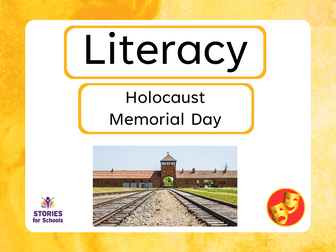
Holocaust Memorial Day is a time when we seek to learn the lessons of the past.
This is a single lesson with a lesson plan, PPT and worksheet that will allow the children to learn about a significant event in history. The lesson will help develop literacy skills and will enhance their understanding of what a concentration camp may have been like.
This is a fully resourced lesson leaving nothing to be done other than print.


 Quick View