KS3 & GCSE English Grammar: Sentence Structure, Clauses & Punctuation | Lesson & WorkbookQuick View
Sazzles14100

KS3 & GCSE English Grammar: Sentence Structure, Clauses & Punctuation | Lesson & Workbook

(0)
Make grammar practical and engaging with Backstage Edit: The Sentence Workshop. Students become editors, fixing writing “glitches” and improving sentences through activities based on live music, mobile phones and school rules. Suitable for KS3 and GCSE English Language, this pack includes a 32 slide PowerPoint with clear explanations, worked examples, interactive challenges and answers to key activities, plus a 10 page editable Word workbook with guided tasks, discussion prompts and writing activities. Skills covered include word classes, subjects and verbs, main and subordinate clauses, simple, compound and complex sentences, sentence boundaries, comma splices, conjunctions and precise vocabulary. Students hunt for word classes, investigate clauses, repair punctuation and compare sentence choices before planning, writing and editing their own article paragraph of 70 to 100 words. Suitable for classroom teaching, small groups, individual tuition and guided home education. Activities can be spread across several sessions. Please note: This is a guided lesson and practice pack. The separate independent assessment referenced in the slides and a full workbook answer booklet are not included.

The Woman in Black Complete GCSE UnitQuick View
Sazzles14100

The Woman in Black Complete GCSE Unit

(0)
A complete GCSE English Literature teaching unit for Susan Hill’s The Woman in Black. This engaging scheme of work develops analytical reading, essay writing, language analysis, Gothic conventions and exam skills through interactive lessons, professionally designed worksheets and homework activities. Perfect for GCSE English Literature, KS3 and intervention groups. Teach The Woman in Black with confidence using this complete, ready-to-teach resource pack. Designed to support GCSE English Literature while remaining accessible for KS3 learners, this unit gradually builds students’ confidence in analysing character, setting, Gothic conventions, language, structure and themes before culminating in a final assessment. Each lesson combines discussion, retrieval practice, analytical writing, collaborative activities and exam-style questions, allowing students to develop both their understanding of Susan Hill’s novel and the analytical skills needed for GCSE success. This complete teaching unit includes: Four fully resourced PowerPoint lessons Student worksheets for every lesson Homework activities Retrieval quizzes Guided reading tasks Exam-style questions Knowledge retrieval activities Vocabulary development Discussion tasks Independent writing activities Model analytical approaches Final assessment lesson Lesson sequence: This unit has been designed to be engaging, academically rigorous and classroom ready. Lessons move beyond simple comprehension to develop conceptual thinking, encouraging students to explore how Susan Hill presents fear, trauma, isolation and the supernatural through sophisticated language and structural choices. Alongside interactive PowerPoints, students receive a wide range of professionally presented worksheets, homework tasks and exam-style activities that make this an ideal resource for both experienced teachers and those delivering the text for the first time. Keywords: GCSE English Literature, The Woman in Black, Susan Hill, Gothic literature, Gothic conventions, Arthur Kipps, Eel Marsh House, language analysis, structure, themes, writer’s methods, GCSE revision, KS3 English, English teaching resources, complete scheme of work, exam preparation, analytical writing.
Analysing Tension and LanguageQuick View
Sazzles14100

Analysing Tension and Language

(0)
Engage students with the incredible true story of Aron Ralston through this fully interactive GCSE English lesson on language analysis, inference and structural techniques. Using an extract from Between a Rock and a Hard Place, students explore how writers create tension before applying their skills to GCSE-style analytical writing. Ideal for GCSE English Language, KS3 and intervention lessons. Bring the dramatic survival story behind 127 Hours into your English classroom with this engaging, discussion-based lesson designed to develop analytical reading skills while keeping students completely absorbed. Students begin by watching the 127 Hours trailer before considering what makes an effective survival strategy. They then explore an extract from Aron Ralston’s memoir, analysing how language and structure are used to create suspense as the accident unfolds. Throughout the lesson, students make predictions, infer meaning, evaluate decisions and produce their own GCSE-style analytical paragraph before finishing with an ethical debate about Ralston’s choices. Learning focuses: Language analysis Structural analysis Reading for inference Retrieval and interpretation Writer’s methods Tension and suspense Evidence-based discussion GCSE analytical writing (PEE) Critical thinking Evaluation skills This resource includes: Fully animated PowerPoint lesson Learning objectives Trailer starter activity Interactive discussion tasks Adventure equipment challenge Guided reading activities Language detective task Structure investigation GCSE-style PEE writing task Critical thinking questions Plenary and exit ticket Homework research activity Perfect for: GCSE English Language KS3 English Year 9–11 Functional Skills stretch activities Intervention groups Home education One-to-one tuition Cover lessons Mixed-ability classes Students investigate how Aron Ralston carefully builds tension through language choices, structural shifts and narrative perspective before applying these techniques to their own analytical writing. The lesson naturally develops the key reading and writing skills required for GCSE success while maintaining high levels of engagement through one of the world’s most remarkable true survival stories. Keywords: GCSE English Language, Aron Ralston, 127 Hours, language analysis, structure, inference, suspense, tension, writer’s methods, reading comprehension, PEE paragraphs, analytical writing, KS3 English, survival, non-fiction, memoir, GCSE resources.
Operation Last Chance: Survival missionQuick View
Sazzles14100

Operation Last Chance: Survival mission

(0)
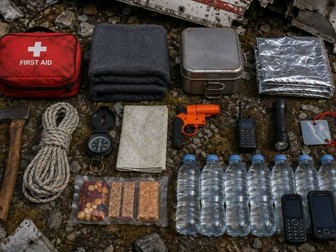
Operation Last Chance: Survival Mission, GCSE English Reading & Inference Challenge your students to become the leader of a survival mission in this fully immersive GCSE English reading lesson. Students analyse multiple sources, infer meaning, evaluate evidence and justify life-or-death decisions using a realistic aircraft crash survival scenario. Ideal for developing higher-order reading skills, critical thinking and evidence-based writing. This resource supports GCSE English Language, Functional Skills English and Key Stage 3 reading comprehension. Operation: Last Chance places students in command after an emergency aircraft crash deep within a remote mountain wilderness. As the group’s new leader, they must analyse a series of realistic evidence documents, assess risks, prioritise resources and produce a professional Survival Decision Log explaining exactly how they intend to keep everyone alive. Throughout the lesson, students must continually adapt their decisions as new information emerges, encouraging genuine analytical thinking rather than simple retrieval. Students will: • analyse multiple non-fiction source documents • retrieve explicit information • make supported inferences • synthesise evidence from several texts • evaluate risks and justify decisions • rank priorities under pressure • develop reasoning and discussion skills • write an evidence-based extended response • practise GCSE-style reading and writing skills within an engaging real-world scenario The resource includes: • Fully animated PowerPoint presentation • Mission briefing • Four professionally designed evidence documents • Environment report • Equipment inventory • Search and Rescue guidance • Threat assessment activities • Retrieval and inference questions • Decision-making tasks • Crisis update scenarios • Action sequencing challenge • Decision matrix • 300-word Survival Decision Log writing task • Reflection plenary Perfect for: • GCSE English Language • KS3 English • Functional Skills English • Reading comprehension • Inference and deduction • Critical thinking • Retrieval practice • Cover lessons • Intervention sessions • Home education • Small group tuition • Creative curriculum projects This lesson has been designed to feel like a real emergency command exercise, keeping students fully engaged while naturally developing the analytical reading and evaluative writing skills required for GCSE success. It works particularly well with reluctant learners, boys, mixed-ability groups and students who enjoy problem-solving, survival stories and real-life scenarios.