

 Quick View
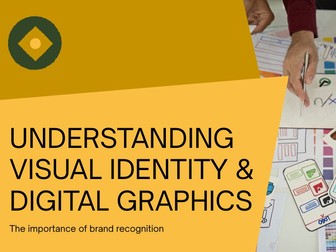
Understanding Visual Identity & Digital Graphics
Engaging lesson on visual identity & digital graphics covering branding, logos, colour psychology and typography with clear, student-friendly slides.
This visually engaging and accessible lesson introduces students to the core principles of visual identity and digital graphics, making it ideal for KS3/KS4 Creative Media, Business, or Design & Technology.
The resource explores how brands create strong identities and why visual consistency matters in today’s digital world. It is designed to build both understanding and critical thinking, with clear explanations and structured content that supports a full lesson or can be adapted into a unit.
What’s included:
Full presentation
Clear explanations of key terminology
Structured sections for easy delivery
Visually clean and student-friendly slides
Key learning areas covered:
What visual identity is and why it is important
Branding and its role in creating recognition
Logo design and brand recognition
Colour psychology and emotional impact
Typography and how it shapes perception
The importance of visual consistency across platforms
Core concepts explored:
The three main components of visual identity: logo, colour scheme, and typography
The four key characteristics of effective visual identity: consistency, relevance, distinctiveness, and adaptability
Why this resource works:
Simplifies complex design concepts into digestible content
Encourages students to analyse real-world branding
Ideal for both introduction lessons and revision
Professional, clean design that models good practice
Perfect for:
Creative Media / Digital Graphics courses
Business & Marketing units
Design & Technology lessons
Cover lessons or non-specialist delivery
This resource helps students understand not just what visual identity is, but why it matters in real-world contexts—building a strong foundation for further study in design and media.